
Livraison le jour même ou le lendemain

Qualité garantie

Débloquez vos offres de bienvenue: Livraison GRATUITE | Jusqu'à -80 % | 30 jours d'essai gratuits à JoyPlus
Téléchargez l'application
Dry hair, split ends, frizz, fading colour or visible roots: hair care products cater to a wide range of needs. Yet with all the promises printed on packaging, it’s not always easy to know what’s right for you. An oil doesn’t necessarily replace a mask, and a leave-in treatment can weigh down fine hair if you apply too much.
So before you buy, it’s best to start by defining what you’re looking for, then check a few practical details.
A treatment for dry hair can improve softness and comfort thanks to conditioning agents, oils or humectants. That doesn’t mean it repairs all the damage the hair fibre has suffered. Hair weakened by bleaching, heat or chemical treatments often needs a tailored routine: a gentle shampoo and conditioner, an occasional mask and a leave-in treatment on the lengths.
The phrase “hair repair” should be understood as a cosmetic improvement to appearance, softness or manageability. It cannot permanently rebuild already damaged hair.
“Natural”, “professional”, “instant” or “non-greasy” aren’t enough to tell two products apart. Instead, check the INCI list, the instructions for use, the volume and the recommended frequency of use. A formula containing silicones can help with detangling and smooth the hair’s surface. Conversely, a treatment rich in hydrolysed proteins may be less suitable for daily use on hair that’s already stiff.
For root touch-ups, the shade matters more than the quantity. A powder or spray that’s too dark can create a very visible line. For rinse-out treatments, compare the actual volume and the leave-on time. A small 25 ml mask is handy for testing a formula or travelling, whereas a 450 or 500 ml bottle is better suited to regular use.
Start by defining a single priority:
Fine hair often tolerates a mist, a light cream or a few drops of serum better. Thick, curly or very dry hair, on the other hand, may appreciate a richer mask. In any case, apply products mainly to the lengths and ends, unless the instructions say otherwise for the scalp.
A leave-in treatment should be applied gradually. Start with a small amount, spread it between your hands, then add more if needed.
Cosmetics sold in the European Union must follow precise labelling rules and list their ingredients as well as usage precautions. Check for a responsible person established in the European Union, the net content and the period after opening indicated on the packaging.
Avoid contact with eyes and stop using the product if irritation occurs. For a coloured powder, a scented treatment or a formula intended for the scalp, a patch test on a small area can help reduce the risk of a reaction. Root touch-up aerosols should also be used in a well-ventilated area and kept away from any heat source.
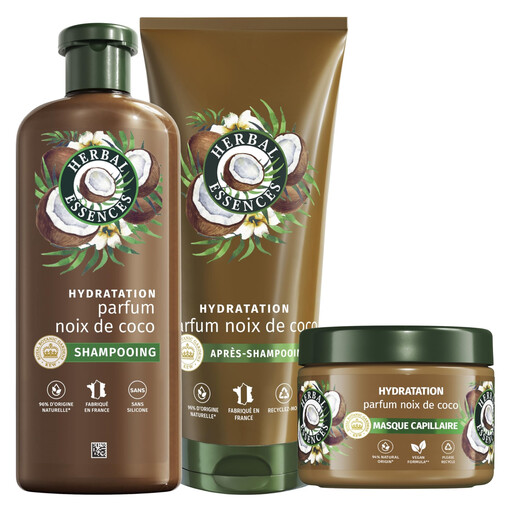
Why this choice suits this profile: This routine brings together a shampoo, a conditioner and a mask – three clearly defined steps to start caring for very dry hair.
The detailed contents and total 950 ml format make it easy to compare price against volume, without having to buy each product separately.
A coconut extract routine, with a mask that you leave on for 5 to 10 minutes and a formula described as vegan.
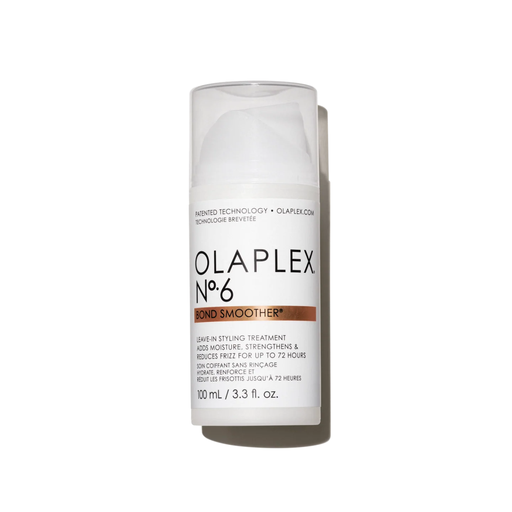
Why this choice suits this profile: This leave-in treatment is designed for those who want to tame their hair, perfect the finish and prep for heat styling in one step.
The dosage is given according to hair length: starting with half a dose helps avoid the heavy feel often associated with rich creams.
A 100 ml leave-in treatment, claimed to offer heat protection up to 232°C, which can be used on both damp and dry hair.
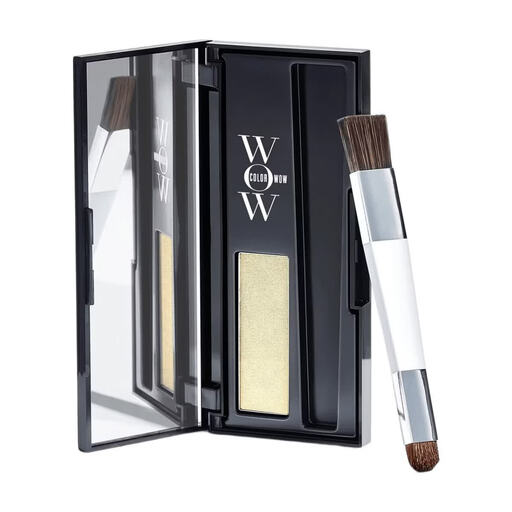
Why this choice suits this profile: This root powder is ideal for platinum or very light blonde hair when you need to temporarily disguise regrowth between colourings.
The dedicated shade reduces the risk of choosing a generic colour that’s too dark. The product is applied to dry hair and washes out with shampoo.
A compact case with a mirror and double-ended brush, plus a mineral formula claimed to be water-resistant.
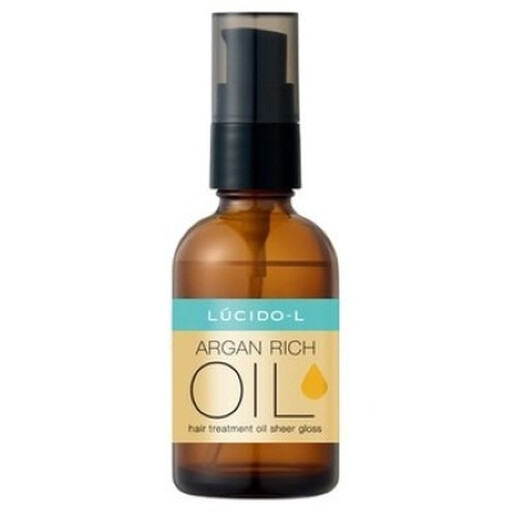
Why this choice suits this profile: With its 60 ml format, this oil is ideal for people who frequently use a hairdryer or styling tools and want a lightweight finish.
The texture is applied in small amounts to the lengths and ends; it can also be used for touch-ups on dry hair.
A leave-in oil with Abyssinian and argan oils, heat protection and a formula described as suitable for touch-ups on dry hair.
We’ve put together a comprehensive, real-time selection of products that meet these demanding criteria and European safety regulations.
Start with a suitable shampoo and conditioner, then add a hair mask once or twice a week. A serum or oil can complete the routine on the ends, especially if your hair is exposed to wind, heating or hot styling tools.
It depends on the formula, your hair’s porosity and the result you get after application. Follow the instructions and space out the uses if your hair becomes stiff or rough. You can then rebalance the routine with a hydrating treatment.
A root powder or spray is designed for a temporary effect, usually until your next shampoo, depending on the formula and conditions of use. Always apply the product to dry hair, choose a shade close to your colour and follow the precautions stated on the packaging.