
Livraison le jour même ou le lendemain

Qualité garantie

Débloquez vos offres de bienvenue: Livraison GRATUITE | Jusqu'à -80 % | 30 jours d'essai gratuits à JoyPlus
Téléchargez l'application
Finding the right hair care product can sometimes feel like an uphill battle. Between flashy marketing promises and endless ingredient lists, it's easy to feel lost and end up regretting a purchase. As the head of product selection at Joybuy, my mission is to guide you through this jungle. This guide breaks down the essential criteria for choosing a truly suitable treatment and presents our top product picks for every need.
But before we talk about solutions, let's identify the most common mistakes that lead to disappointment... and wasted money.
To make the right choice, two criteria are crucial: they define the true effectiveness of a treatment.
Your hair type dictates which ingredients to look for first. Learn to read the composition (the famous INCI list) to verify that the active ingredients truly meet your needs.
The type of treatment (rinse-out or leave-in) determines its mode of action and daily use.
Rather than an endless list, here are a few products that meet specific needs, selected according to the criteria we've just discussed.
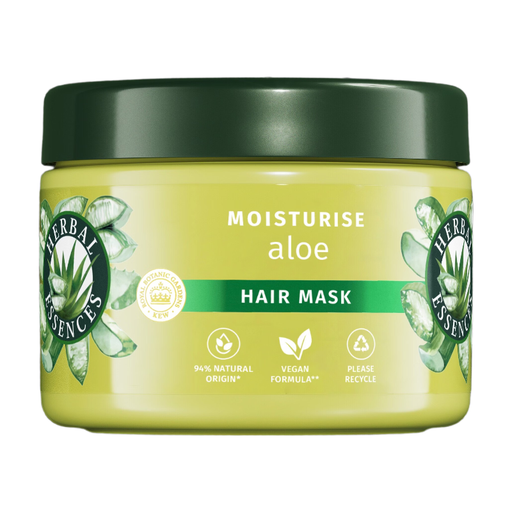
Why we recommend it: Perfect for those looking for an effective treatment for dry hair that can be used generously. Its generous 500 ml size offers excellent value for money, ideal for maintaining hair hydration without breaking the bank.
This mask doesn't promise miracles, but rather deep, lasting hydration thanks to simple, proven ingredients like aloe vera and coconut extract. It meets an essential need without any marketing fluff.
Its rich formula helps to nourish and soften hair, leaving it supple and easy to style. A reliable staple for a weekly routine.
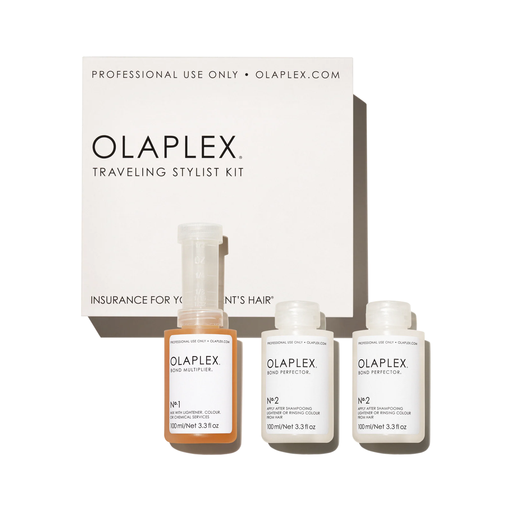
Why we recommend it: The solution for hair put to the test by colouring, bleaching, and other chemical treatments. This kit is for those seeking a technical, near-professional solution to rebuild the hair's internal structure.
It doesn't just mask the damage. Its patented technology tackles the root of the problem: the broken disulfide bonds within the hair fibre. Its action is structural, not purely cosmetic.
It contains the patented active ingredient Bis-Aminopropyl Diglycol Dimaleate, which reconnects broken hair bonds. Be aware, this was originally a professional-use product and should be handled with care.
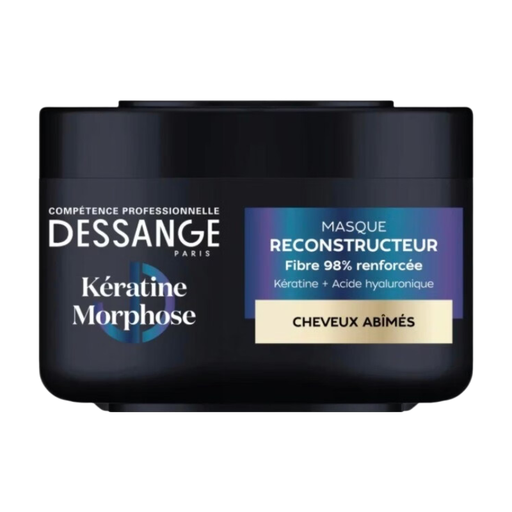
Why we recommend it: Ideal for hair damaged by heat from straighteners or repeated chemical treatments. It's formulated for those who need a targeted boost of keratin to rebuild the very substance of the hair.
It doesn't just ride the "keratin" trend. The formula cleverly combines it with hyaluronic acid, creating a synergy that rebuilds AND deeply hydrates, instead of just coating the hair's surface.
The combination of the vegetable keratin complex and hyaluronic acid offers a dual action: the fibre is strengthened from within while regaining softness and hydration.
We have put together a complete selection of products that meet our selection criteria and current regulations.
What's the difference between a mask and a conditioner? A conditioner acts quickly and on the surface: its main mission is to detangle the hair and seal the cuticles after washing for added shine. A mask, on the other hand, is a treatment that is much more concentrated in active ingredients. It requires a leave-in time (usually 3 to 10 minutes) for the ingredients to penetrate the core of the hair fibre and deliver an intense repairing or nourishing action.
How often should you use a treatment for damaged hair? The frequency depends on the condition of your hair and the product. For an intensive mask for damaged hair, once or twice a week is a good starting point. If your hair is very dry or fragile, you can even use it with every wash initially as an intensive course of treatment. A leave-in treatment can be applied daily to lengths and ends for continuous protection.
Are hair supplements really effective? A hair supplement can be an excellent support for improving hair health from the inside out. Formulas based on biotin (vitamin B8), zinc, and selenium contribute to the maintenance of normal hair. Be aware, they do not replace a healthy, balanced diet, nor an anti-hair loss treatment prescribed by a dermatologist for a diagnosed condition. Instead, they serve as a complement to a good overall hair care routine.