
Livraison le jour même ou le lendemain

Qualité garantie

Débloquez vos offres de bienvenue: Livraison GRATUITE | Jusqu'à -80 % | 30 jours d'essai gratuits à JoyPlus
Téléchargez l'application
Dry hair, split ends, rough strands after bleaching, or breakage caused by heat styling tools: hair care for damaged hair doesn't all address the same issue. A repairing shampoo cleanses the scalp while preparing the hair fibre, whereas a repairing hair mask works more intensively on the lengths. A conditioner, on the other hand, makes detangling easier and reduces daily friction.
The main risk? Choosing a formula that's too rich, too stripping, or poorly suited to your hair's fineness. Here are the criteria to consider before buying a professional hair treatment or putting together a home routine.
A formula can make hair feel softer or shinier from the very first use, thanks to conditioning agents, oils, or silicones. This effect makes styling easier, but it doesn't necessarily mean the fibre has been repaired deep down. So check the product's actual function: detangling, hydration, protection, reducing breakage, or preparation before a technical service.
Butters, oils, and film-forming agents can work well for thick, porous, or very dry hair. On fine strands, however, they risk flattening the hair and leaving a residue feel. A conditioner for damaged hair designed for fine hair should favour a lightweight texture, applied only to the mid-lengths and ends.
Claims like "less breakage" or "stronger hair" should be taken with a pinch of salt. They can vary depending on the protocol used, the frequency of application, and the product the formula is compared against. When a brand quotes numerical results, treat them as data provided by the brand, not as a guarantee that applies to everyone.
The INCI list helps you identify care agents, but it isn't enough to predict the result on your hair. The position of an ingredient in the list, the texture, and the method of application also matter. For regular use, a bottle of 250 to 300 ml is generally suitable for a personal routine. A 50 to 100 ml size is handy for testing a formula or taking it on the go.
A conditioner is typically used for one to three minutes, whereas a repairing hair mask may need around ten minutes. Leaving a product on for longer than recommended doesn't guarantee better results and can weigh down some hair types. Apply treatments mainly to the mid-lengths and ends, unless instructed otherwise.
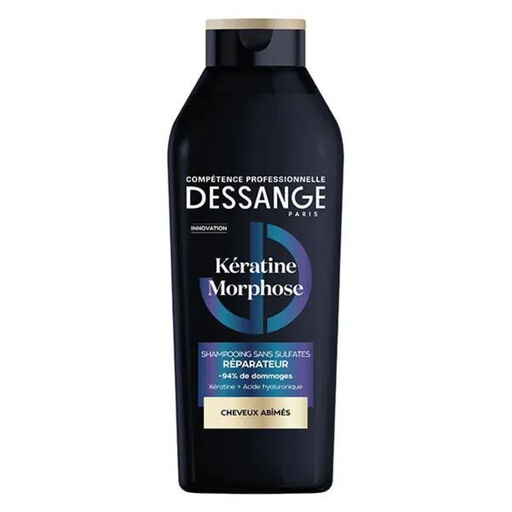
Why this choice suits this profile: This shampoo offers a simple first step for a routine dedicated to damaged, dry, or coloured hair, with a standard in-shower use.
The description presents it as the first step of a protocol and mentions a formula with no added sulphates. However, always check the packaging before use.
The listed ingredients include hyaluronic acid and hydrolysed plant proteins; the bottle contains 280 ml.
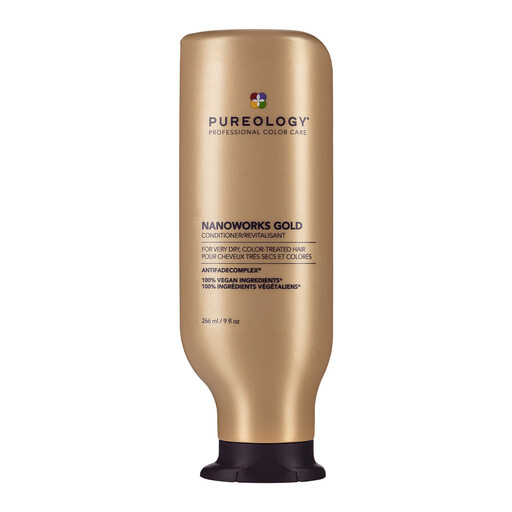
Why this choice suits this profile: Its creamy texture and positioning for dry, dull, or coloured hair fit well into a more complete, sensory routine.
The recommendation suggests a small amount and targeted application, which helps avoid weighing down the roots.
The ingredients include shea butter and marula oil; the formula is stated to be sulphate-free and suitable for coloured hair.
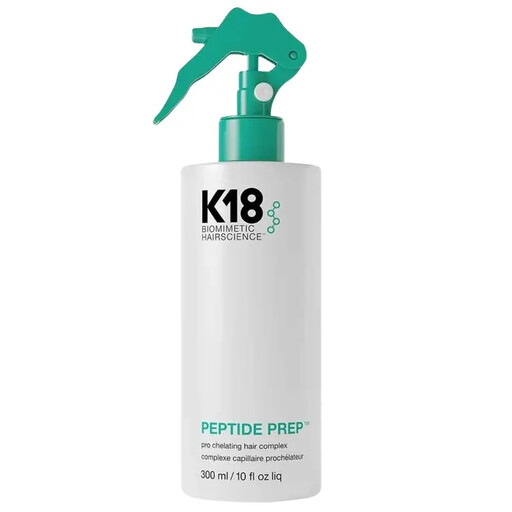
Why this choice suits this profile: This treatment is particularly aimed at those exposed to hard water, as well as professionals preparing hair before a technical service.
It clearly targets mineral and metal deposits, rather than presenting itself as a simple all-purpose hydrating mask.
The product page presents a ready-to-use formula and indicates a leave-in time of four minutes before rinsing.
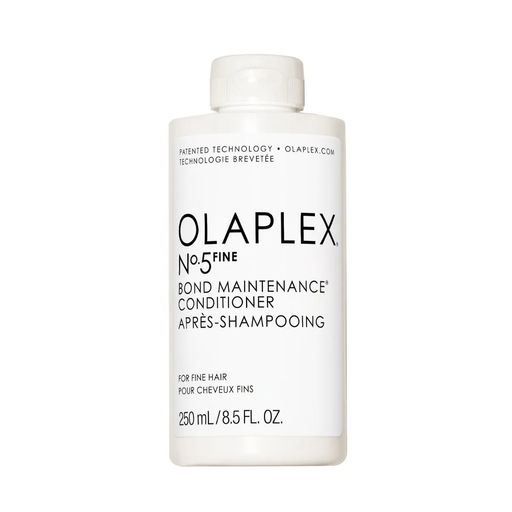
Why this choice suits this profile: The product page states it is designed for fine hair and notes its lightweight texture. A great option for caring for your hair without losing its bounce or volume.
Targeted application to the mid-lengths and ends, with a leave-in time of one to three minutes, limits excess product.
250 ml format; the brand states the formula is vegan and not tested on animals.
We've put together a comprehensive, real-time updated selection of products that meet these exacting criteria as well as European safety standards.
Start with a repairing shampoo suited to how often you wash your hair. Then use a conditioner every time you wash if your hair tends to tangle. Replace it with a mask once a week when the lengths are particularly dry or brittle. Finally, apply a leave-in treatment to towel-dried hair if you regularly use a hairdryer, straighteners, or curling tongs.
To limit breakage, consistency matters more than piling on products. A routine made up of two or three coherent steps is generally easier to stick to than a succession of formulas with similar functions.
Choose a gentle shampoo paired with a conditioner for damaged hair or a nourishing mask. A formula designed for coloured hair can meet your detangling and cosmetic protection needs. Also consider lowering the temperature of your heat styling tools and spacing out washes when possible.
It all depends on your hair's starting condition, how often you wash it, and your styling habits. Judge the progress mainly by how easy it is to detangle, the softness, and the look of the ends after several uses. If your scalp becomes irritated, stop using the product immediately and rinse thoroughly.
A hair treatment enriched with keratin can be considered, but the texture remains key. On fine hair, apply a small amount to the lengths and avoid the roots. Always check the ingredients list and the recommendations on the packaging: formulas and usage instructions can vary.