
Livraison le jour même ou le lendemain

Qualité garantie

Débloquez vos offres de bienvenue: Livraison GRATUITE | Jusqu'à -80 % | 30 jours d'essai gratuits à JoyPlus
Téléchargez l'application
Dry hair, split ends, lacklustre curls or hair weakened by colouring : hair care for damaged hair addresses many different needs. With so many marketing claims to consider, it is not always easy to know what to choose. A rich formula is not necessarily suitable for fine hair, while a leave-in treatment does not always replace a repairing hair mask.
Here are the criteria to consider before buying, along with a selection of products suited to several user profiles in France.
A hair oil or serum containing film-forming ingredients can smooth the surface of the hair fibre and give it a shiny appearance from the very first application. This finish does not necessarily mean that the hair has been genuinely strengthened. To avoid disappointment, check the intended use : pre-shampoo, post-wash treatment, heat protection or finishing.
Fine, low-density hair or hair that becomes greasy quickly can lose its volume when exposed to excessive amounts of oils, butters or silicones. By contrast, curly, coily and very dry hair often needs a more nourishing texture. The amount you use therefore matters just as much as the formula.
Fragrance, essential oils and certain preservatives may not be suitable for sensitive scalps. Check the INCI list on the packaging, particularly if you have experienced a reaction before. You may wish to test the product on a small area of skin before using it for the first time. If irritation, redness or itching occurs, stop using the product and seek advice from a healthcare professional.
Dry and damaged hair needs a balance of hydration, nourishment and surface protection. Glycerine, aloe vera and certain humectants are generally associated with hydration. Plant oils such as avocado, argan and camellia oil are mainly sought after for their nourishing and softening properties.
Porous hair, particularly after bleaching or chemical treatment, may benefit from a nourishing conditioner and a leave-in treatment applied to the lengths.
A repairing hair mask is generally used once or twice a week, while conditioner is easier to incorporate into every wash. Always check the recommended leave-on time and whether the product needs to be rinsed out.
For a simple routine, you could include :
Coloured hair may need a gentle routine to help limit dryness. Curly or coily hair often needs greater softness and definition : hydration for curly hair comes from targeted application, without overloading the roots. If you live in a hard-water area, a detox hair treatment or suitable scalp treatment can complement your routine. Anyone who uses a hairdryer or straighteners should also look for clearly stated heat protection for hair on the label.
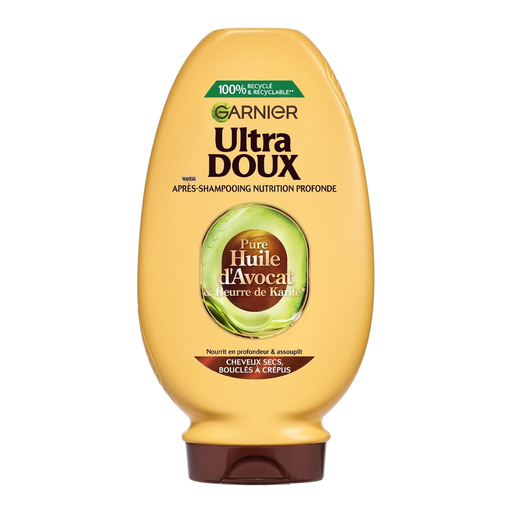
Why this choice suits this profile : Its 250 ml size and post-shampoo application make it easy to start a routine without building up a collection of products. Designed for curly to coily hair, it contains avocado oil and shea butter.
It is applied only to the lengths and ends, helping to prevent the roots from becoming weighed down.
Detangling, nourishment and easy rinsing after leaving it on for a few minutes.
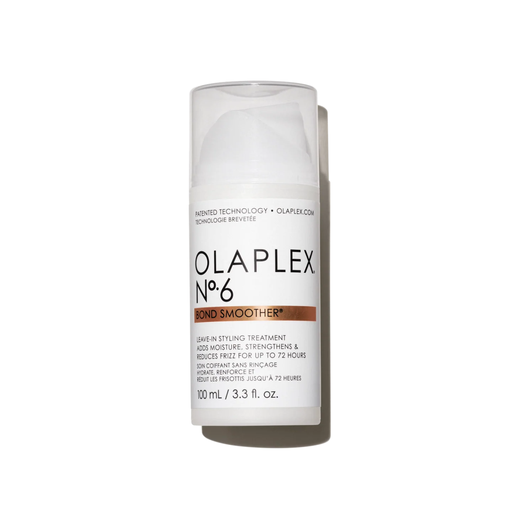
Why this choice suits this profile : This 100 ml leave-in cream is suitable for hair that needs a smoothing finish before styling. The brand claims heat protection of up to 232 °C.
The recommended amount varies according to the length and thickness of your hair, reducing the risk of applying too much.
Compact size, leave-in application and stated heat protection.
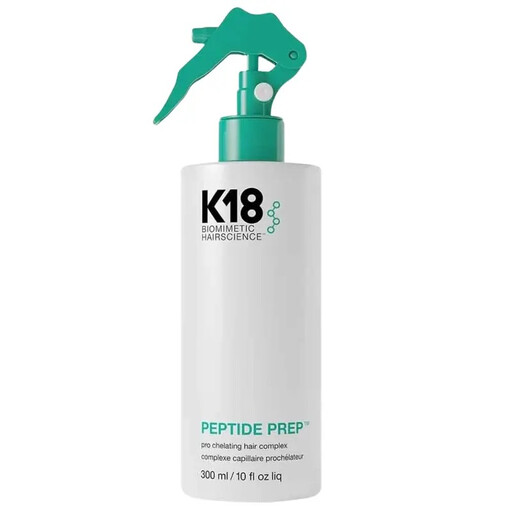
Why this choice suits this profile : With its 300 ml size and stated four-minute leave-on time, this treatment is suitable for routines affected by hard-water deposits, particularly before a technical salon treatment.
It targets a specific issue — mineral and metal deposits — rather than replacing a conventional nourishing treatment.
Targeted application, short leave-on time and a format suited to regular or professional use.
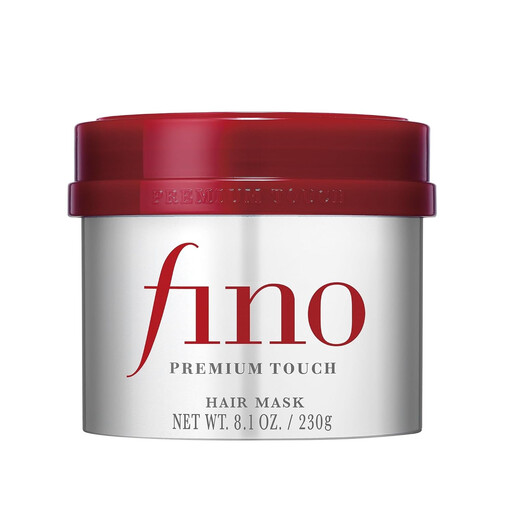
Why this choice suits this profile : Leave this 230 g mask on clean, damp hair for around five to ten minutes. It fits easily into a weekly routine for dry or weakened lengths.
Using it once or twice a week avoids treating every wash with a very rich formula.
Clearly stated leave-on time, with hydrolysed proteins, oils and conditioning agents.
We have put together a complete, real-time updated list of products that fully meet these strict selection criteria and European safety regulations.
Start with a single product that addresses your main concern. For coloured or chemically treated hair, pair a gentle shampoo with a nourishing conditioner. Then add a repairing hair mask if the lengths still feel rough.
Apply a hair oil in a small amount, mainly to the ends. An anti-frizz treatment or leave-in cream may be more practical for coily hair, particularly before drying. Avoid applying several rich products at the same time : gradually adjust your routine according to how your hair feels, its volume and how easy it is to style.
Choose a simple routine : a suitable shampoo, detangling conditioner and a mask once or twice a week. Add an oil or leave-in treatment to the ends if they still feel rough. Consistency and the amount used are essential to prevent your hair from feeling weighed down.
Look at how your hair changes after several washes rather than after a single application. Follow the best-before date or period of use stated on the packaging, store products away from heat and close bottles properly. A change in smell, texture or colour may be a reason to stop using the product.
Curly and coily hair may benefit from a hydrating formula combined with a nourishing product, applied mainly to the lengths. A spray or lightweight leave-in treatment can help revive definition between washes, without replacing washing and treatments suitable for the scalp.