
Livraison le jour même ou le lendemain

Qualité garantie

Débloquez vos offres de bienvenue: Livraison GRATUITE | Jusqu'à -80 % | 30 jours d'essai gratuits à JoyPlus
Téléchargez l'application
Replacing a halogen bulb with an H7 LED bulb for your car is a great way to upgrade your dipped beam, main beam or certain fog lights. But promises of power, universal compatibility and instant installation aren't enough to guarantee a reliable choice.
To avoid nasty surprises, start with three checks: the bulb base type, the space available inside the headlight housing, and whether the bulb is approved for use on public roads. Here are the criteria to examine before buying an H7 LED bulb kit.
Product listings sometimes claim 20,000 lumens, 25,000 lumens or even more for a pair. However, this figure alone isn't enough to judge the beam quality on your car. The position of the LED chips, the reflector geometry and the headlight adjustment all directly affect how the light is distributed.
An LED bulb advertised at 20,000 lumens can therefore produce very different results from one vehicle to another. Look for a 1:1 design, which is intended to replicate the position of the halogen filament, along with a clean, correctly aimed beam.
A plug-and-play LED bulb usually connects to the original connector without any wiring modifications. However, some vehicles monitor electrical consumption and may show an error, cause flickering or cut the lighting altogether.
The mention of CANbus indicates a built-in feature or design intended to reduce these issues. It doesn't guarantee compatibility with every model. Volkswagen, Mercedes-Benz, BMW and certain newer cars may still require an additional decoder.
LEDs often consume less power than a halogen bulb, but their chips still generate heat. An integrated fan, an aluminium heatsink or a heat-pipe system helps to dissipate it.
Before ordering, check the depth available behind the headlight. A fan that's too bulky can prevent the dust cover from being refitted. A compact 1:1 LED bulb generally makes installation much simpler.
The H7 marking must match the one shown in your vehicle's manual or printed on the original bulb. An H7 is not interchangeable with an H4, H11, H1, H8, H9, 9005 or 9006, even if some products list multiple formats in their title.
Also check the intended use: dipped beam, main beam or LED bulb for fog lights. A bulb designed for a fog light isn't automatically suitable for a main headlight.
A 6000 K LED car bulb, or a cool white headlight bulb, produces a white light with a slightly blue tint. This shade can appear sharper than the yellow of a halogen, but it won't compensate for a poorly adjusted headlight.
Temperatures around 6000 K should be distinguished from 6500 K: the difference is modest, but the perceived tint can vary. For everyday use, choose a colour and intensity that suit your headlight optics, rather than simply chasing the brightest white.
An IP68 certification from the manufacturer indicates enhanced resistance to dust and water under specific conditions. It doesn't replace the need to check the condition of the headlight housing seal and the rear cover.
The models shown below include a fan, an aluminium casing and a claimed lifespan of up to 50,000 hours. However, this figure is still theoretical: it depends on temperature, voltage, usage cycle and real-world conditions.
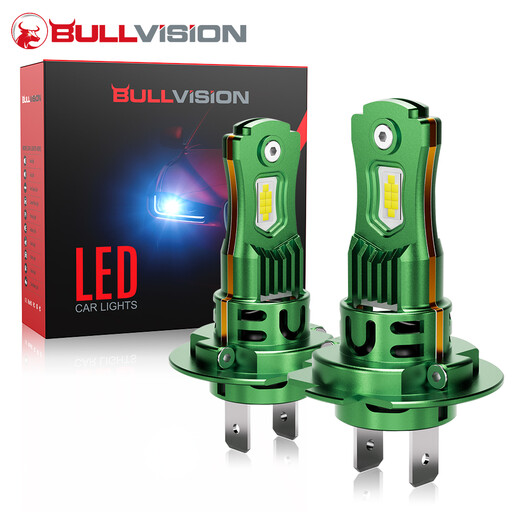
Why this choice suits this profile: This pack of two bulbs features a design claimed to match the original bulb, a 6000 K colour temperature and tool-free installation when your vehicle is compatible.
The 1:1 design and built-in driver keep modifications to a minimum, while the listing mentions CANbus compatibility. A decoder may still be needed on some vehicles.
6000 K, claimed IP68 rating, integrated fan running at 3000 rpm and a pack of two bulbs.
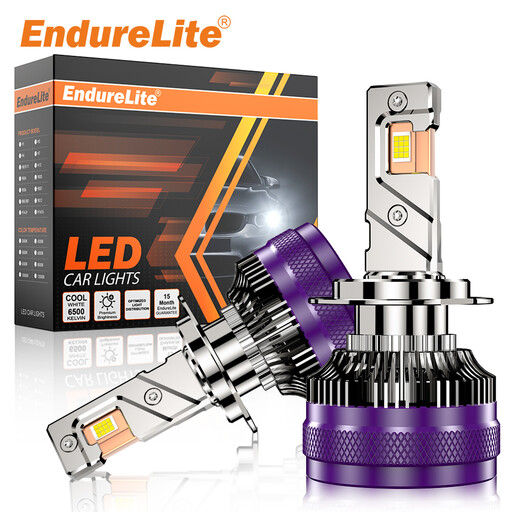
Why this choice suits this profile: This model is aimed at drivers who want a cool white 6000 K light, a compact design and an integrated cooling system for regular use.
The claimed 1:1 design helps retain the original dust cover. Real-world compatibility should still be checked against your vehicle and headlight type.
Claimed output of 25,000 lumens per pair, integrated fan, claimed IP68 protection and claimed lifespan of 50,000 hours.
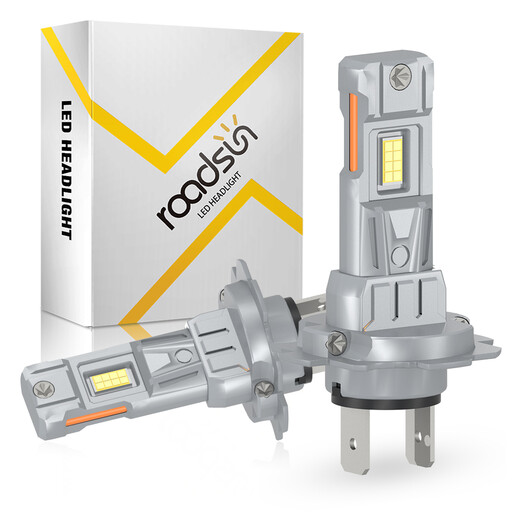
Why this choice suits this profile: This model targets owners of motorbikes, SUVs, vans, UTVs and ATVs who drive in dusty or wet environments.
The mini 1:1 design and claimed tool-free installation reduce the risk of space issues. However, check the light marking and whether it's approved for road use.
6000 K, claimed resistance to water, dust and vibration, with possible use as a fog light depending on your vehicle.
Before buying, consult your vehicle's manual and check the applicable approval markings. A bulb intended for off-road use or a fog light cannot automatically be considered approved for all lights used on public roads. After installation, keep an eye on the dashboard for any error messages, flickering and any risk of dazzling other drivers.
We've put together a comprehensive, real-time updated list of products that fully meet these strict selection criteria and European safety regulations.
No. Start by confirming the H7 base, the space behind the headlight, your vehicle's voltage and electronic compatibility. A CANbus design can help reduce alerts, but some models still require a decoder.
The specifications of several models claim up to 50,000 hours, or even more for some references. This is a manufacturer's estimate, which depends on heat, vibration and the quality of the electrical circuit. Properly ventilated cooling therefore remains an essential criterion.
Power consumption depends on the actual wattage of the model. LEDs can offer better efficiency than halogens, but always compare the stated wattage for the pair and for each individual bulb. Don't choose based solely on the number of lumens or the colour temperature.