
Livraison le jour même ou le lendemain

Qualité garantie

Débloquez vos offres de bienvenue: Livraison GRATUITE | Jusqu'à -80 % | 30 jours d'essai gratuits à JoyPlus
Téléchargez l'application
The right gym leggings can make or break a workout. The problem? The market is flooded with models whose marketing promises often fall flat after just a few uses. A waistband that rolls down, fabric that goes sheer at the first squat, a "shaping" effect that cuts off circulation... these disappointments are all too common. This guide is here to arm you: we'll break down the criteria that truly matter so you can make an informed choice, perfectly suited to your sport and your body.
Before you even start comparing models, let's learn to spot the red flags—the design flaws that condemn a pair of leggings to the back of your closet.
To avoid these traps, you just need to focus on a few technical points. These are the details that separate a "second-skin" legging you forget you're wearing from a purchase you bitterly regret.
The choice of fabric is crucial for comfort, durability, and performance. Here are the most common materials and their properties:
All good support starts with the waistband. The holy grail? A high-waisted legging with a wide, flat band. This design distributes pressure evenly, preventing the leggings from rolling or slipping. The best waistbands even incorporate a specific construction for a tummy-control effect that supports without ever constricting.
Be aware, compression leggings are not just tight-fitting garments. They apply graduated, targeted pressure on muscle groups to boost blood circulation, reduce impact vibrations, and potentially speed up recovery.
Because every athlete is unique, here is our selection of models that excel in their category, all validated against our strict quality and functionality criteria.
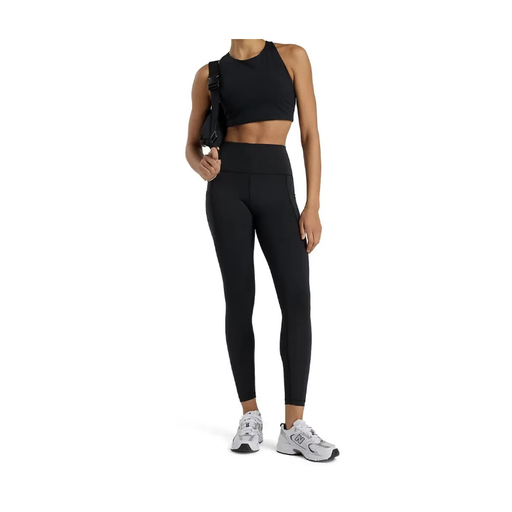
Ideal for: Those who move between the gym and their active life. Its versatility makes it a perfect ally for fitness, yoga, or simply a comfortable day out.
Its high waist and wide waistband are specifically designed to stay put, solving the #1 problem of slipping leggings. The polyamide (80%) and elastane (20%) blend guarantees squat-proof opacity and a secure fit.
Practicality above all. These are sports leggings with pockets, essential for keeping your phone or keys secure, whether at the gym or on the go.
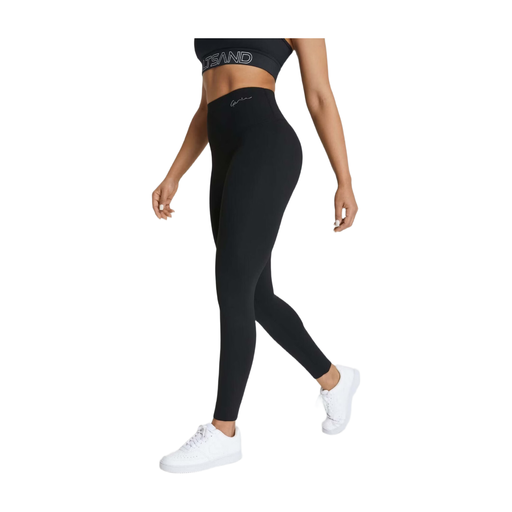
Ideal for: Demanding athletes seeking optimal muscle support and a sculpting effect during intense sessions (cross-training, weightlifting).
It doesn't just promise, it delivers. Its secret: a technical, double-sided construction that ensures structured and effective compression, a far cry from the discomfort of leggings that are just "too tight."
A true women's compression legging that combines targeted support, a functional sculpting effect, and an anti-slip waistband for an impeccable hold.
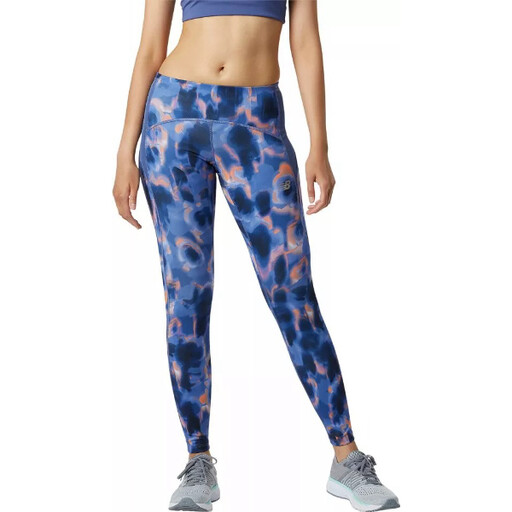
Ideal for: Running enthusiasts who need technical gear that combines comfort and performance, even over long distances.
Its NB DRY technology manages moisture perfectly to keep you dry, banishing the unpleasant feeling of sweat-soaked fabric. The fitted cut follows the body's movements without ever slipping.
A technical, sweat-wicking running tight with a killer detail: ankle zips for easy on and off, even over shoes.
We have compiled a complete and up-to-date selection of products that meet our demanding specifications and current safety standards.
Although often used interchangeably, running tights are generally more technical. They focus on compression, sweat-wicking, and include specific details like reflective elements or zippered pockets. Gym leggings, on the other hand, are often more versatile, prioritising comfort and style for activities like fitness, yoga, or even everyday wear (athleisure).
To preserve their elasticity and technical properties, the golden rule is simple: wash inside out, in cold water (30°C / 86°F maximum), and with similar colours. Avoid fabric softener, which clogs the fibres and destroys the fabric's breathable capabilities. Finally, always air dry: the heat from a tumble dryer is the mortal enemy of elastane.
Not necessarily. High-compression leggings are a powerful ally for high-impact sports (running, HIIT), but they can be too restrictive for disciplines that require maximum freedom of movement, like yoga or Pilates. For these practices, light compression or a simple supportive legging will be much more comfortable and suitable.