If protein is your top priority, compare the amount per 100 g. Among the products listed by Auchan and E.Leclerc, roasted pumpkin seeds and almonds with no added salt contain more protein than a mix of nuts and sweetened dried fruit. When choosing a pack to put in your gym bag, also check the ingredients, sugars, salt, allergens and how much you plan to take with you. Protein content alone won’t tell you whether a snack—or a meal—is right for you overall.
Who are these options for?
People comparing plant-based protein
You’re looking for a dry snack that’s easy to carry and are comparing options such as oilseeds and almonds. Anses lists oilseeds among plant-based sources of protein, but check the values for the specific product rather than relying on the category name alone.
People who prefer a recipe with no added salt
You want a pack that’s ready to take with you, but would rather check the ingredients than choose a seasoned snack made for sharing. For nuts, Manger Bouger recommends a small handful of unsalted nuts.
People drawn to fruity mixes
You enjoy the combination of nuts and dried fruit, but want to compare the sugars, protein and allergens in the specific mix before taking it with you.
What should you look for first?
To choose between seeds, almonds and mixes for your gym bag, start with what matters most to you. Then compare the information per 100 g with the amount you plan to take.
| What to consider | What to check | Who it matters to |
|---|
| Protein |
Compare the protein per 100 g, then check the energy and fat content. |
If I’m mainly looking for a snack with more protein, I compare the labels on seeds and nuts. Around 40% of consumers put protein content first when choosing. |
| No added salt |
Read the ingredients and the ‘salt’ line. ‘Roasted’ doesn’t mean ‘no added salt’. |
For a snack to take with me, I prefer an unseasoned recipe to a salty product made for sharing. Around 30% of consumers are said to prioritise this. |
| Fruity mix |
Check what kind of dried fruit it contains, then compare the sugars and protein per 100 g. |
I like the variety in a mix, but want to know how much sweetened dried fruit it contains before choosing it for its protein. Around 20% of consumers are said to make this balance their main consideration. |
| Allergens and traces |
Check the allergens and any ‘may contain’ statements on the specific pack. |
If I need to avoid an ingredient or consider possible traces, the contents of the pack matter more than its other features. For around 10% of consumers, this compatibility is said to be the priority. |
Common pitfalls to avoid
-
Assuming all ‘dried fruit and nuts’ make the same kind of high-protein snack
Recipes vary. The TOKAPI mix listed by E.Leclerc contains 11.4 g of protein and 35.7 g of sugars per 100 g, while the DACO BELLO roasted pumpkin seeds listed by Auchan contain 35 g of protein per 100 g.
Compare the ingredients, protein and sugars in the specific pack. A fruity mix can be a good choice when you fancy some variety, but it won’t serve the same purpose as a pack of seeds.
-
Assuming a roasted product has no added salt
Cooking and seasoning are two different things: the word ‘roasted’ doesn’t tell you how much salt a product contains.
If you’re looking for a recipe with no added salt, check for that claim, read the ingredients list and look at the salt content on the label.
-
Looking only at the protein content
How much you take with you matters too. The product listings from Auchan and E.Leclerc give 587 kcal per 100 g for DACO BELLO pumpkin seeds and 629 kcal per 100 g for COULEURS VIVES almonds, respectively.
Compare protein, energy and fat together, then choose how much to put in your bag instead of treating the large pack as a portion.
-
Relying on the brand for allergen information
The almond listings checked at Monoprix identify almonds as an allergen, and some products mention possible traces. Ingredients can vary from one product to another.
If allergens are a concern, read the ingredients and any ‘may contain’ statements on the pack you’re going to eat—even if you already know the brand.
Retailers to compare
These details apply to the specific products named below, not to each retailer’s full range.
Auchan
A product listing to check if you’re comparing the protein content of roasted pumpkin seeds.
- According to Auchan, the 125 g DACO BELLO product listing gives 35 g of protein and 0 g of salt per 100 g.
- These figures apply to this specific recipe. Check the label of any other product.
E.Leclerc
Two recipes to compare: almonds with no added salt and a mix containing dried fruit.
- According to E.Leclerc, COULEURS VIVES roasted almonds contain 27.4 g of protein per 100 g.
- The TOKAPI mix contains 11.4 g of protein and 35.7 g of sugars per 100 g. Don’t assume the almond figures apply to this mix.
Monoprix
Unsalted almond listings to check if you’re looking for an almond-based snack.
- Monoprix lists 26 g of protein per 100 g for unroasted Vico almonds and 23 g per 100 g for Maître Prunille roasted almonds with no salt.
- The listings identify almonds as an allergen. Also check for any trace warnings on the pack you choose.
Carrefour
The Seeberger listing identifies a 150 g pack of unsalted roasted almonds.
- Carrefour lists almonds as an ingredient and an allergen in this product.
- To compare its protein content, check the full nutritional information on the product you choose.
Joybuy picks for your gym bag
These packs of pumpkin seeds, cashews and peanuts are best compared by their ingredients, pack size and any allergen precautions you may need to take.
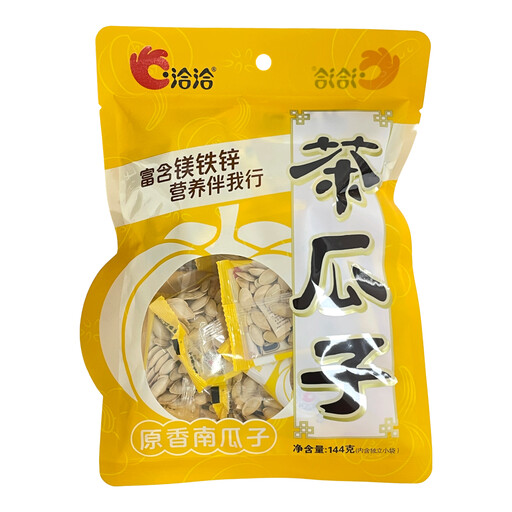 Image unavailable
ChaCha Original, roasted pumpkin seeds 144 g
Worth considering if you’re looking for seeds to take with you and want to compare the protein per 100 g. The recipe includes salt and green tea, so it isn’t a no-added-salt option. If allergens or traces are a concern, check the information on the packaging.
View on Joybuy
 Image unavailable
BENENUTS, cashews with no added salt 130 g
A resealable pack to consider if no added salt is your top priority. The recipe also includes sunflower oil. Cashews are an allergen, and the product may contain traces of peanuts or other nuts—something to bear in mind if allergens are a concern.
View on Joybuy
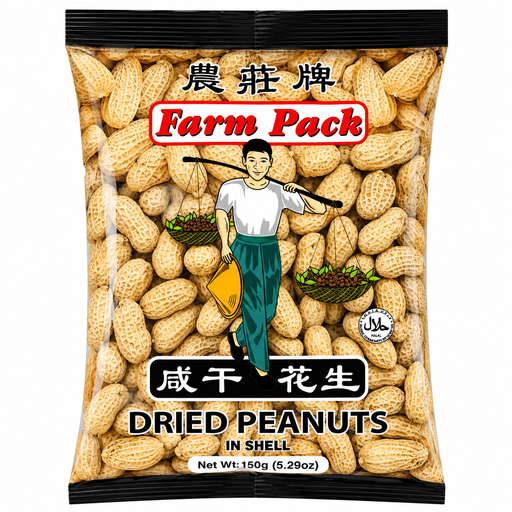 Image unavailable
Farm Pack, dried peanuts 300 g
Worth considering if you want to take peanuts in their shells with you and compare their protein content. The recipe contains salt and sugar, and peanuts are a declared allergen. Also bear the shells in mind when packing them in your gym bag.
View on Joybuy
Frequently asked questions
Pumpkin seeds or almonds: which should I compare for protein?
Compare the figures per 100 g on the specific packs. The Auchan listing for DACO BELLO pumpkin seeds gives 35 g of protein per 100 g, while the listings for unsalted almonds mentioned by E.Leclerc and Monoprix give 27.4 g and 26 g per 100 g, respectively. These figures don’t represent every product in these categories.
Does a mix of dried fruit and nuts provide as much protein?
Not necessarily—it depends on what’s in the mix. The TOKAPI mix listed by E.Leclerc contains 11.4 g of protein and 35.7 g of sugars per 100 g. Check the ingredients and nutritional values before comparing it with a pack of seeds or almonds.
What should I check on pre-packed food in France?
Check the ingredients, allergens and nutritional information for the specific product. The DGCCRF states that nutrition information is given per 100 g or 100 ml, and allergenic ingredients must be highlighted in the ingredients list.
How should I store almonds in a gym bag?
Follow the storage instructions on the pack you choose. The almond listings checked at Monoprix recommend keeping them away from heat and moisture. For the Maître Prunille product, the instructions also say to reseal the pack after opening and consume it within 15 days.


