
Livraison le jour même ou le lendemain

Qualité garantie

Débloquez vos offres de bienvenue: Livraison GRATUITE | Jusqu'à -80 % | 30 jours d'essai gratuits à JoyPlus
Téléchargez l'application
Bloating after meals, irregular digestion, or struggling to get enough fibre: gut health supplements can address a wide range of needs. However, choosing between probiotics, prebiotics and digestive enzymes isn’t about picking the formula with the highest number on the label.
Here are the key factors to consider before buying, along with a selection of vegan, gluten-free options that are easy to fit into your daily routine.
A supplement boasting several billion CFU — ‘colony-forming units’ — might look impressive. But that figure alone doesn’t tell you whether the formula actually meets your needs. Also check the probiotic strains, their precise identification, and the recommended dose from the manufacturer.
A blend of Lactobacillus and Bifidobacterium won’t necessarily have the same profile as a formula focused on Lactobacillus gasseri or one containing a single strain.
Some products combine probiotics, prebiotics, vitamins, plant extracts or sweeteners. This can be convenient, but it also means more elements to check: allergens, sugar content, compatibility with a vegan diet, or ingredients you’d rather avoid.
Probiotic gummies, for example, are easy to take but may contain glucose syrup and sugar. Capsules are often more concentrated, but you need to swallow them with water.
A bottle of 60 capsules doesn’t necessarily mean two months’ supply. It all depends on the daily dose: one to two capsules for some formulas, up to three for others. To compare products properly, work out the cost per day rather than the price per bottle.
Probiotics are live micro-organisms identified by their strain. Prebiotics, such as inulin, FOS or certain acacia fibres, act as food for the micro-organisms already in your gut. Organic psyllium husk, from Plantago ovata, is a soluble fibre that absorbs water.
These categories don’t all serve the same purpose:
Check the daily dose, the recommended timing, and the duration of use stated on the packaging. Depending on the formula, you may need to take it on an empty stomach, with a meal, or just before eating. Where mentioned, an acid-resistant capsule is designed to delay the release of its contents; this is a technical feature, not a guarantee of individual results.
To choose a supplement that fits your daily life, check the following:
A food supplement is not a substitute for a varied diet or the advice of a healthcare professional. If symptoms persist, consult your doctor or pharmacist.
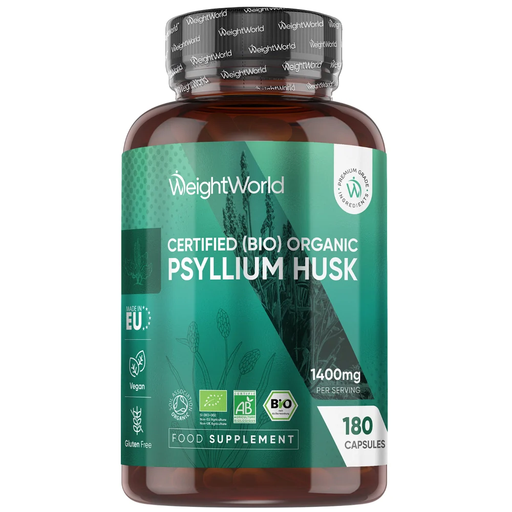
Why this suits this profile: A simple way to start with dietary fibre, without a long list of ingredients. Two capsules provide 1,400 mg of psyllium, and the bottle contains 90 servings.
The stated ingredients are limited to organic psyllium husk powder and a vegetable capsule, with no declared excipients, binders or flavourings.
Soil Association organic certification stated, vegan and gluten-free formula, capsules can be opened and mixed with food.
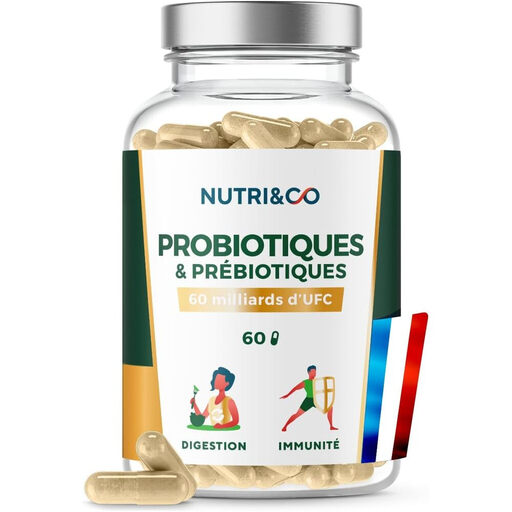
Why this suits this profile: This formula combines six probiotic strains with acacia fibre. It’s designed for those who want probiotics and prebiotics in a single product.
The product page specifies the number of strains, the stated dose of 60 billion CFU per serving, and that no refrigeration is required.
Vegan formula, gluten-free and soya-free, with an acid-resistant capsule and a QR code for traceability as stated by the manufacturer.
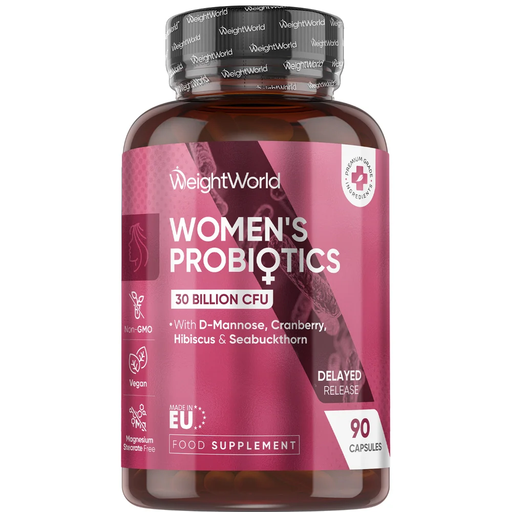
Why this suits this profile: A formula designed for women who want probiotics, inulin and several plant extracts as part of a well-structured daily routine.
The product page details the five strains, the 30 billion CFU per serving, and the three-capsule dose, making transparent comparison easy.
Delayed-release capsules, vegan and gluten-free formula, bottle of 90 capsules providing 30 servings according to the label.
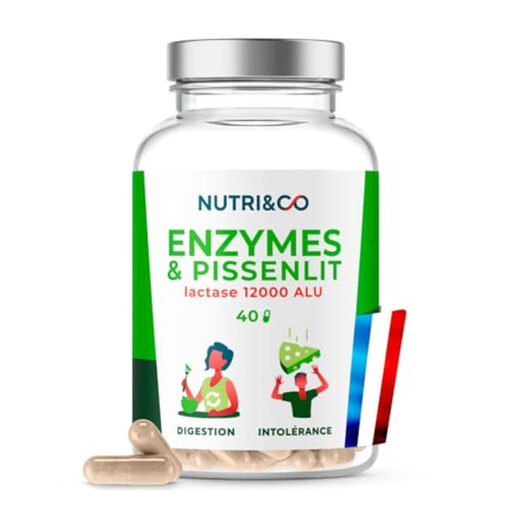
Why this suits this profile: An alternative to probiotics for adults who want to target their intake around mealtimes and prefer a blend of digestive enzymes.
The formula lists amylase, protease, cellulase, lactase and lipase separately, rather than just stating a generic blend.
Vegan capsules, free from artificial colours and titanium dioxide, with fennel, peppermint and ginger.
We’ve put together a comprehensive, real-time updated list of products that fully meet these strict selection criteria and European safety regulations.
It’s sometimes possible, but it’s best to introduce one new supplement at a time so you can monitor your tolerance. Take psyllium with a large glass of water and space it out from certain medications, following the advice of a healthcare professional.
The duration depends on the formula and the instructions on the label. Some products are designed for one to two months, while others are used for several weeks. Stick to the recommended dose and reassess whether the product is helping if you don’t notice any improvement in your digestive comfort.
They can suit people who prefer to chew their supplement and don’t want to drink water. However, check their sugar content, the number of gummies per dose, and the amount of CFU per serving. Capsules may offer a more concentrated formula, but the best choice ultimately depends on your habits and the ingredients you’re looking for.