
Livraison le jour même ou le lendemain

Qualité garantie

Débloquez vos offres de bienvenue: Livraison GRATUITE | Jusqu'à -80 % | 30 jours d'essai gratuits à JoyPlus
Téléchargez l'application
Gummy sweets have plenty to offer: fun shapes, fruity flavours and a soft, chewy texture. But an impulse buy can quickly lead to disappointment – a bag that's too small for a party, a taste that's not what you expected, a texture that's too firm, or a recipe that doesn't suit everyone.
Before you pick fruit gums, soft sweets or sour candies, a few simple checks are all it takes to avoid any nasty surprises.
A brightly coloured photo doesn't always help you judge the actual quantity on offer. A 40 to 65 g bag is better suited to individual snacking, while a 200 to 300 g format is more practical for a film night, a buffet or a sharing occasion.
For a party, also look at the number of pieces when it's stated. A generous pack is ideal for filling party bags, stuffing a piñata or dividing the sweets between several bowls.
The words 'strawberry', 'peach', 'mango' or 'grape' describe a flavour first and foremost. They don't necessarily mean the recipe contains a large amount of fruit. Check the ingredients list to see if fruit juice or fruit concentrates are present, as well as the flavourings and colourings used.
Some fruit sweets, for example, combine apple, mango or peach concentrates with flavourings. The result can be perfectly pleasant, but it's important to distinguish between the taste profile and the actual composition.
Depending on the recipe, you may find gelatine, milk, soya, wheat or sulphites. Japanese sweets in particular can have different ingredients or labelling to the confectionery usually sold in the UK.
When you receive the product, the label is your reference. Check the highlighted allergens, the best-before date, storage conditions and any warnings for children. Some sweets also carry a choking risk or advise against consumption by children under 3.
Not all gummy sweets offer the same mouthfeel. Here are the main categories to look out for:
Brands like Skittles, Hi-Chew, Haribo or Lutti mainly differ in their texture, flavour intensity and format. A detailed product page is far more useful than a simple marketing promise.
For individual snacking, a 40 to 65 g bag is easy to carry in a bag or slip into a lunchbox. For a family or gathering, it's usually better to go for 120 g, 200 g or more.
Compare the nutritional information per 100 g, rather than just looking at the values per portion. Sweets generally contain a lot of carbohydrates and sugars. This data lets you compare products on a level playing field, without mistaking marketing claims for nutritional advice.
Gelatine can be animal-derived, while some recipes use agar-agar or other gelling agents. If the origin of the ingredients matters to you, take the time to read the label carefully.
After opening, seal the bag properly and store it in a cool, dry place away from light and moisture. A resealable closure is especially handy for family-sized packs and sharing confectionery.
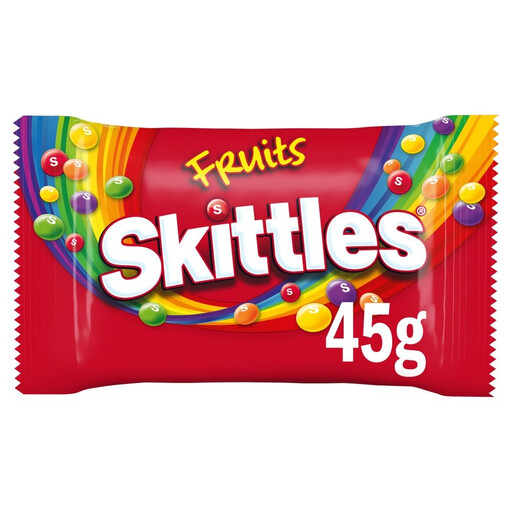
Why this choice suits this profile: A small, easy-to-carry bag, ideal for discovering several fruity flavours or treating yourself to a sweet break on the go.
The 45 g weight is clearly stated: there's no mistaking this individual format for a family bag.
Five fruity flavours advertised, a ready-to-eat product and a handy individual pack.
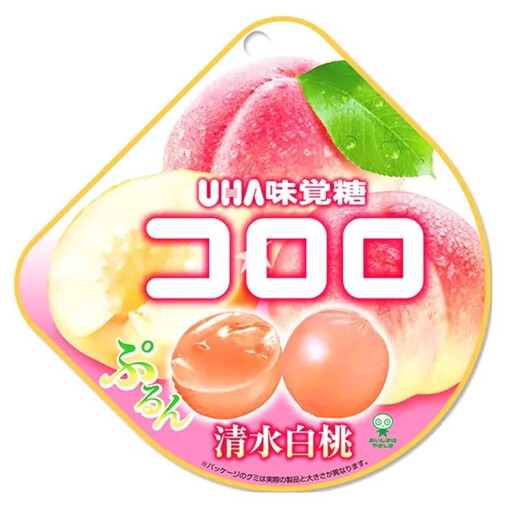
Why this choice suits this profile: A Japanese reference designed for lovers of original textures and peach flavour.
The 40 g format, as well as the presence of gelatine and apple, should be checked before purchase, especially if you have dietary restrictions.
A soft texture advertised, peach juice concentrate and a compact bag.
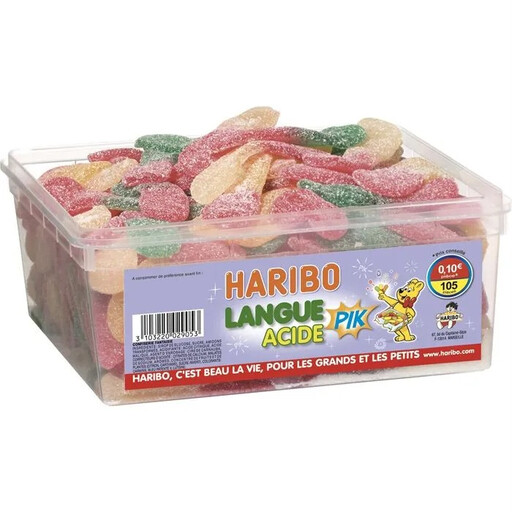
Why this choice suits this profile: A 200-piece pack designed for parties, party bags and large gatherings.
The total quantity of 1,174 g and the number of pieces are stated, making it easy to calculate your needs for an event.
Strawberry-filled sticks, a sour taste and a resealable box according to the description.
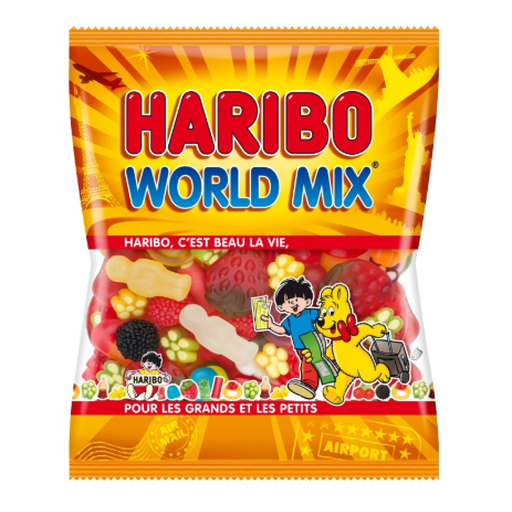
Why this choice suits this profile: An assortment of shapes and flavours that can satisfy several cravings at snack time or during a social occasion.
The ingredients list notes the presence of wheat and possible traces of milk: something to check before offering them to everyone.
A 120 g format, an assortment of shapes and simple use straight from the bag.
We've put together a complete, real-time updated list of products that fully meet these strict selection criteria and European safety regulations.
For a party, go for a 200 g or larger format, or a box where the number of pieces is clearly stated. Assortments, sour strips and individual bags make serving easy while offering plenty of variety. Remember to check the allergens before offering them to a group.
Respect the date on the packaging and store the sweets in a cool, dry place away from light. After opening, seal the bag carefully or transfer the contents to an airtight container. If exposed to moisture or heat, confectionery can quickly lose its original texture.
Not necessarily. The recipes may contain gelatine, soya, milk, apple or other ingredients to watch out for. Always check the label or the information on the product page, especially when it comes to children or people with food allergies.