
Livraison le jour même ou le lendemain

Qualité garantie

Débloquez vos offres de bienvenue: Livraison GRATUITE | Jusqu'à -80 % | 30 jours d'essai gratuits à JoyPlus
Téléchargez l'application
Gummy sweets and confectionery can look similar on the shelf, but their texture, ingredients and format can vary considerably. With promises of fruity flavour, sweets that pack a seriously sharp punch, large bags for parties and sugar-free recipes, it is easy to come home with a product that does not quite suit its intended purpose.
French consumers regularly make three mistakes:
For children aged 3 and over, confectionery should be eaten under adult supervision, taking the size and texture of the sweets into account. It should of course not replace a varied diet.
Chewy sweets prolong the tasting experience, while softer gummy sweets are generally easier to eat. Sour recipes add a refreshing sensation or a touch of acidity thanks to ingredients such as citric acid or malic acid.
For a birthday party, colourful sweets in a variety of shapes, such as Dragibus, are easy to set out for self-service. For an individual snack, a small 55 to 75 g bag makes it easier to control how much you open. Individually wrapped sweets are also convenient to hand out or pop into a bag.
Claims such as ‘vegan’, ‘vegetarian’ or ‘sugar-free’ should always be checked on the label of the product concerned. A recipe with no added sugar may contain sweeteners or polyols. The packaging may therefore state that excessive consumption could have a laxative effect.
Also check for gelatine, milk, gluten or beeswax. Liquorice sweets, for example, have a distinctive flavour that is not to everyone’s taste. Haribo Rotella contains liquorice extract, wheat flour and beeswax, among other ingredients, while its product page presents it as suitable for vegetarians.
The price displayed on the bag is not enough to compare two products. The price per kilogram, number of pieces and shelf life after opening are much more useful. A large pack is often economical for an event, but may be less practical if you only eat sweets occasionally.
Most of the products featured here should be stored in a cool, dry place away from direct light, heat and moisture. Once opened, reseal the bag carefully and refer to the date shown on the packaging.
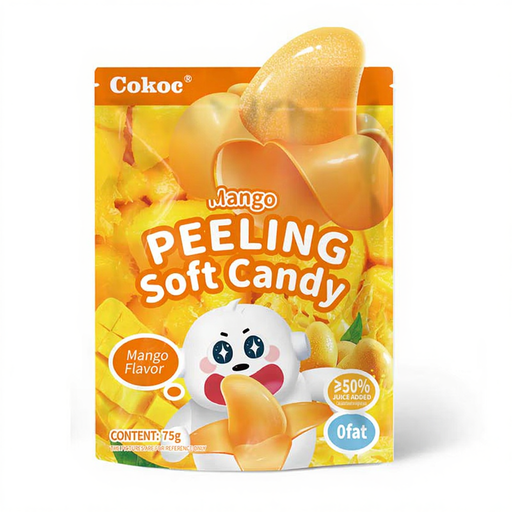
Why it suits this type of shopper: At 75 g, this bag is ideal for trying something new or enjoying an occasional snack. Its peeled-mango shape and soft texture add a playful touch, making it suitable for children aged 3 and over under adult supervision.
The compact format means you do not have to open a large supply for individual consumption. The product page states that it contains 50 % fruit juice and recommends consuming it soon after opening.
Mango flavour, a soft 3D texture and a recipe described as containing no fat. Store in a cool, dry place.
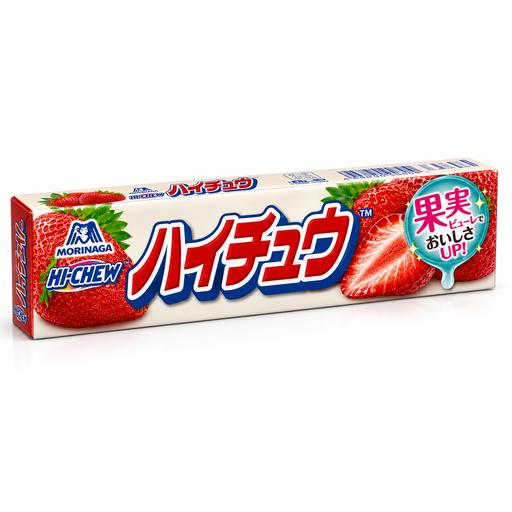
Why it suits this type of shopper: This Japanese confectionery is aimed at those who enjoy fruity flavours and soft, chewy textures. Its small bag is well suited to trying the product rather than buying a large quantity.
The 55.2 g format lets you try the texture and strawberry flavour before moving on to a larger pack. However, do not judge the ingredients solely by the marketing claims : check the packaging.
A Japanese-made bag, a soft texture and a strawberry flavour described as being made with fruit juice. Ready to enjoy.
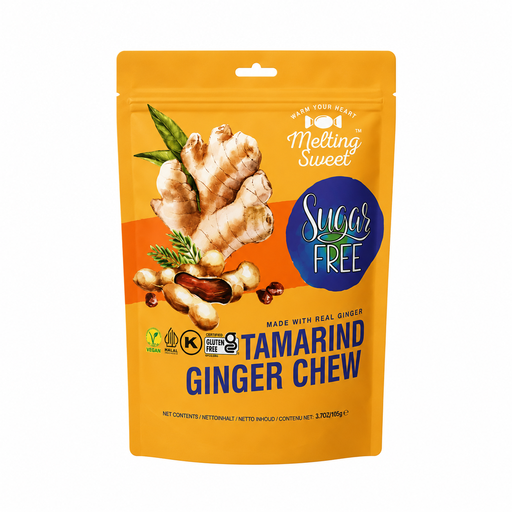
Why it suits this type of shopper: This product is aimed at people looking for sugar-free sweets and a less conventional combination of ginger and tamarind. The product page describes it as vegan and gluten-free.
The product page lists maltitol and sorbitol, amounting to 81 g of polyols per 100 g. As excessive consumption may have a laxative effect, it is best to keep portions sensible.
Individually wrapped sweets, 7 % ginger listed in the ingredients, a recipe described as sugar-free and a sweet-and-sour flavour.
Large bags of sharing confectionery are perfect for birthdays, film nights or gatherings. Haribo Dragibus Soft 1200 g offers a generous format and soft texture, while the Haribo Dragibus Soft 120 g bag is easier to store after opening. Haribo Super Frites 210 pieces make individual distribution simple, but contain gelatine.
For a sharper note, Haribo Pik Tongue 180 g combines tongue shapes with cola and fruit flavours. Têtes Brûlées Chewy Fruity Candy Bars and Fire Bars, in 200 g bags, are aimed at those who enjoy an intensely sour taste and chewy textures. However, remember to check the ingredients list for gelatine and fat.
Liquorice lovers can opt for Haribo Rotella Bag 300 g. If you prefer confectionery with a milky flavour, take a look at MILKY sweets. These contain milk and should therefore be avoided in the event of a known allergy to this ingredient.
We have put together a complete, real-time updated list of products that meet these demanding selection criteria and European safety regulations.
Choose formats that are easy to hand out, soft textures and clearly labelled products. From the age of 3, children should eat confectionery under adult supervision. Avoid making sweets an everyday food and adjust quantities to suit the age of the guests.
No. Sugar-free sweets may contain polyols or other sweeteners. The carbohydrate value, sugar content and any consumption recommendations are shown on the label. For the MELTING SWEET product, the product page specifically states that it contains 81 g of polyols per 100 g and recommends moderation.
Seal it tightly and store it in a dry place at a moderate temperature, away from sunlight and moisture. For larger formats, a clean, airtight container can help prevent the sweets from drying out or becoming soft, but it does not replace the storage instructions shown on the packaging.