
Livraison le jour même ou le lendemain

Qualité garantie

Débloquez vos offres de bienvenue: Livraison GRATUITE | Jusqu'à -80 % | 30 jours d'essai gratuits à JoyPlus
Téléchargez l'application
Who hasn’t felt lost in the glues, sealants, and adhesives aisle?? Between promises of "extreme hold" and "all-purpose" formulas, finding the perfect product for a specific task can be a real headache. A poor choice can not only turn your DIY project into a disaster but also cost you precious time and money. As the Head of Product Recommendations at Joybuy, I'm here to help you make sense of it all.
Before you get started, here are the three mistakes you should never make?:
To make the right choice, just focus on three parameters that will determine the success of your repair or assembly.
The nature of the surfaces to be joined is the very first factor to consider. There are two main categories?:
The exposure conditions of your bond or seal are crucial for its lifespan.
Finally, analyse the forces your assembly will need to withstand.
To help you visualise which product suits which need, here are a few options tailored for distinct user profiles.
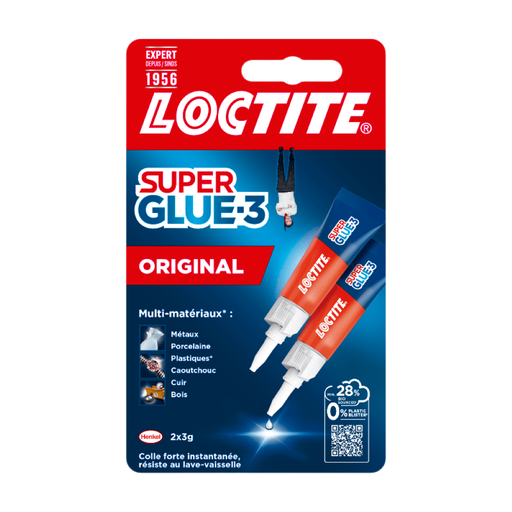
Why it's the right choice : The go-to for small, unexpected repairs at home. Whether you're reattaching a porcelain cup handle, a leather bag strap, or a wooden toy, its versatility and fast-setting formula make it a must-have for any drawer.
This glue is honest enough not to claim it works miracles on all plastics. Its description clearly states its limitations (not suitable for PE, PP, PTFE), saving you from the disappointment of a bond that doesn't hold.
Its transparent liquid formula dries in seconds and is resistant to water (including dishwasher cycles) and heat, ensuring discreet and durable repairs.
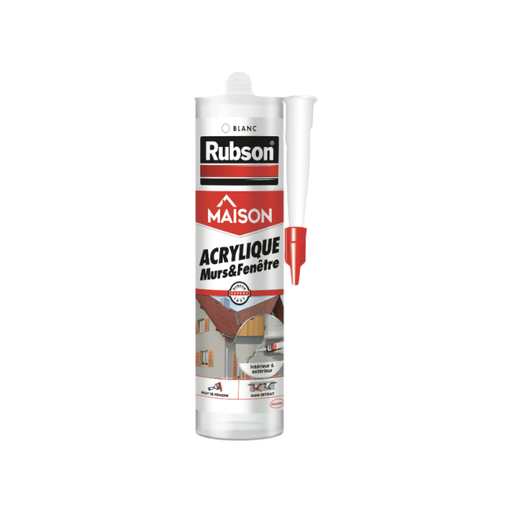
Why it's the right choice : Essential for anyone tackling finishing work. It allows you to fill cracks in walls or create flawless caulking joints around doors and windows before painting. Note: Application requires a sealant gun.
Clearly identified as "acrylic," it's designed for areas that will be painted (indoors or in sheltered outdoor spots), which unambiguously distinguishes it from silicone sealants reserved for wet areas.
Its major asset : it can be painted after drying with all types of paint. It adheres to most building materials (plaster, wood, cement, PVC) for a clean and durable finish.
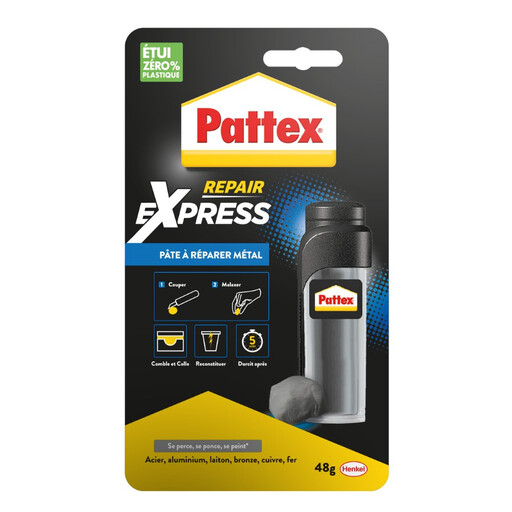
Why it's the right choice : For anyone who needs a heavy-duty metal repair. Ideal for sealing a leak in a pipe, rebuilding a broken part, or joining metal components under high stress.
Forget simple glue—this is a two-part epoxy paste. It offers a specialised, high-performance solution where a conventional glue would give up due to a lack of strength.
Once cured, the paste is as hard as metal. It can be sanded, drilled, and painted. It resists water (even full immersion) and extreme temperatures (-30°C to +120°C).
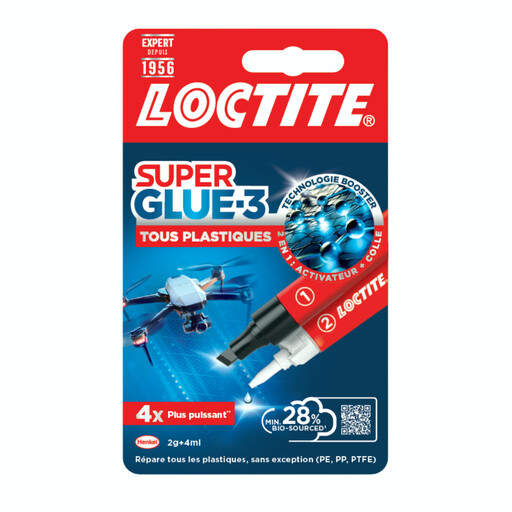
Why it's the right choice : The solution for anyone who has given up trying to repair a stubborn plastic object. Perfect for toys, car accessories, or electronic device casings made from difficult plastics like PE or PP.
This product directly tackles the myth of the "all-purpose" glue that's ineffective on certain plastics. Its two-step system (activator pen + glue) is specifically designed to prepare the surface and ensure a rock-solid bond.
The activator primes the surface of difficult plastics like polyethylene (PE) and polypropylene (PP), allowing the cyanoacrylate glue to create an ultra-strong, instant, and durable bond.
Discover our complete selection of products, all compliant with our quality criteria and current safety standards.
It all depends on the use and location?!
If you get super glue on your fingers, whatever you do, don't pull?! The gentlest method?: soak the affected area in warm, soapy water for several minutes, then gently try to peel off the residue. An oily substance (vegetable oil, petroleum jelly) or an acetone-based remover (use with caution) can also help dissolve the glue.
Absolutely. That's one of the major advantages of two-part epoxy glues. Once fully cured (be sure to respect the specified time), the glue forms an ultra-strong block that you can work just like the original material?: sand it smooth, drill it to insert a screw, and paint it for a completely invisible repair.