
Livraison le jour même ou le lendemain

Qualité garantie

Débloquez vos offres de bienvenue: Livraison GRATUITE | Jusqu'à -80 % | 30 jours d'essai gratuits à JoyPlus
Téléchargez l'application
A guava drink can come in many different forms: fizzy soda, juice, nectar, fruit drink, flavoured tea or concentrate to dilute. This variety is welcome, but it makes comparison less straightforward, whether in-store or online. The presence of a tropical fruit on the label does not guarantee a high guava content.
Before placing an order, three common pitfalls keep cropping up:
The fruit content is one of the most telling indicators. It may be expressed as guava purée, juice, concentrated juice or simply as a percentage of fruit.
To give you an idea of the differences:
These differences affect the texture, fruit intensity and sweetness. However, they don't automatically make one drink "better" – it all depends on what you're looking for.
Start by checking the nutritional information per 100ml, then scale it up to the amount you'll actually drink. For example, Jarritos Guava soda contains 7g of sugar per 100ml, which works out at around 26g for a whole 370ml bottle.
Some products also contain sweeteners:
A lower-calorie drink isn't necessarily less sweet on the palate. To compare effectively, look at the energy value, sugar content and list of sweeteners together.
Smaller formats slip easily into a bag and are great for on-the-go meals or snacks. One-litre bottles are more practical for sharing, but usually need to be refrigerated after opening and consumed within the time stated on the packaging.
Also remember to check:
For guava sweets, the ingredients list is also worth a close look. Hongyuan Guava Candy, for instance, contains the colourings E133 and E102. The product page notes that E102 may have an adverse effect on children's activity and attention. This is worth bearing in mind if these sweets are intended for the whole family.
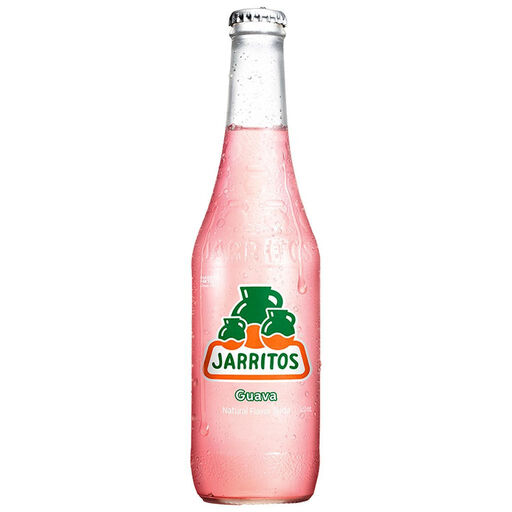
Why this suits this profile: Its individual format lets you try guava soda without committing to a large multipack. Best served well chilled, for a break or with a meal.
The product page clearly distinguishes between sparkling water, sugar and guava flavouring. The product is therefore not presented as a juice or nectar.
370 ml bottle, 29 kcal and 7g of sugar per 100ml according to the product page.
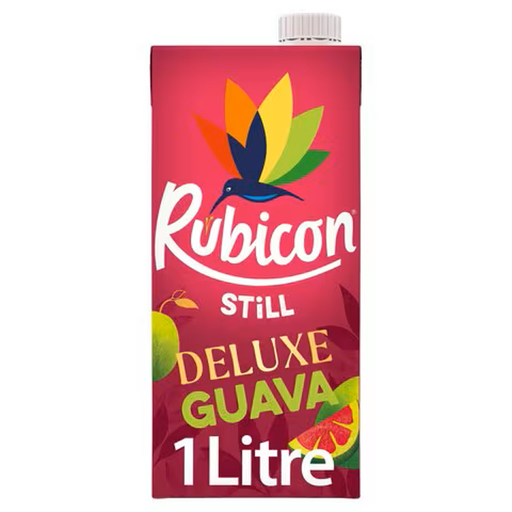
Why this suits this profile: With its stated 18% purée content, this format is designed more for enjoying at home, on its own or with a dessert.
The percentage of purée is listed in the ingredients, making it easy to compare with drinks that contain only flavouring or a small amount of fruit.
One-litre bottle, 18% guava purée and 52 kcal per 100ml according to the information provided.
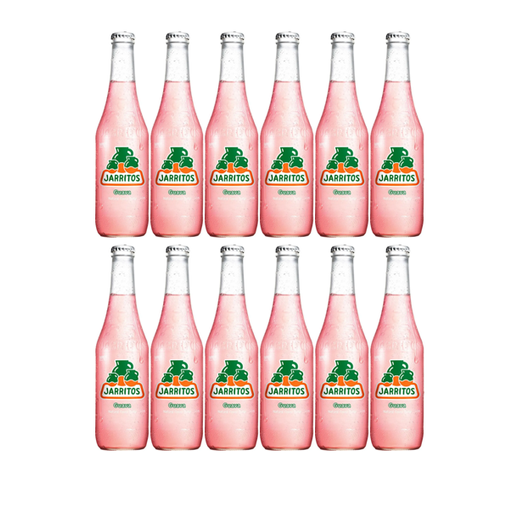
Why this suits this profile: The pack of 12 bottles is ideal for group meals, parties and storing exotic drinks in a suitable cupboard.
The total volume is clearly stated, making it easier to assess the quantity you're buying and avoid an oversized multipack for occasional use.
12 bottles of 370 ml, fizzy recipe and nutritional information given per 100ml.
We've put together a comprehensive, real-time updated list of products that meet these strict selection criteria and European safety requirements.
Depending on your needs, other formats may be more practical:
The distinction is mainly based on the proportion of fruit and the name shown on the label. A juice, nectar and fruit drink don't necessarily have the same guava content. Always check the ingredients list and the percentage of purée or juice.
Most bottles and cans need to be refrigerated after opening. The time frame varies from product to product: some recommend consuming within 48 hours, others within three days. Always follow the instructions on the packaging and avoid leaving an open drink at room temperature.
A one-litre bottle or a multipack of smaller formats can work well for family consumption. Individual bottles limit the shelf life after opening, whereas a larger format reduces packaging per portion but needs to be consumed quickly once opened. The right choice therefore depends on the number of people and how often you drink it.