
Livraison le jour même ou le lendemain

Qualité garantie

Débloquez vos offres de bienvenue: Livraison GRATUITE | Jusqu'à -80 % | 30 jours d'essai gratuits à JoyPlus
Téléchargez l'application
A guava drink can come in many forms: fizzy pop, juice, nectar, blended drink or concentrate. That means plenty of variety, but it can also make choosing a bit tricky. A bottle labelled 'tropical' doesn't necessarily contain much fruit, while a large format can quickly become awkward once opened.
Before you place your order, keep three common pitfalls in mind.
The ingredients list is always the best place to start. Among the products featured here, the fruit content varies quite a bit:
A higher percentage doesn't guarantee everyone will love the taste. However, it does help you tell a genuinely fruity drink apart from a mostly flavoured fizzy pop.
Start by comparing the values per 100 ml, then work out the amount for the actual volume you'll drink. Jarritos, for example, has 7 g of sugar per 100 ml, which works out at about 26 g for 370 ml. VITA GUAVA JUICE shows 12.4 g per 100 ml, which is nearly 31 g for a single 250 ml bottle.
Some recipes also contain sweeteners. The Rubicon can lists sucralose, while Jarritos uses steviol glycosides. The Senpure Meco and Xiang Piao Piao drinks also contain sucralose and acesulfame K. If you're trying to avoid a particular ingredient, always check the label on the product you receive: recipes and packaging can change.
The right size really depends on how you'll use it:
Once opened, several of these drinks need to be kept in the fridge. VITA GUAVA JUICE should be drunk straight after opening, while the one-litre Rubicon needs to be refrigerated and consumed within three days, according to its product listing. For the exact time frame and best-before date, always follow the instructions on the packaging.
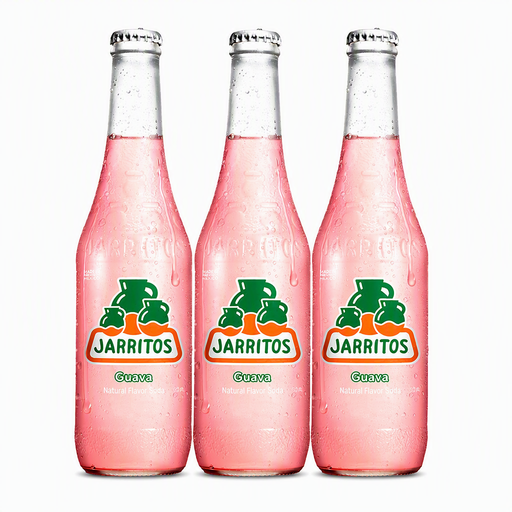
Why this suits this profile: At 370 ml, this fizzy pop lets you try guava without committing to a large pack straight away.
The listing details a fizzy recipe with guava flavouring and 7 g of sugar per 100 ml: you know exactly what you're getting before you buy.
A single-serving size, bubbles and best enjoyed well chilled.
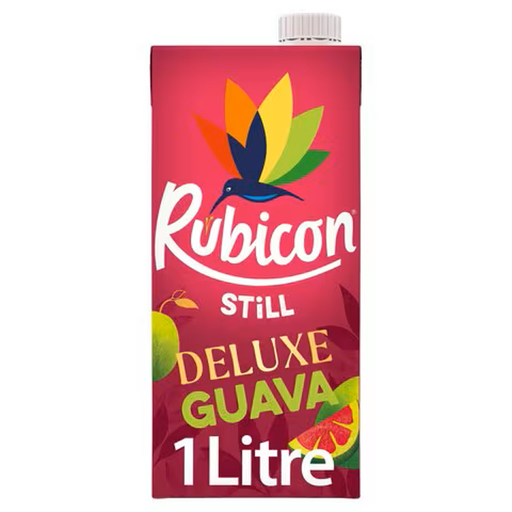
Why this suits this profile: Its one-litre size and stated 18 % purée content make it a great choice for anyone after an exotic drink to serve by the glass.
The purée percentage is shown on the listing, making it easy to compare with a nectar that's less rich in fruit.
18 % guava purée, 1 L and 52 kcal per 100 ml according to the information provided.
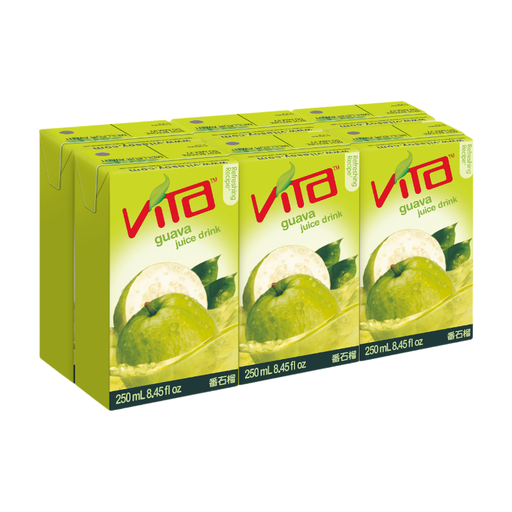
Why this suits this profile: The pack of six 250 ml bottles slips easily into lunchboxes and packed meals, while cutting down on leftovers after opening.
The individual bottles stop you from having a half-used large container hanging around. The listing also states 5 % guava purée and confirms no artificial colours.
Six 250 ml bottles, a ready-to-drink option and storage at room temperature before opening.
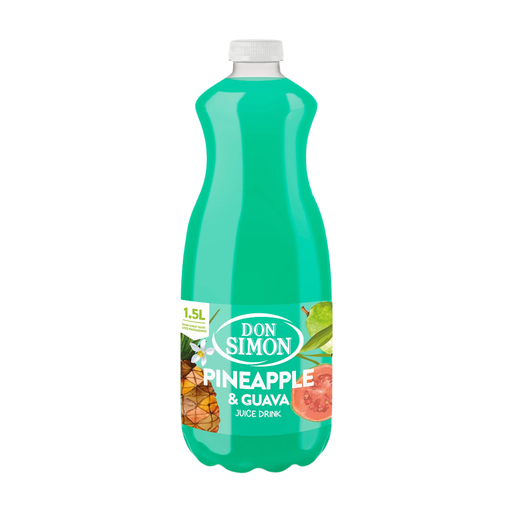
Why this suits this profile: At 1.5 L, this bottle is designed to be shared among several people, whether at a meal or a social get-together.
The recipe is clearly presented as a guava-pineapple blend: 3 % guava purée, 5 % pineapple juice and 2 % lime juice. The flavour profile leaves no room for doubt.
A large 1.5 L format and just 18 kcal per 100 ml according to the product listing.
We've put together a full, real-time updated selection featuring products that meet these exacting standards and comply with European safety regulations.
Guava juice contains fruit juice or purée, depending on the recipe. Nectar is usually a fruity drink made with a set proportion of fruit, water and sometimes sugar. Guava soda, on the other hand, is fizzy and can rely mainly on flavourings. To tell them apart, check the ingredients list and the fruit percentage.
It depends on the product. A bottled or carton drink generally needs to go in the fridge after opening. Some listings recommend drinking it within three days, while others suggest finishing a single-serving size straight away. Always follow the instructions printed on the packaging and avoid leaving an open bottle at room temperature.
A multipack can bring the price per unit down, but make sure you compare the price per litre and the amount you'll actually drink. For a family or regular consumption, a pack of cans or small bottles can also help cut down on waste. If you just want to try it without committing, a 250 to 370 ml size stops you from stockpiling drinks that might not be to your taste.