What should you look for?
For a lunchtime break, your first choice is between coffee you measure out yourself and a ready-to-use portion that’s compatible with your machine. Once you’ve found options suited to your equipment, you can compare their flavour profiles.
Ground coffee to measure yourself
Consider it if: you use a filter coffee maker, moka pot or cafetière and choose a product recommended for that method.
Bear in mind: you’ll need to measure the coffee and store the opened pack away from light, moisture and heat.
Soft coffee pod
Consider it if: you want a ready-to-use portion for a short break.
Check: your machine must accept the pod standard. A soft coffee pod isn’t interchangeable with a sachet described as a pyramid sachet.
| Factor |
What to check |
Who is it for? |
| Compatibility with your coffee maker |
Recommended brewing method for ground coffee; accepted standard for pods. |
If I use my filter coffee maker at lunchtime, I want a product designed for that method rather than an uncertain format. Around 46 % of consumers prioritise compatibility. |
| Flavour profile |
The roast and tasting notes listed for the product; don’t compare intensity scales from different brands as if they were the same. |
I’m looking for a cup that suits my lunchtime preferences, rather than relying on the word “premium” alone. Around 36 % of consumers put flavour profile at the top of their list. |
| Preparation |
Whether you need to measure the coffee yourself or have an individual portion; check pod compatibility if you’re interested in that option. |
When my break is short, I’d rather not measure the coffee before making it. Nearly 18 % of consumers prioritise ease of measuring above all else. |
Ground coffee to consider on Joybuy
These products are ground coffee that you measure yourself for your lunch break. Check the recommended method for your coffee maker before choosing one. This isn’t a selection of pyramid sachets.
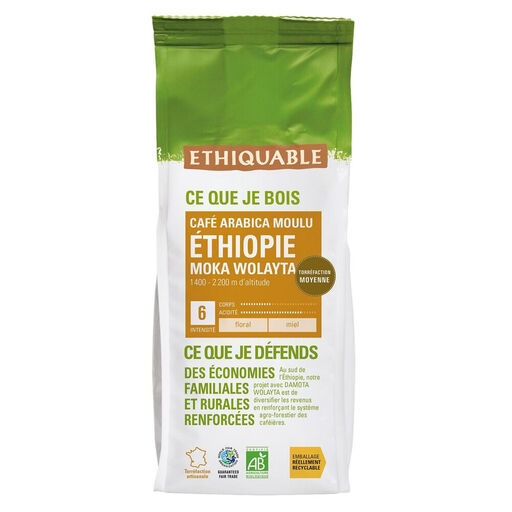 Image unavailable
ETHIQUABLE Organic Ethiopian Mocha, ground coffee 250 g
Worth considering if you want to measure out your coffee yourself at lunchtime. Check the recommended brewing method for your coffee maker.
250 g pack.
View on Joybuy
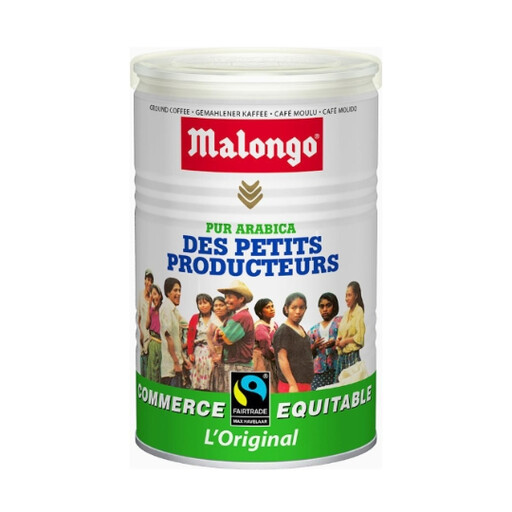 Image unavailable
MALONG Petit Producteur Fairtrade, ground coffee in a 250 g tin
Worth considering if you prefer coffee in a tin that you can measure out yourself during your lunch break. Check the recommended method for your coffee maker.
250 g tin.
View on Joybuy
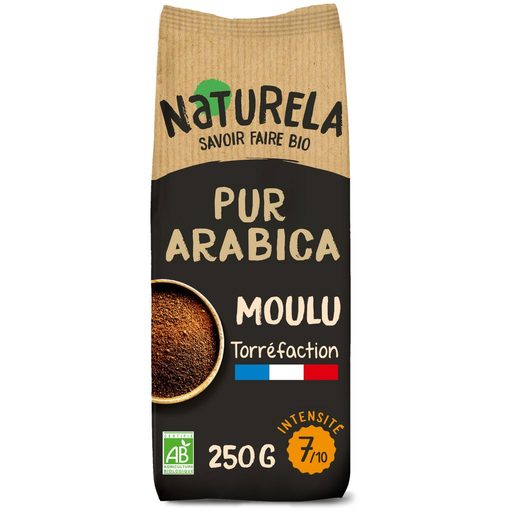 Image unavailable
NATURELA 100% Arabica Organic, ground coffee 250 g
If you’re making coffee by measuring it yourself at lunchtime, check that the recommended method for this product suits your coffee maker.
100% Arabica ground coffee; 250 g pack.
View on Joybuy
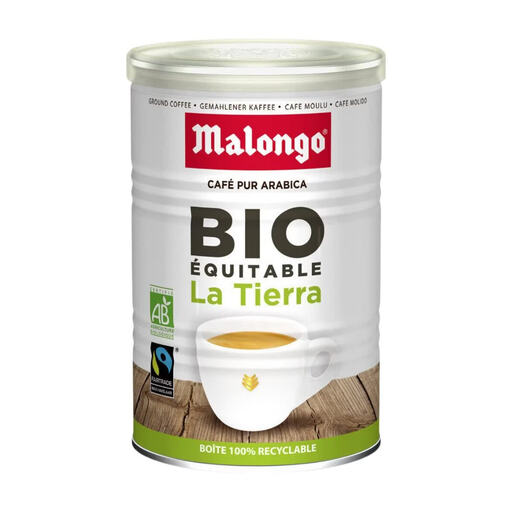 Image unavailable
MALONGO La Tierra Organic, ground coffee 250 g
Worth considering if you like to measure out your coffee yourself. Before buying, check the recommended brewing method and the amount you want to use.
250 g pack.
View on Joybuy
Frequently asked questions
Can a pyramid sachet replace my usual ground coffee?
Not without checking what it contains and how to prepare it. For your lunch break, check the sachet’s product details and compare the instructions with your equipment. Its shape alone doesn’t tell you whether it can replace a pack of ground coffee or a soft coffee pod, or whether it makes a better brew.
How can I tell if a soft coffee pod is suitable for my machine?
Compare the standard shown on the pods with the formats accepted by your machine’s manufacturer. Carte Noire describes its soft coffee pods as ESE pods for use with a compatible machine, but not all pod machines accept them.
How should I store ground coffee after opening?
Store it in an airtight container away from light, moisture and heat, following the storage advice given by the manufacturers consulted. This doesn’t remove the need to choose a grind recommended for your coffee maker.
What should I check on the label of pre-packed coffee in France?
Check that the information you need to identify and choose the product is easy to read. The French Directorate-General for Competition Policy, Consumer Affairs and Fraud Control states that food labelling information must be visible, legible and written at least in French. Also check the preparation instructions and any claims highlighted on the packaging.


