Fans of a strong mint flavour
You want the mint to dominate your cup at teatime. Compare the ingredients in flavoured blends rather than assuming that ‘intense’ refers to the strength of the green tea.


For a more flavourful cup at teatime, choose a mint blend if you’re mainly looking for aromatic freshness. If you prefer the taste of green tea itself, start with a plain variety and follow its brewing instructions. Labels such as ‘intense’, ‘extreme’ and ‘strong’ don’t measure flavour strength on a shared scale or indicate caffeine content. The ingredients and how you brew your tea matter more when choosing.
You want the mint to dominate your cup at teatime. Compare the ingredients in flavoured blends rather than assuming that ‘intense’ refers to the strength of the green tea.
You prefer a blend without mint or added flavourings, and want to adjust the character of your cup by following the brewing instructions for your chosen tea.
You take teatime and your other sources of caffeine into account. As Anses points out, tea naturally contains caffeine; a stronger flavour doesn’t tell you how much.
First decide whether you’re looking for mint or the taste of plain green tea. Then check the brewing instructions and consider how tea fits into your overall caffeine intake.
| What to consider | What to check | Who is it for? |
|---|---|---|
| Mint flavour | Read the ingredients list: green tea, types of mint and any added flavourings. | I want to clearly taste the mint in my cup, even if the green tea’s vegetal notes take a back seat. Around 36% of consumers put this minty flavour at the top of their wish list. |
| Brewing and bitterness | Check the recommended brewing time, water temperature and volume for your chosen tea. | I want to adjust the character of my tea without brewing it for so long that it becomes too bitter. This is the main priority for around 29% of consumers. |
| Plain flavour | If you don’t want mint or added flavourings, look for an ingredients list containing only green tea. You can also choose between tea bags and loose leaf. | At teatime, I’d rather enjoy the taste of green tea than an added flavour. Choosing a plain blend comes top for around 21% of consumers. |
| Caffeine | Consider tea alongside your other sources of caffeine, and check information specific to the prepared drink if you need to monitor your intake. | When I have tea at teatime, the time of day and my other caffeinated drinks influence my choice. Around 14% of consumers prioritise keeping an eye on their intake. |
Lipton Double Mint Intense, Twinings Intense Mint and Auchan Extreme Mint blends combine green tea, mint and mint flavourings. Their names don’t allow you to rank them by flavour strength or caffeine content.
If you want a pronounced mint flavour, compare the ingredients. For a plain taste, look for a blend made only with green tea.
Brewing times vary by product. For example, Twinings recommends brewing its Simply Pure blend for 4 minutes at 90 °C for a fuller-flavoured tea. Applying this timing to every green tea could affect its flavour balance.
Start by following the instructions for your chosen tea, then adjust the brewing time within the recommended range, if one is given.
Anses points out that tea naturally contains caffeine, and that people’s sensitivity to its effects, particularly on sleep, varies. A ‘strong’ or ‘intense’ label doesn’t tell you how much caffeine is in your cup.
Consider when you drink it and your other sources of caffeine that day, rather than judging by flavour alone.
One option for a mint-led cup at teatime, in tea bag form, is Double Mint Intense.
The brand offers a choice between a mint blend and a plain tea whose brewing time can be adjusted.
A mint blend to consider if aromatic freshness is your top priority.
A plain tea in bags for anyone who prefers green tea over a minty flavour.
One brand to compare if you’d like to explore plain green teas.
A retailer to consider when comparing formats, including loose-leaf green tea.
These options cover different ways to enjoy green tea at teatime: plain blends, mint blends, tea bags and Gunpowder. Start by choosing the flavour profile you want. Mint or an evocative product name doesn’t guarantee a fuller-bodied cup.
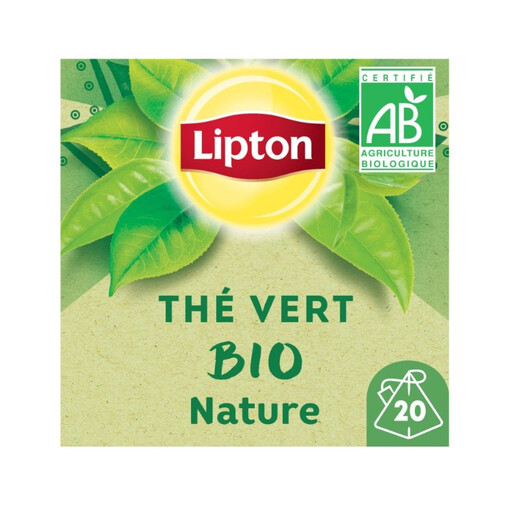 Image unavailable
Worth considering if you’d like plain green tea in tea bags for teatime, rather than a mint blend. Check the brewing instructions on the pack to adjust the flavour to your liking.
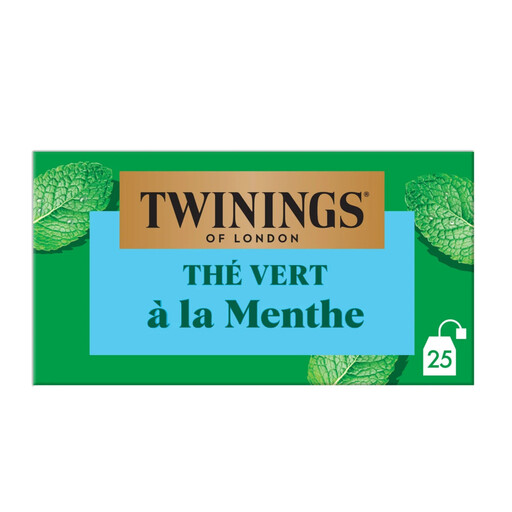 Image unavailable
For teatime when you’re looking for mint in your cup, rather than plain green tea. The Joybuy product listing states that this blend contains 73% green tea, 20% spearmint leaves and 7% natural mint flavouring; these ingredients don’t tell you its caffeine content.
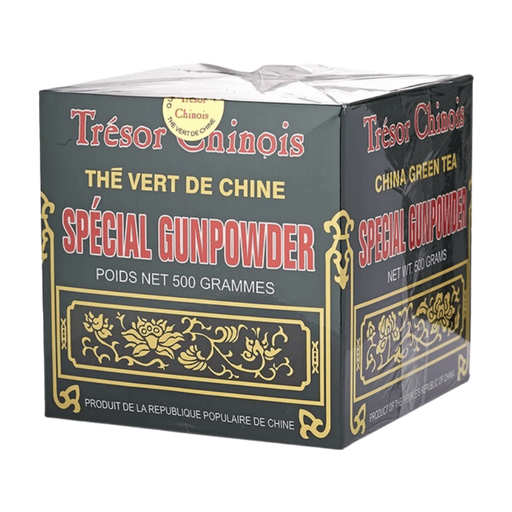 Image unavailable
A Gunpowder tea to consider if you’d like to explore the taste of green tea without choosing a blend labelled ‘mint’. Check the leaf format and brewing instructions before adding it to your teatime routine.
 Image unavailable
An option to consider if you’d like mint and matcha in your green tea at teatime. This blend isn’t for anyone looking for plain green tea, and its name doesn’t mean you can rank it among the fuller-bodied cups.
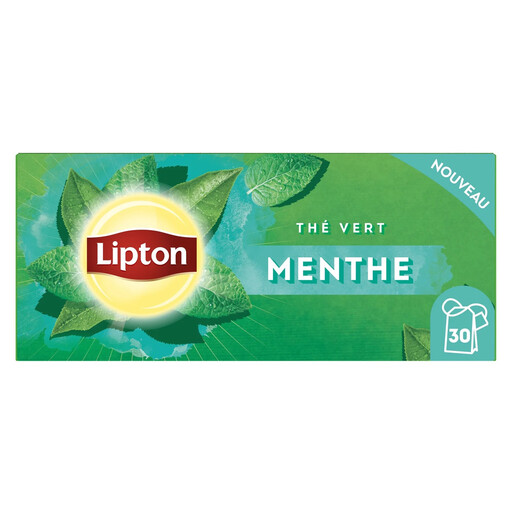 Image unavailable
For anyone looking for green tea with mint in tea bags for teatime. Don’t confuse this product with Lipton Double Mint Intense: they’re different varieties, and this one’s name doesn’t promise a particularly intense flavour.
You can’t tell from the name. The mint varieties from Lipton, Twinings and Auchan are different flavoured blends. If you’re monitoring your caffeine intake, consider the tea as prepared and your other sources of caffeine throughout the day.
Follow the instructions for your chosen tea before changing the brewing time. For Simply Pure, Twinings recommends brewing for 4 minutes in 200 ml of water at 90 °C for a fuller flavour. Don’t automatically apply this timing to other varieties, as a longer brew may change their taste.
Choose a tea whose ingredients list contains only green tea. Carrefour states that its Nature Sensation Green Tea is ‘100% green tea’, while Twinings lists green tea as the sole ingredient in Simply Pure. Always check the packaging of the variety you buy.
Tea should be included in your total caffeine intake from all sources, and the number of cups you can drink can’t be worked out from the product name alone. In its scientific opinion, EFSA states that a total caffeine intake of up to 200 mg per day from all sources does not raise safety concerns for the foetus in pregnant women. This figure doesn’t tell you how much caffeine is in a particular cup.