
Livraison le jour même ou le lendemain

Qualité garantie

Débloquez vos offres de bienvenue: Livraison GRATUITE | Jusqu'à -80 % | 30 jours d'essai gratuits à JoyPlus
Téléchargez l'application
Buying green tea and matcha online makes it easier to compare formats, origins and preparation methods. But a well-presented product listing is not always enough to make the right choice. Between a matcha powder designed for drinks and one better suited to baking, the difference can be noticeable both in how you use it and in the final result in your cup.
Before checking out, take the time to verify three points that are often overlooked: the exact composition, the format and the storage conditions. Here is a simple way to choose a green tea for brewing, a matcha latte or an iced tea with honey that genuinely suits your habits.
A product presented as a matcha drink may contain much more than tea. Some instant preparations, for example, combine sugar, milk powder, glucose syrup and flavourings. They are convenient, but their taste and nutritional profile are completely different from those of matcha made solely from ground green tea.
Start by reading the ingredients list:
Green tea bags are ideal for a quick cup, whether at home or in the office. Loose-leaf tea requires a teapot or infuser, but gives you more precise control over the quantity and brewing time. Matcha, meanwhile, is not brewed like loose leaves: this powder is dispersed in water using a whisk or a suitable utensil.
Buying 100 g of matcha powder to prepare a cup occasionally is therefore not necessarily the most practical choice. Conversely, matcha latte fans and keen home bakers may benefit from choosing a larger pack.
Light, heat and humidity can quickly affect the flavour and colour of both matcha and tea leaves. After opening, reseal the pouch or tin carefully. Some products must be stored in the refrigerator, between 0 and 10 °C: in that case, follow the packaging instructions rather than relying on a general rule.
For plain green tea, choose a short ingredients list, such as ‘green tea’ or ‘green tea powder’. Also check the allergens, net quantity, country of origin, best-before date and, where this information appears on the product listing, the name of the responsible person in the European Union.
Chinese loose-leaf green tea may offer fresh, vegetal or slightly herbaceous notes. A Thai green tea blend, on the other hand, may be designed to be prepared with condensed milk and ice cubes. These descriptions mainly refer to a product style and a declared origin: on their own, they are not enough to guarantee superior quality.
Green tea listings often recommend water between 80 and 100 °C, with a brewing time of 1 to 3 minutes, depending on the format. Brewing for too long may intensify the bitterness. Start by following the manufacturer’s instructions, then gradually adjust the quantity and brewing time to suit your preferences.
To prepare a cold drink, allow the brewed tea to cool before adding the ice cubes. You can then add honey or juice according to the recipe, bearing in mind the amount of sugar in the finished drink.
For baking, sift the matcha to prevent lumps. For a drink, start by blending it with a small amount of water or milk at around 70–80 °C, then whisk before adding the remaining liquid. Products made solely from green tea are not necessarily intended to be consumed dry: always follow the preparation instructions.
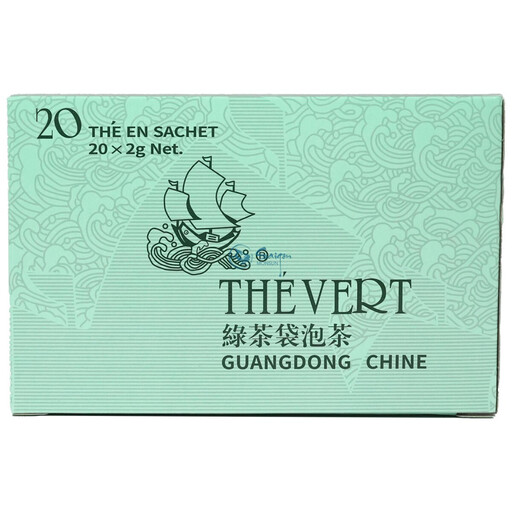
Why this choice suits this profile : The 20 x 2 g tea bags can be prepared in moments at home, in the office or while travelling, with no scales or infuser required.
The weight of each tea bag and the brewing instructions are clearly stated, reducing the risk of using the wrong amount.
Green tea listed as the only ingredient, individually portioned tea bags and a stated preparation temperature of between 80 and 100 °C.

Why this choice suits this profile : Its fine texture and 100 g pack are ideal for those who alternate between drinks, desserts and homemade ice cream.
The product listing specifies that the powder should be sifted and blended before being added, rather than used like loose-leaf tea.
Green tea powder, individual packaging mentioned and recommended storage between 0 and 10 °C.
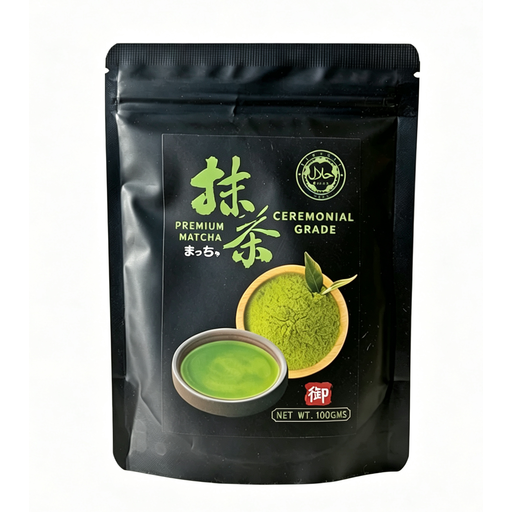
Why this choice suits this profile : This versatile format is ideal for households that regularly use matcha in lattes, cold drinks, smoothies and sweet recipes.
The stated composition is limited to 100% green tea powder, with no sweetened blend mentioned.
Net weight of 100 g, fine powder and stated uses for hot or cold drinks, cakes, biscuits and ice cream.
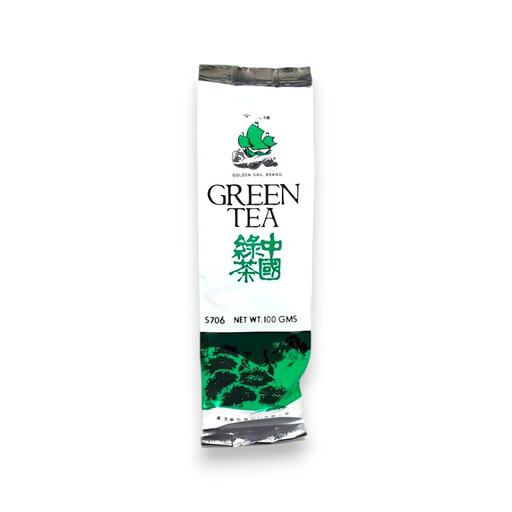
Why this choice suits this profile : The loose leaves allow you to adjust the quantity and brewing time, whether you are preparing a single cup or a teapot.
The product listing details the leaves, recommended water volume and brewing time, rather than relying on a simple taste claim.
100% green tea, net weight of 100 g, origin stated as China and a brewing time of 2 to 3 minutes.
We have put together a complete, real-time updated list of products that meet these strict selection criteria and European safety requirements.
A 90 g or 100 g pack gives you enough for several experiments. If you want to stay in control of the ingredients, choose a powder whose ingredients list mentions green tea only. For a quick, sweet preparation, an instant matcha drink may be simpler, but it will not have the same profile as pure powder.
Seal the container tightly and keep it away from light, heat and humidity. If the product listing recommends storing it in the refrigerator, follow that instruction. For its shelf life, always refer to the date printed on the packaging.
It depends on the weight, pack size and brand. Tea bags provide instant portioning, while loose tea lets you adjust the quantity. To compare prices accurately, look at the price per 100 g, the number of servings and the accessories needed for preparation.