For a warming winter cup, choose plain green tea if you want the taste of tea without added flavourings, or a mint or other flavoured blend if you prefer a different taste. Then choose between tea bags and loose-leaf tea based on how much time you want to spend preparing it. If you transfer your tea to a jar, make sure it is suitable for food contact.
Who are these options for?
Fans of fragrant cups
If you’d like a hint of mint or another flavour in your hot drink, compare the blends rather than relying on the words ‘green tea’ alone. The ingredient lists published by Twinings and Carrefour for the products mentioned below show the difference between plain and flavoured tea.
Regular tea drinkers who like to keep their cupboard organised
The number of tea bags and the packaging matter if you make tea often. Loose-leaf tea needs to be measured out; Kusmi Tea, for example, offers its organic Chinese green tea in a tin, in tea bags and loose.
People who are mindful of caffeine
If the drink is for a child or teenager, taste isn’t the only consideration: the French National Health Insurance service recommends avoiding caffeinated drinks, including tea, for these age groups.
What should you look for before buying?
First decide on the taste and ingredients you’re looking for, then choose a format that suits how you prepare and store your tea. If you want a caffeine-free drink, don’t assume green tea will meet that need.
| What to consider | What to check | Who it’s for |
|---|
| Flavoured taste |
Compare the ingredients in plain tea with those in a mint or other flavoured blend. |
I’d like mint or another flavour to stand out more than the taste of tea alone during my winter break; around 33% of consumers would prioritise this flavour profile. |
| Preparation and storage |
Check the number of tea bags or the loose-leaf format. If transferring the tea, choose a jar suitable for food contact. |
For my regular cups, I prefer to choose between the convenience of tea bags and measuring loose-leaf tea, depending on my habits; around 25% of consumers would prioritise this practical consideration. |
| Plain ingredients |
Read the full ingredients list to distinguish green tea on its own from blends containing other ingredients or flavourings. |
I want to know whether my cup contains only green tea, even if a flavoured blend would suit my taste; around 25% of consumers would prioritise this ingredient profile. |
| Caffeine |
Don’t confuse green tea with a caffeine-free drink. The French National Health Insurance service recommends avoiding caffeinated drinks, including tea, for children and teenagers. |
If I’m looking for a hot drink for a child, teenager or someone mindful of caffeine, this comes before flavour; around 17% of consumers would put it first. |
Mistakes to avoid
-
Assuming all green tea is plain
Twinings Simply Pure Green Tea lists green tea as its only ingredient, while its Mint Green Tea also contains mint leaves and natural mint flavouring. So the category name alone won’t tell you what it tastes like.
Check the ingredients for the specific product before choosing between plain tea and a flavoured blend.
-
Using a decorative jar without checking what it’s for
A pretty container isn’t necessarily suitable for food. France’s consumer protection authority (DGCCRF) states that materials in contact with food must not pose a risk or affect the food.
Keep the original packaging or use a clean, dry jar explicitly designed for food contact, and follow the storage instructions on the tea packaging.
-
Choosing green tea as a caffeine-free drink for a child
Tea contains caffeine. The French National Health Insurance service recommends avoiding caffeinated drinks, including tea, for children and teenagers.
If you’re looking for a caffeine-free hot drink for them, consider an infusion without tea and check its ingredients.
-
Using the same brewing instructions for every product
Instructions vary by product: Twinings recommends brewing its Simply Pure Green Tea for 3 minutes at 90 °C, while Carrefour’s product details for Lipton Classic Green Tea recommend 2 minutes at 90 °C.
Start with the instructions on the packaging of the product you’ve bought, then adjust to suit your taste.
Brands to compare by product
Twinings
Twinings lets you compare plain green tea with a mint blend without assuming they have the same ingredients.
- According to Twinings France, Simply Pure Green Tea lists green tea as its only ingredient.
- According to Twinings France, Mint Green Tea contains 73% green tea, 20% spearmint leaves and 7% natural mint flavouring. Check the specific product if you want to avoid flavourings.
Lipton
Lipton Classic Green Tea, listed by Carrefour, offers a useful point of comparison if you’re looking for a box of 50 tea bags.
- Carrefour’s product details specify the number of tea bags and the preparation instructions for this product.
- Carrefour lists the blend as 94% green tea and 6% natural flavouring, so it won’t suit you if you’re looking for green tea as the only ingredient.
Kusmi Tea
The organic Chinese green tea featured by Kusmi Tea is a useful option for comparing the packaging formats available for one product.
- Kusmi Tea offers this product in a tin, in tea bags and loose.
- Choose the format that suits the way you make tea, and check the ingredients and instructions for the specific product you select.
Green teas for different preferences
These Joybuy products let you compare plain and flavoured green tea bags, loose tea to measure out, and hojicha tea bags. Your choice will depend on the taste you’re after, the format and the instructions on each pack.
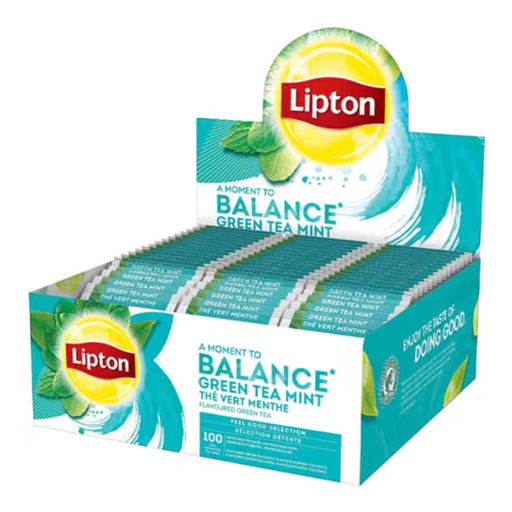 Image unavailable
Lipton Green Tea with Mint Gift Set, 100 sachets
A good choice if you’d like mint to come through more than the taste of plain green tea. The 100 tea bags mean there’s no need to measure out leaves; check the ingredients if you want to avoid flavourings.
View on Joybuy
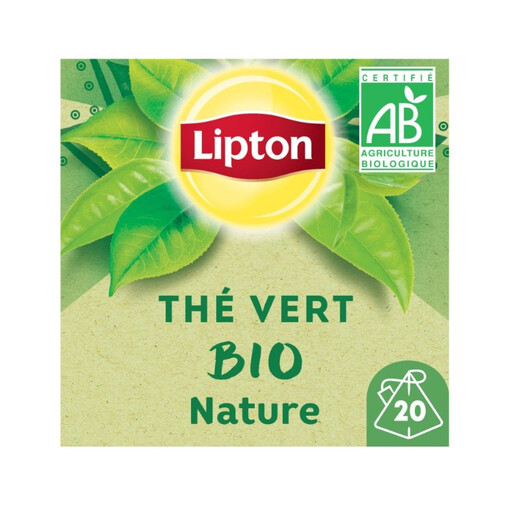 Image unavailable
Lipton Organic Green Tea Plain, 20 sachets, 28 g
Worth considering if you prefer plain green tea bags to a mint blend. The pack contains 20 tea bags and has a stated weight of 28 g; check the ingredients and brewing instructions on the packaging.
View on Joybuy
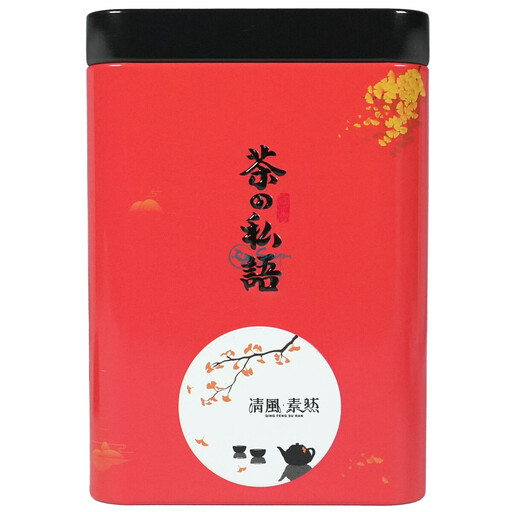 Image unavailable
GS China Green Tea, 150 g tin
This format is a good fit if you’d like to measure out your own tea rather than use individual tea bags. The tin contains 150 g; make sure you have something to infuse the leaves in, and follow the product instructions.
View on Joybuy
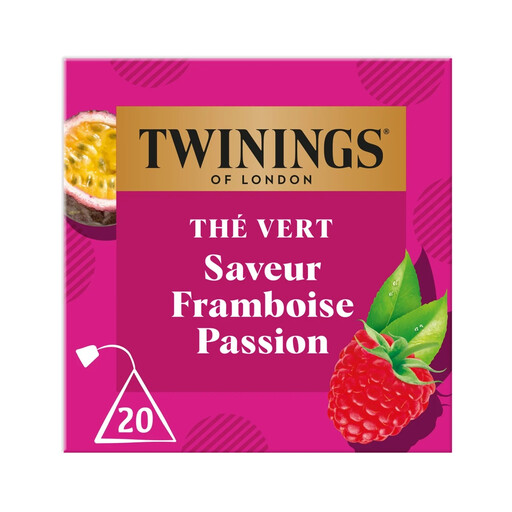 Image unavailable
Twinings Raspberry & Passion Fruit Green Tea, 20 sachets, 32 g
Compare this with plain green teas if you’re looking for a blend with notes of raspberry and passion fruit. The pack of 20 tea bags weighs 32 g; check the ingredients for the exact composition.
View on Joybuy
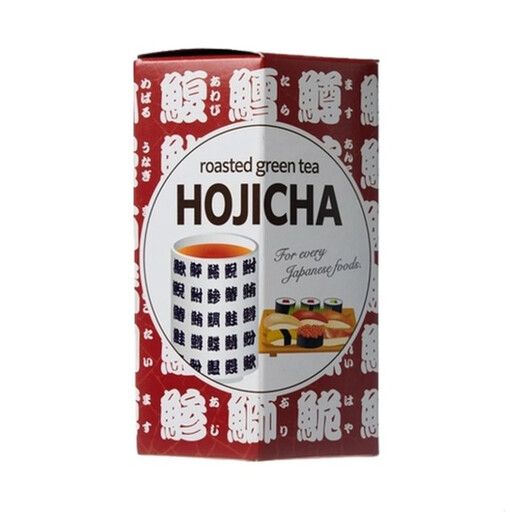 Image unavailable
Otsuka Yunomi Hojicha, 10 sachets, 30 g
If you’d like to compare hojicha with plain or fruity green teas, this pack contains 10 tea bags and weighs 30 g. Check the temperature and brewing time on the packaging before making it.
View on Joybuy
Frequently asked questions
Will any glass jar do for green tea?
No. If you transfer your tea, choose a jar suitable for food contact. France’s consumer protection authority (DGCCRF) states that materials in contact with food must not pose a risk or affect the food. You should also follow the manufacturer’s storage instructions.
How can I tell plain green tea from flavoured green tea?
Read the ingredients list for the product you’re considering. Twinings France lists green tea as the only ingredient in its Simply Pure Green Tea, while its Mint Green Tea also contains mint leaves and natural mint flavouring.
How long should I brew green tea for?
Follow the instructions for the product you’ve bought rather than using one brewing time for all green teas. Twinings recommends brewing its Simply Pure Green Tea for 3 minutes at 90 °C; Carrefour’s product details for Lipton Classic Green Tea recommend 2 minutes at 90 °C.
Is green tea suitable as an evening drink for a child?
Not if you’re looking for a caffeine-free drink: the French National Health Insurance service recommends avoiding tea and other caffeinated drinks for children and teenagers. For a hot drink without tea, consider an infusion and check its ingredients.


