What should you check before buying?
If you’d like a drink for later breaks too, start by deciding how important caffeine is to you. Flavour and format come next: on their own, they don’t tell you whether a tea is decaffeinated.
Decaffeinated green tea
Choose this if: you’d like to stick with green tea and are looking for a product labelled as decaffeinated.
Bear in mind: the word ‘decaffeinated’ on its own doesn’t necessarily tell you how much caffeine remains in each cup.
Regular green tea
Choose this if: plain or flavoured tea and its format matter more to you than reducing caffeine.
Bear in mind: according to ANSES, tea naturally contains caffeine, even when it’s flavoured.
| Factor |
What to check |
Who it’s for |
| Caffeine |
An explicit ‘decaffeinated’ label and, if needed, a figure for the amount of caffeine remaining. For blends, also check whether they contain tea, mate or guarana. |
If I might also have a cup later in the day, I want to know whether the tea is labelled as decaffeinated. Around 42% of consumers are thought to put reducing caffeine first. |
| Flavour and preparation |
The ingredients and brewing instructions, especially if you’d like to serve it cold. |
With my afternoon snack, I prefer to choose between plain green tea and a flavour I enjoy; flavour is thought to be the main consideration for around 33% of consumers. |
| Format |
The number of tea bags or the stated volume, depending on whether you’d like to brew your tea or have a ready-to-drink option. |
For a break that doesn’t involve lots of preparation, I prefer a format that’s easy to add to my shopping; convenience is thought to be a priority for around 25% of consumers. |
Green teas and iced tea on Joybuy
These products are suited to a break with plain or flavoured green tea, or a ready-to-drink option, if the caffeine in tea isn’t your main concern. If you’re looking for a decaffeinated drink that you can also enjoy in the evening, check the label on the product you choose.
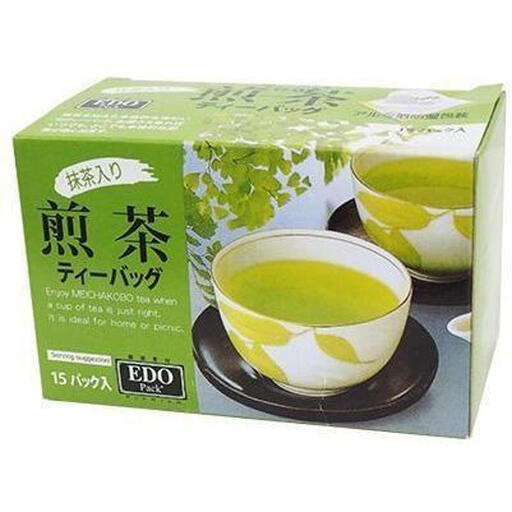 Image unavailable
HAMASA YUKI Sen Cha, 20 tea bags, 40 g
For an afternoon break when you’d like to make sencha using tea bags.
The product description states 20 tea bags, 40 g. If you’re looking to reduce your caffeine intake, check that the packaging is explicitly labelled ‘decaffeinated’.
View on Joybuy
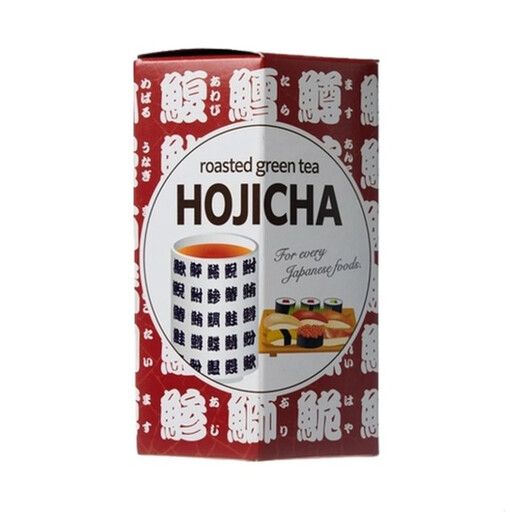 Image unavailable
Otsuka Yunomi Hojicha, 10 tea bags, 30 g
Worth considering for a break with hojicha made from tea bags, if decaffeination isn’t your main priority.
The product description states 10 tea bags, 30 g. Don’t assume it’s decaffeinated just because it’s called ‘hojicha’: check the label if you’d like to limit your caffeine intake.
View on Joybuy
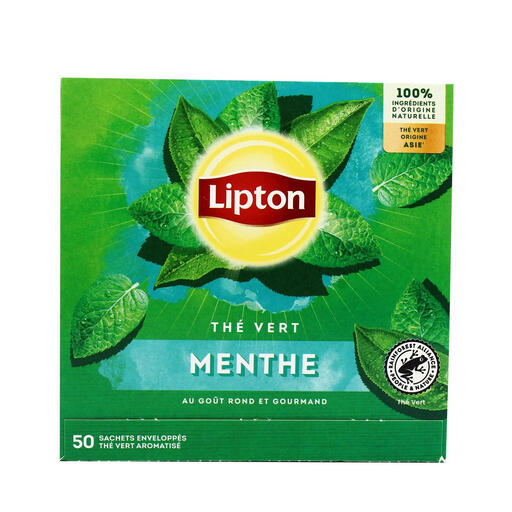 Image unavailable
Lipton Mint Green Tea, x50, 80 g
To enjoy mint-flavoured green tea with your afternoon snack, if you’re happy with the caffeine naturally found in tea.
The product description specifies x50, 80 g. The mint flavour doesn’t mean the tea is decaffeinated.
View on Joybuy
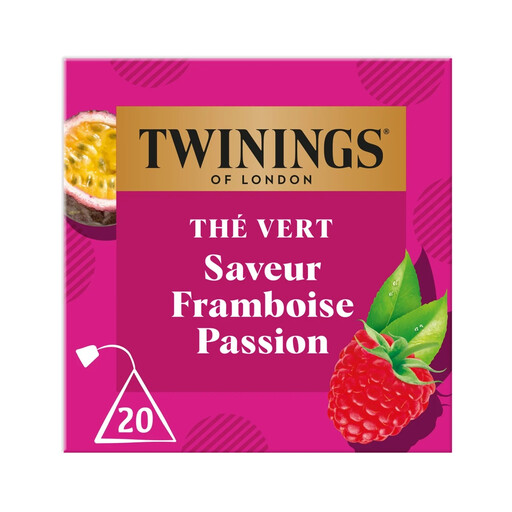 Image unavailable
Twinings Raspberry and Passion Fruit Green Tea, 20 tea bags, 32 g
For a break when you’d prefer fruity green tea to a plain variety.
The product description states 20 tea bags, 32 g. The flavouring doesn’t mean the tea is decaffeinated.
View on Joybuy
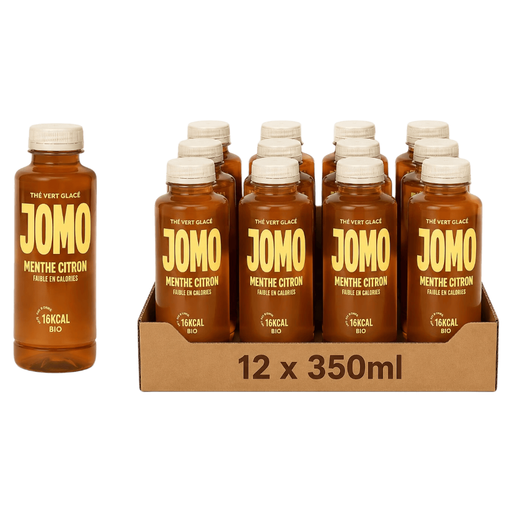 Image unavailable
JOMO Lemon and Mint Iced Green Tea, 12 × 35 cl
For a cold drink that doesn’t need brewing, this product comes as bottled iced green tea.
The pack contains 12 bottles of 35 cl. Check the ingredients and nutritional information, including sugars, on the packaging. If decaffeination matters to you, check separately for an explicit label.
View on Joybuy
Frequently asked questions
Is regular green tea caffeine-free?
No: according to ANSES, tea naturally contains caffeine. An ‘organic’ label or added flavour doesn’t mean regular green tea is decaffeinated.
Does ‘decaffeinated’ mean ‘caffeine-free’?
The word ‘decaffeinated’ on its own doesn’t tell you exactly how much caffeine remains. If that amount matters to your choice, look for a figure on the packaging or ask the manufacturer.
How should you prepare green tea for an afternoon snack?
Follow the instructions for your chosen product, as they can vary. For the relevant Twinings green teas, Twinings France recommends 200 ml of water at 90 °C and around three minutes’ brewing time. These instructions don’t automatically apply to other teas.
Is a green tea blend with mate or guarana suitable if I want to reduce my caffeine intake?
Don’t choose it for this reason without checking its ingredients and caffeine information. The YATE product listed by E.Leclerc contains green tea, mate and guarana, among other ingredients, while ANSES identifies tea and guarana as plants that naturally contain caffeine.


