Fans of plain green tea
If you want to appreciate the character of the tea itself, start with a recipe whose ingredients list contains nothing but green tea. Brewing instructions matter too, as they vary from one product to another.


Choose plain green tea if you want to enjoy the taste of tea without added flavouring, a mint recipe if freshness is what you’re looking for, or a flavoured blend if you value variety. To compare products, check the full ingredients list and brewing instructions rather than relying on the blend’s name alone. You should also bear in mind that tea naturally contains caffeine.
If you want to appreciate the character of the tea itself, start with a recipe whose ingredients list contains nothing but green tea. Brewing instructions matter too, as they vary from one product to another.
A minty cup could suit everyday drinking or a cold brew. It’s worth comparing the amount of mint leaves and whether flavouring is included, though: the name ‘mint green tea’ alone doesn’t tell you how the recipe is balanced.
Mint and cucumber or lime and ginger offer a different taste from plain tea. When choosing, check which plants and flavourings are blended with the green tea, rather than relying on the flavour highlighted on the front of the pack.
Start by deciding how much prominence you want to give to the taste of the tea, mint or other flavours. Then compare the ingredients and product-specific information.
Choose this if: you want a recipe centred on tea, with no mint or added flavouring.
Bear in mind: the taste of the tea is less masked, and steeping time affects the result in your cup.
Choose this if: a refreshing mint flavour is part of what you’re looking for in your cup.
Bear in mind: depending on the recipe, the mint may be more prominent than the taste of the tea.
Choose this if: you want to explore different flavours with fruit, spices or other plants.
Bear in mind: the recipe may be less like a simple green tea, so you’ll need to check the ingredients list more carefully.
| What matters | What to check | Who is it for? |
|---|---|---|
| Taste of the tea | The ingredients list and brewing instructions for a plain recipe. | If I want to recognise the tea’s character in my cup, I look for a recipe without added flavouring; around 25% of consumers make this their priority. |
| Refreshing mint flavour | The proportion of green tea, the mint leaves and any flavourings listed; for a cold drink, check the preparation instructions. | If I want the mint to stand out in my cup, I want to choose how strong it is without losing sight of the tea; around 31% of consumers put this freshness first. |
| Variety of flavours | The proportion of green tea and the full list of added plants and flavourings. | When I want to try a different flavour, I prefer to know what’s in the blend beyond the fruit or spice highlighted on the pack; around 25% of consumers prioritise this discovery. |
| On-pack claims | What each organic, fair trade or origin claim means, as well as the ingredients and net quantity. | If origin or certification guides my purchase, I want to distinguish this information from where the tea was packed; around 19% of consumers make it their main criterion. |
Twinings France lists 20% mint leaves in its Thé Vert à la Menthe, while the Terra Etica product listing featured by Carrefour states 40% Nana mint. These recipes give mint a different share of the blend.
Compare the percentages and check whether flavouring is included if you want the green tea to remain recognisable.
Some recipes combine green tea with maté or guarana. Anses points out that tea and guarana naturally contain caffeine, so the flavour shown on the pack doesn’t tell you all the plants you’re consuming.
Read the ingredients list, particularly if you’re keeping an eye on your caffeine intake later in the day.
These claims refer to different product characteristics. For example, information about where a product was packed doesn’t, on its own, tell you where the tea leaves came from.
Check each claim separately on the pack, along with the ingredients list and net quantity.
Instructions vary by product: Auchan recommends 2 to 3 minutes for its plain organic green tea, Twinings France specifies 3 minutes at 90 °C for Simplement Pur, and Kusmi Tea recommends 3 to 4 minutes at 75 °C for its mint and cucumber green tea.
Start with the instructions for the product you’ve bought, then adjust the preparation to suit the result you want.
These examples show different recipes and formats to compare product by product; they don’t represent the full ranges offered by these brands and retailers.
A plain organic tea bag option to consider if you’re looking for a recipe made up solely of green tea.
Plain, mint and flavoured options to compare by recipe.
An option for anyone looking for a less familiar pairing of green tea and flavourings.
A retailer where you can compare own-brand recipes with other products.
A retailer where you can compare plain organic green tea with mint or flavoured recipes.
These products let you compare plain green tea, matcha blends, two mint recipes and a fruit-flavoured option. First choose the type of blend you’re interested in, then check the format and product information on the specific listing.
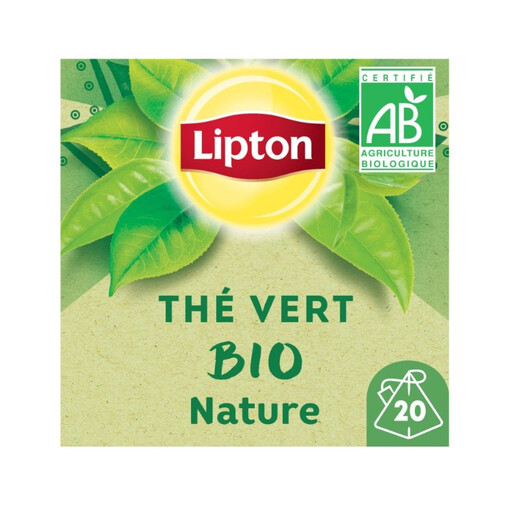 Image unavailable
Worth considering if you’re looking for plain green tea in tea bags rather than a mint or fruit blend.
Listed format: 20 tea bags, 28 g.
 Image unavailable
Consider this if you’re looking for a recipe that combines mint and matcha rather than plain green tea.
Listed format: 20 tea bags. Check the full ingredients list to see how much of each ingredient is in the blend.
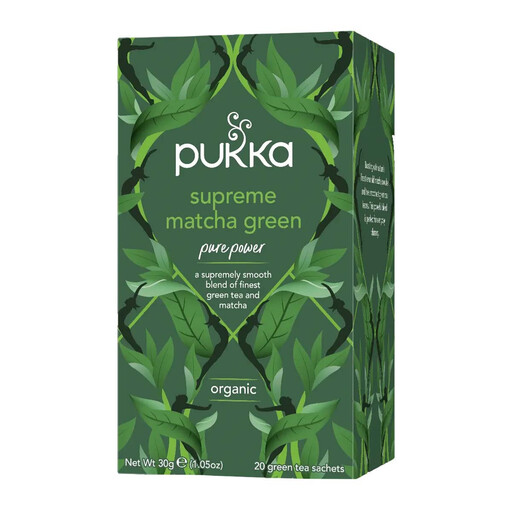 Image unavailable
An option to compare with plain green teas if you’re looking for a recipe that also includes matcha.
Listed format: 30 g. Check the brewing instructions for this product before preparing it like another green tea.
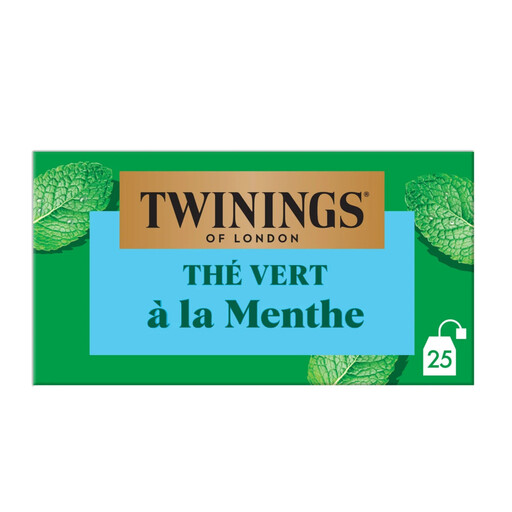 Image unavailable
Compare this with other mint green teas if you’re looking for a tea bag option.
Listed format: 25 tea bags, 50 g. Check the composition and brewing instructions on the pack for this product.
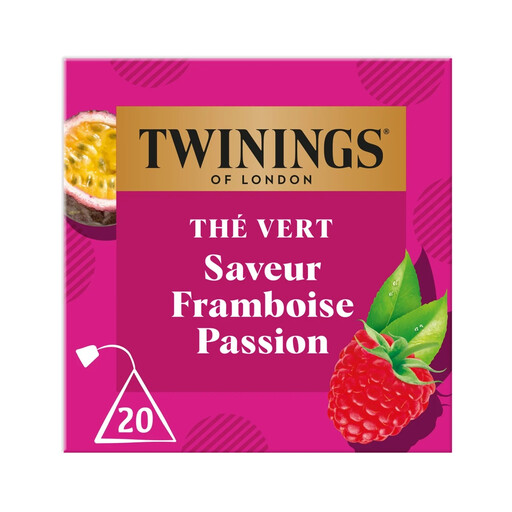 Image unavailable
Worth a look if you’d prefer to try green tea with raspberry and passion fruit flavours.
Listed format: 20 tea bags, 32 g. Read the ingredients list to distinguish flavourings from the other components of the recipe.
Start with the product name, ingredients list and net quantity to find out which recipe you’re buying. The DGCCRF states that the labelling on prepacked food must be legible and written at least in French; any allergens present must be highlighted. Also check the date and product-specific instructions.
No: a higher proportion of mint indicates a different composition, not better quality. Twinings France lists 20% mint leaves in its Thé Vert à la Menthe, compared with 40% Nana mint in the Terra Etica product featured by Carrefour. Choose according to how much you want the taste of the tea to come through.
No, the proportion depends on the recipe. Kusmi Tea states that its mint and cucumber blend contains 90% green tea, while Twinings France lists 51% green tea in its lime and ginger recipe. Check the full ingredients list for the product you choose.
The caffeine naturally present in tea may be a factor in your choice. Anses states that caffeine can delay falling asleep and reduce the duration or quality of sleep. Take your sensitivity into account, along with any other caffeinated drinks you’ve had that day.
No: these claims refer to different things, and where the tea is packed doesn’t, by itself, tell you where it comes from. For example, Auchan states that the organic green tea in its plain recipe is of Asian origin. Read each claim in context on the pack of the product you’re interested in.