Teams responsible for serving drinks
Catering, hospitality or activities teams may be looking for a tea that is easy to prepare by the cup, has clearly identifiable ingredients and is not confused with a blend of several plants.


For serving to a group in a care home, plain green tea in bags with a straightforward ingredients list is a good starting point. Flavoured tea can be offered to residents who enjoy it. Blends containing maté or guarana call for particular attention to their ingredients and any individual guidance. If there is advice about iron or caffeine, agree the serving time with the team as well.
Catering, hospitality or activities teams may be looking for a tea that is easy to prepare by the cup, has clearly identifiable ingredients and is not confused with a blend of several plants.
If there is individual guidance relating to caffeine, hydration, medication or mealtimes, the choice of tea and when it is served should be agreed with the relevant team.
A mint or lemon version can offer an alternative to plain tea. Ask the residents concerned what they prefer rather than assuming everyone likes the same thing.
For meals in a care home, first distinguish between plain tea, flavoured tea and blends containing several plants. Then consider when each drink would be served.
Consider it: when a simple ingredient list makes it easier to choose a drink for serving to a group.
Bear in mind: tea contains caffeine, and not everyone will enjoy the plain flavour.
Consider it: if you want to offer a mint or lemon flavour to residents who prefer it.
Bear in mind: added ingredients vary by recipe. Flavouring does not change the precautions that apply when tea is served with a meal.
Consider it: only if its ingredients are suitable for the serving guidance and individual needs assessed by the relevant team.
Bear in mind: maté and guarana add other plants that naturally contain caffeine. This blend is not automatically a substitute for plain green tea.
| Criterion | What to check | Who is it for? |
|---|---|---|
| Guidance relating to meals | Check with the team for any guidance on iron, caffeine and serving times. Assurance Maladie states that drinking tea with a meal reduces the absorption of iron from plant-based foods. | If nutritional or medical guidance takes priority over taste, I want the drink and its serving time to fit that advice. Around 36% of consumers concerned would put this compatibility first. |
| Hydration and timing | Plan tea alongside the drinks included in the home’s routine, particularly during hot weather. The national information portal for older people advises avoiding drinks with a high caffeine content at these times. | When planning drinks for the day, I don’t want tea to be the only answer to hydration needs. Timing and the drinks on offer would be the priority for around 29% of consumers concerned. |
| Enjoyable taste | Distinguish plain tea from flavoured varieties, then ask the residents concerned what they think rather than assuming they all have the same preference. | If plain tea isn’t enjoyed, I’d like to be able to offer another flavour without imposing it. Taste would be the priority for around 21% of consumers concerned. |
| Ingredients | Read the full ingredients list to tell plain green tea apart from a recipe that includes maté or guarana, for example. | For regular service, I want to know exactly which plants are included rather than relying on the words “green tea” alone. Around 14% of consumers concerned would make this clarity their first criterion. |
According to its product listings, Auchan offers both organic green tea made solely from green tea and a recipe that includes green tea, maté and guarana.
Read the full ingredients list before swapping one product for another as part of your usual service.
Assurance Maladie states that drinking tea with a meal reduces the absorption of iron from plant-based foods.
If a resident has guidance relating to iron, agree the serving time with the care and catering teams.
During hot weather, the national information portal for older people recommends avoiding drinks with a high caffeine content, including tea.
Continue to offer the drinks planned by the care home for hydration, and adapt the tea on offer to individual guidance.
A brewed drink and a concentrated green tea supplement are not used in the same way. The European Food Safety Authority distinguishes between them in its assessment of catechins.
When choosing a drink to serve, compare teas intended for brewing and don’t substitute a supplement for a cup of tea.
A range of green teas in bags, including Classic Green Tea.
Twinings’ range includes plain, mint and lemon green teas.
The retailer’s green tea range includes recipes with different ingredients.
Yate includes a green tea with mint.
The brand offers a green tea with mint in bags.
These tea bags offer a choice of plain green teas, a hojicha and two flavoured Lipton varieties for serving by the cup. Choosing one for a resident will still depend on their preferences and the care home’s guidance.
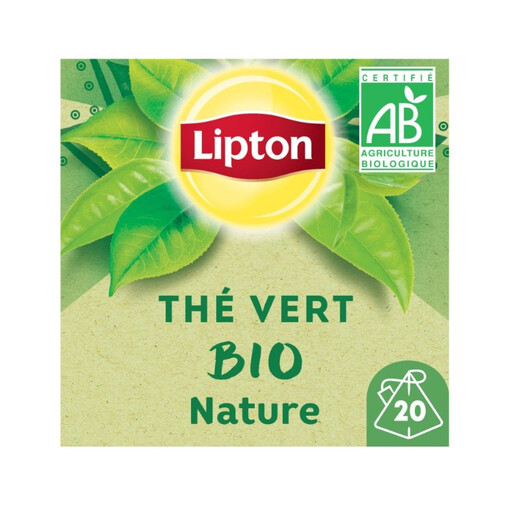 Image unavailable
A plain green tea in bags to consider for making individual cups.
Before serving it to a resident with guidance about caffeine or mealtimes, check the serving time with the team.
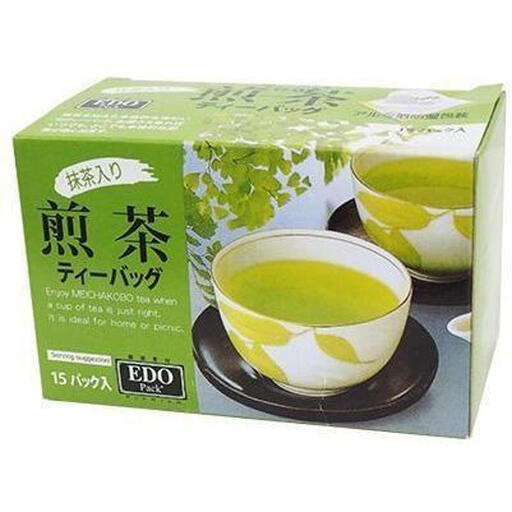 Image unavailable
A sen cha option in tea bags, offering a different style of green tea by the cup.
Follow the preparation instructions on the packaging and any individual guidance about serving tea.
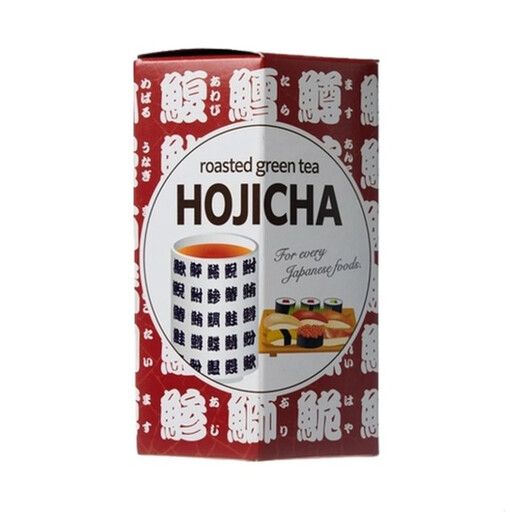 Image unavailable
A hojicha in tea bags for adding variety to the teas served by the cup.
Check the brewing instructions on the packaging before preparing tea for a group.
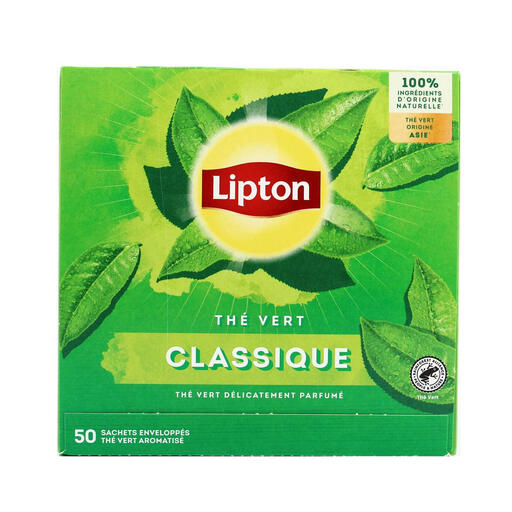 Image unavailable
A flavoured alternative to plain green tea, to offer if residents enjoy the taste.
Joybuy’s listing for this size states that it contains 94% green tea and 6% natural flavouring. Any guidance relating to caffeine or iron should still be taken into account when serving it.
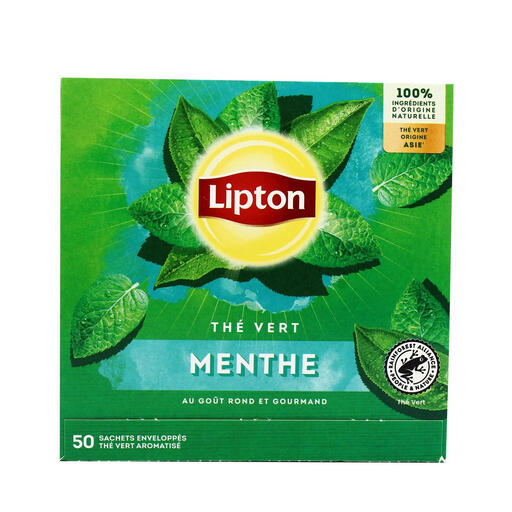 Image unavailable
A mint version to consider for residents who prefer this flavour to plain green tea.
Check the ingredients list and any individual guidance before adding it to the drinks service.
Not without taking individual guidance into account. Assurance Maladie states that drinking tea with a meal reduces the absorption of iron from plant-based foods. If a resident has guidance relating to iron, agree the serving time with the care and catering teams.
No. It cannot replace the drinks planned to support hydration. The national information portal for older people recommends drinking regularly and, during hot weather, advises avoiding drinks with a high caffeine content, including tea.
No. The ingredients in the blend need to be considered separately. For example, an Auchan product listing describes a recipe containing 17% maté and 3% guarana as well as green tea. Anses notes that these plants naturally contain caffeine, whose effects can vary depending on factors including a person’s health and certain medicines.
No. Tea brewed as a drink and a concentrated supplement have different uses. The European Food Safety Authority distinguishes between their catechin exposure profiles. When choosing a drink to serve with a meal, look at teas intended for brewing.