What should you look for in a brunch tea?
First, decide between the convenience of tea bags and making loose-leaf tea. Then choose whether you’d like to serve plain tea, a flavoured blend or both. If you need a particular type of container, check the product packaging separately: ‘in a box’ doesn’t tell you exactly what the container is.
| What to consider |
What to check |
Who is it for? |
| Serving several cups |
Compare the number of tea bags and the brewing instructions for the product you choose. For loose-leaf tea, you’ll need to measure it out and have a strainer or teapot. |
When several guests ask for tea at once, I’d rather make each cup without weighing out loose leaves. Around 42% of consumers would prioritise ease of serving. |
| Choice of flavours |
Check whether the blend is plain or flavoured, then choose options to suit your guests’ preferences. |
If everyone at the table has different tastes, I want to offer something other than just one plain tea. Around 33% of consumers would put flavour choice first. |
| Ingredients |
Read the full ingredients list, especially to distinguish tea on its own from blends containing flavourings, herbs or spices. |
Before serving a flavoured blend, I want to know what’s in it and whether it’s suitable for my guests. For around 25% of consumers, ingredients would be the top priority. |
Green teas to consider on Joybuy
These options let you compare plain green tea bags, a mint blend, hojicha tea bags and Gunpowder tea that you can measure out yourself. Choose according to how many servings you need and how you’d like to prepare the tea. If you want a jar, check the container for each product.
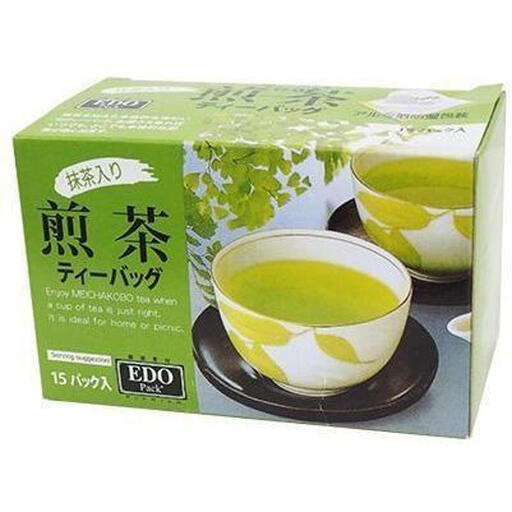 Image unavailable
HAMASA YUKI Sen Cha, 20 tea bags, 40 g
A tea bag option to consider if you want to serve tea without measuring loose leaves for each cup.
The product name lists 20 tea bags, weighing 40 g in total.
View on Joybuy
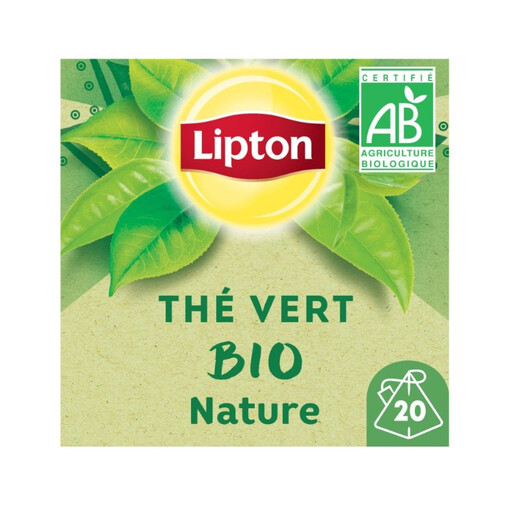 Image unavailable
Lipton Organic Green Tea Plain, 20 tea bags, 28 g
Tea bags to consider if you’d like to offer a plain green tea option at brunch.
The listed pack contains 20 tea bags, weighing 28 g in total. Compare this with the number of cups you’re planning to serve.
View on Joybuy
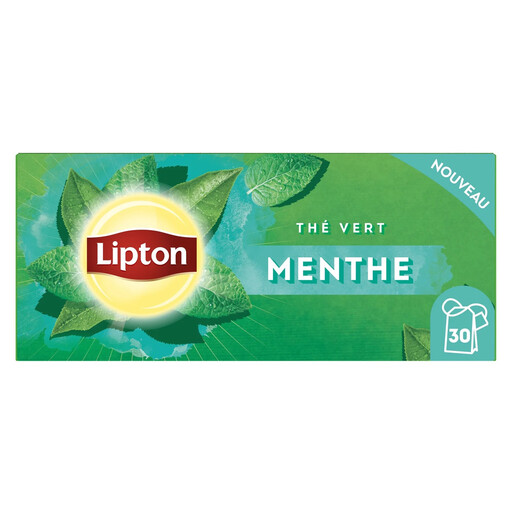 Image unavailable
Lipton Green Tea & Mint x30, 48 g
A mint option if you’d like to offer a flavour that’s different from plain green tea.
The product name lists x30 and 48 g. Check the number of tea bags on the product page and packaging before planning how many to serve.
View on Joybuy
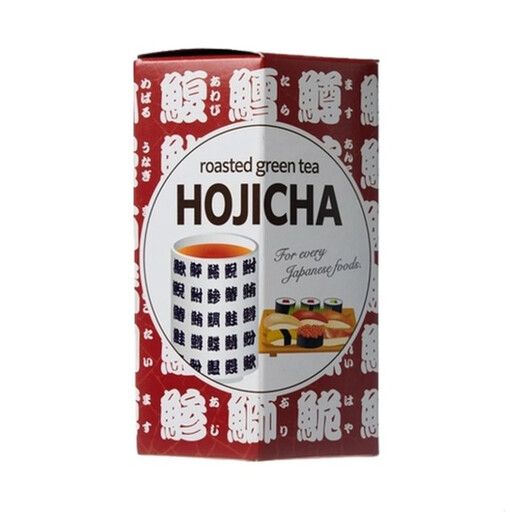 Image unavailable
Otsuka Yunomi Hojicha, 10 tea bags, 30 g
Hojicha is worth considering if you’d like to add this roasted green tea to your drinks selection.
The product name lists 10 tea bags, weighing 30 g in total. Bear this in mind if several guests are likely to ask for it.
View on Joybuy
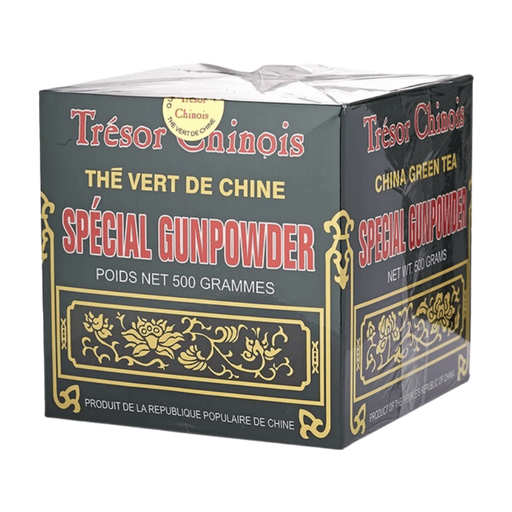 Image unavailable
CAP Gunpowder China Green Tea, 250 g
Worth considering if you’d rather measure tea for a teapot than serve individual tea bags.
The product name lists 250 g. You’ll need to strain the leaves, and check the container if you’re looking for a jar.
View on Joybuy
Frequently asked questions
How can you tell added ingredients apart from flavouring?
Read the ingredients list for the product you’ve chosen to identify any listed herbs, spices and flavourings. The DGCCRF says flavourings must appear in this list; an image of fruit or a plant on the packaging isn’t enough to tell you what the product contains.
How long should brunch tea be brewed for?
Follow the instructions for the tea you’re serving rather than using one brewing time for every green tea. Twinings recommends 3 minutes for ‘Simply Pure Green Tea’; Carrefour’s listing for Lipton Classic Green Tea recommends 2 minutes, using 200 ml of water at 90 °C for this product.
What should you check on the packaging of pre-packed green tea?
Start by checking the product name, ingredients list, net quantity and stated date, then look at any preparation instructions that will help you serve it. To tell plain tea apart from a flavoured blend, pay particular attention to flavourings and any other listed ingredients.
Does caffeine still count if you’re serving coffee?
Yes. Take account of all sources of caffeine, not just tea. The European Food Safety Authority assesses caffeine intake from all sources; without knowing how much caffeine is in each drink being served, a general guideline can’t tell you how many cups are right for each person.


