Fans of subtly flavoured green tea
If you want the tea to remain the main attraction, a short ingredients list is a good place to start. Twinings Pure Green Tea, for example, lists green tea as its only ingredient.


For a weekend breakfast, choose plain green tea if you want the flavour of the tea leaves to take centre stage, a mint blend if you’re after a refreshing, minty note, or a citrus and spice recipe if you prefer more pronounced aromatic ingredients. Read the ingredients list rather than relying on the blend’s name alone, then follow the brewing instructions for the product you choose: ingredient proportions and preparation guidance vary from one product to another.
If you want the tea to remain the main attraction, a short ingredients list is a good place to start. Twinings Pure Green Tea, for example, lists green tea as its only ingredient.
You’re looking for a minty note to go with breakfast and are happy for mint or mint flavouring to feature in the recipe. Compare the ingredients: the blends reviewed here contain different proportions of tea and mint.
For a leisurely breakfast, you might prefer a recipe that combines green tea with citrus, lemongrass or ginger. The stated proportions help you tell these blends apart from tea that is simply flavoured with lemon.
Start with the flavour you want in your cup, then compare the ingredients lists of the recipes that match. A name such as ‘lemon’ or ‘mint’ doesn’t tell you on its own how much green tea or other ingredients the blend contains.
| What to consider | What to check | Who is it for? |
|---|---|---|
| How prominent the green tea is | The ingredients list and the proportion of green tea, if stated. | If I want to taste the tea rather than an added flavour, I look for a recipe where the other ingredients don’t dominate. Around 40% of consumers would put this fresh, leafy taste first. |
| Refreshing mint | The types of mint and their stated proportions, as well as whether mint flavouring is included. | If I want a minty cup with breakfast, I prioritise that refreshing note over the taste of the tea alone. This freshness would be the main consideration for around 30% of consumers. |
| Citrus and spice | Whether the blend contains peel, lemongrass, ginger and flavourings, as well as the proportion of green tea. | When I fancy a citrusy or spiced recipe, the added ingredients matter more to me than a simple blend. Around 30% of consumers would prioritise this variety of flavours. |
Two lemon blends can have very different ingredients. Product information from Twinings France and Auchan lists 51% green tea for Twinings Lime & Ginger and 92% for Lipton Organic Lemon Green Tea respectively. These figures describe the ingredients, not the taste in the cup.
Compare the ingredients list and stated proportions to choose how prominent you want the tea and aromatic ingredients to be.
Instructions vary from one product to another. The product guidance reviewed here ranges from 2 minutes at 90 °C for Lipton Lemon to 3 or 4 minutes at 90 °C for Twinings Pure Green Tea.
Start with the brewing time and temperature on the tea you’ve bought, then adjust to suit your taste.
Tea naturally contains caffeine, as the Anses (French Agency for Food, Environmental and Occupational Health & Safety) points out. Adding mint, lemon or ginger doesn’t mean the blend is caffeine-free.
If caffeine is a factor in your decision, take the product’s ingredients into account alongside any other caffeinated drinks you have.
A useful range for comparing plain green tea with a lime and ginger blend.
Tea bags worth comparing if you’re choosing between a citrus blend and a mint one.
A tea-bag option to consider when comparing the ingredients in mint green tea.
A lemon recipe to consider if you want to compare green tea, flavourings and peel.
These products cover three breakfast options: plain green tea, mint blends, and recipes with citrus or ginger. First choose the profile that appeals to you, then check the ingredients and preparation instructions for the product you’ve picked.
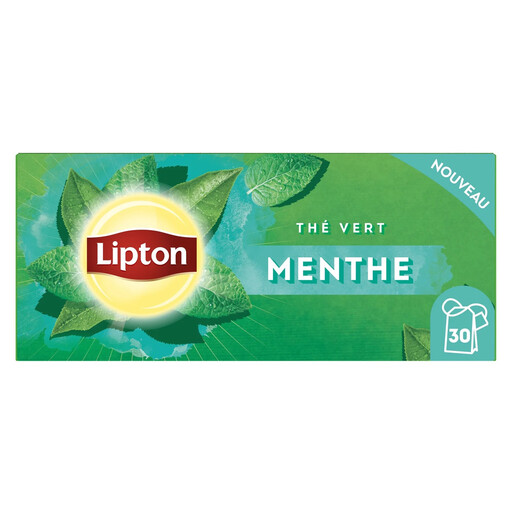 Image unavailable
Worth considering if you’re looking for mint green tea to enjoy with breakfast. If you prefer the taste of tea on its own, compare it with a plain green tea instead.
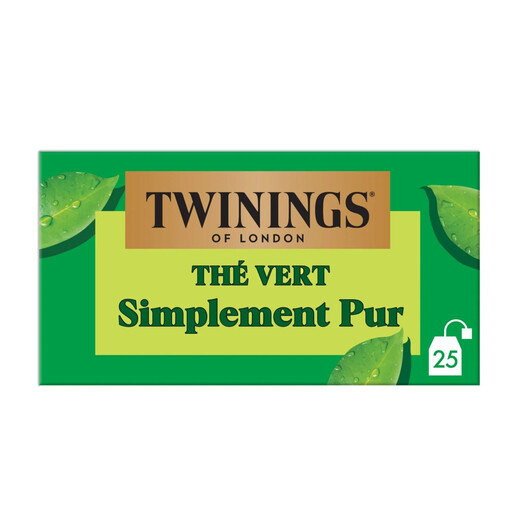 Image unavailable
A plain option if you’re not looking for mint or citrus. Check the brewing instructions for this product before making your cup.
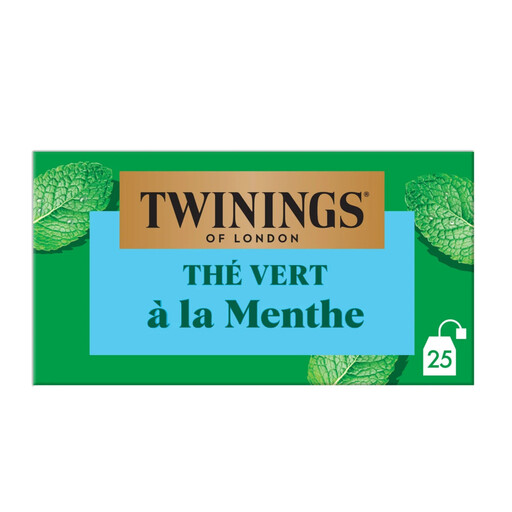 Image unavailable
Another mint option for individual cups at breakfast. To compare it with other mint blends, check their ingredients lists and follow the brewing instructions on each box.
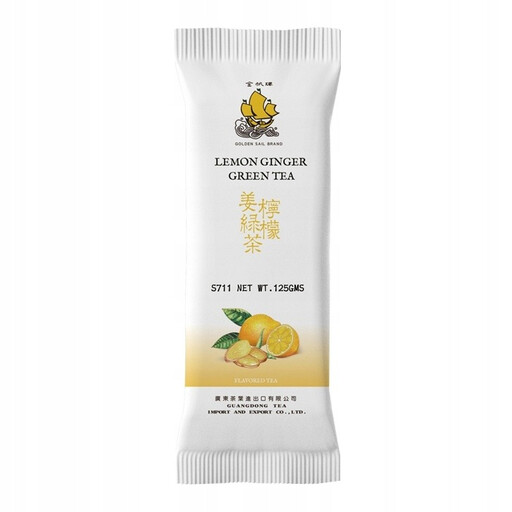 Image unavailable
For anyone who wants to pair lemon and ginger with green tea rather than choose a plain recipe. If the balance of ingredients matters to you, check their proportions on the label.
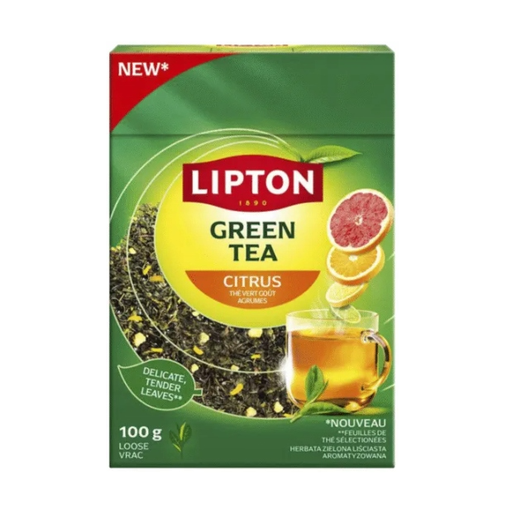 Image unavailable
A loose-leaf green tea with citrus for anyone who prefers this format to tea bags. You’ll need to strain the tea, and should check the ingredients and preparation instructions on the packaging.
Read the ingredients list: a product such as Twinings Pure Green Tea lists green tea as its only ingredient, while a blend may also contain mint, citrus, ginger or flavourings. Check the proportions too, if they’re shown on the packaging. The flavour name alone doesn’t tell you what’s in the recipe.
First follow the brewing time given for the product you’ve bought, as it varies between teas. The guidance reviewed here is 2 minutes at 90 °C for Lipton Organic Lemon Green Tea, 3 to 4 minutes at 90 °C for Twinings Pure Green Tea, and 2 to 3 minutes at between 75 and 90 °C for 1336 Lemon Green Tea.
You shouldn’t assume that a flavoured green tea blend is caffeine-free: the Anses (French Agency for Food, Environmental and Occupational Health & Safety) notes that tea naturally contains caffeine. If this matters to you, don’t assume you know how much caffeine is in a cup from the flavour name alone.
Check the product name, ingredients list, net quantity and relevant date, among other details. The French Directorate-General for Competition Policy, Consumer Affairs and Fraud Control states that labelling information must be visible, legible and written at least in French.