Anyone organising a short break
You want to prepare individual cups without weighing loose tea. The number of tea bags in each box and the brewing time matter just as much as the flavour.


For serving several people one cup at a time, individual tea bags save you having to measure loose tea. If you’re planning to buy more than one box, pair a classic or mint green tea with a lemon or floral blend, depending on the group’s preferences. Keep ginger blends for those who enjoy that flavour. Check the ingredients and brewing instructions for each product, and have a caffeine-free drink available too.
You want to prepare individual cups without weighing loose tea. The number of tea bags in each box and the brewing time matter just as much as the flavour.
You want to avoid making the whole group rely on just one flavour. A second, lemon or floral blend can complement a mint option.
You need to be able to check the ingredients and allergens before serving the group. The Anses reminds us that tea naturally contains caffeine, so it’s useful to offer an alternative for anyone who prefers to avoid it.
For a meeting break, start by choosing how you’ll serve the tea, then decide which flavours to offer. Next, compare the ingredients and instructions for the products you’ve shortlisted.
| Criterion | What to check | Best for |
|---|---|---|
| Quick serving | Number of tea bags per box and the brewing time given for each product. | When cups are made individually during a short break, I want to avoid measuring loose tea; around 36% of consumers would make quick serving their priority. |
| Main flavour | Mint, classic or lemon flavour, followed by the list of herbs and flavourings. | If I’m opening just one box, I’m looking for a flavour the group will enjoy sharing; this would be a priority for around 29% of consumers. |
| Choice of blends | Two distinct flavour profiles, such as mint and lemon or mint and jasmine. | When tastes differ, I’d rather offer a choice of two teas than several similar variations; around 21% of consumers would put variety first. |
| Ingredients and caffeine | Ingredients list, declared allergens and the availability of a caffeine-free drink. | Before serving a group whose preferences I don’t know, I want to be able to check the ingredients and offer another drink; this would be the main concern for around 14% of consumers. |
Not everyone who enjoys classic or mint green tea will necessarily like a ginger or jasmine blend.
For a meeting with varied tastes, choose one option to start with, then add a different flavour if you need more than one box.
Two lemon green teas can contain different proportions of tea, herbs and flavourings. For example, Twinings lists 87% green tea in its lemon blend and 51% in its lime and ginger blend.
Read the full ingredients list if the composition is important to your choice.
Brewing times can vary from one blend to another, so instructions for one product won’t necessarily apply to the rest.
Keep each box’s instructions close to the cups and kettle.
According to the Anses, tea naturally contains caffeine, which is worth bearing in mind if you don’t know the participants’ preferences.
Offer water or a caffeine-free drink too, rather than assuming green tea will suit everyone.
These products give you examples of ingredients and formats to compare for a meeting. The details below apply to the products named, not every range from each brand.
Green tea bags, including a mint option and a classic option in boxes of 50.
Green tea blends with lemon, mint and lime, or lime and ginger.
A mint green tea in a box of 25 tea bags, worth comparing with the number of cups you’re planning to serve.
A mint green tea in a box of 25 tea bags.
Yate mint and mate options, with tea bag formats to compare depending on your meeting.
These tea bags make it easy to serve one cup at a time, with a classic option, mint or lemon blends, and a floral jasmine choice. Choose the number of boxes based on how many cups you need to prepare and which flavours you’d like to offer.
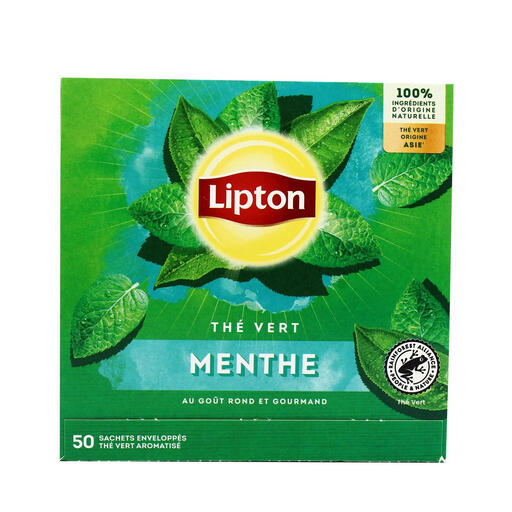 Image unavailable
Worth considering if you’re serving mint green tea in individual cups. The box contains 50 tea bags; offer another flavour if mint won’t suit the whole group.
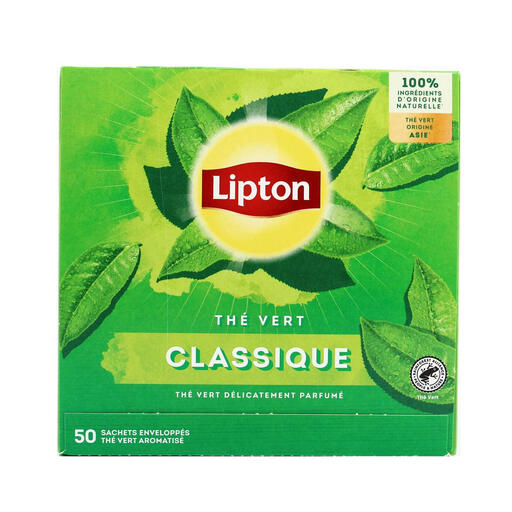 Image unavailable
An option to consider alongside a flavoured blend. The box contains 50 tea bags; the Joybuy listing gives the ingredients as 94% green tea and 6% natural flavouring, without specifying the flavouring.
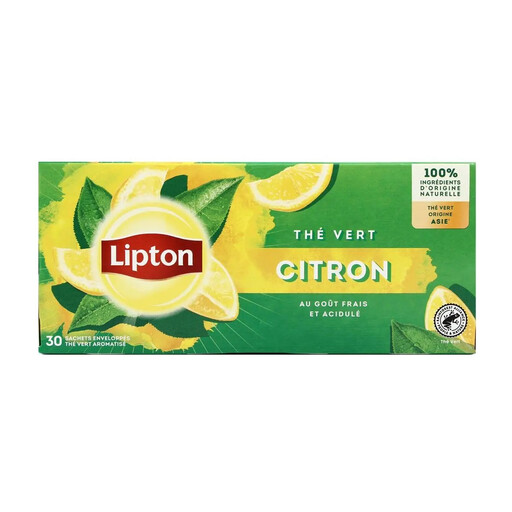 Image unavailable
A lemon-flavoured option to offer alongside another box. It contains 30 tea bags and weighs 48 g; check the brewing instructions for this product to help plan your serving.
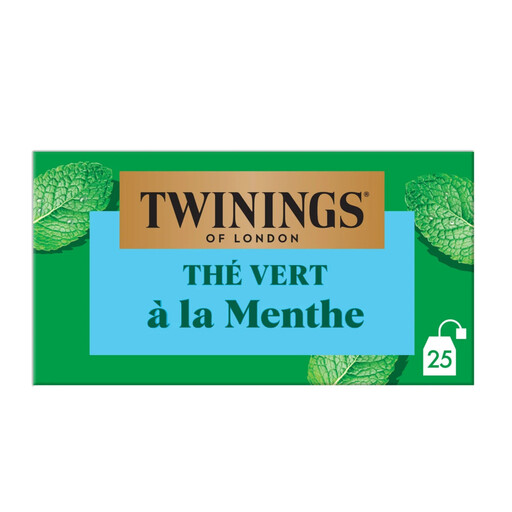 Image unavailable
Another mint option for individual cups. The box contains 25 tea bags and weighs 50 g; check its brewing instructions before setting one shared brewing time for the break.
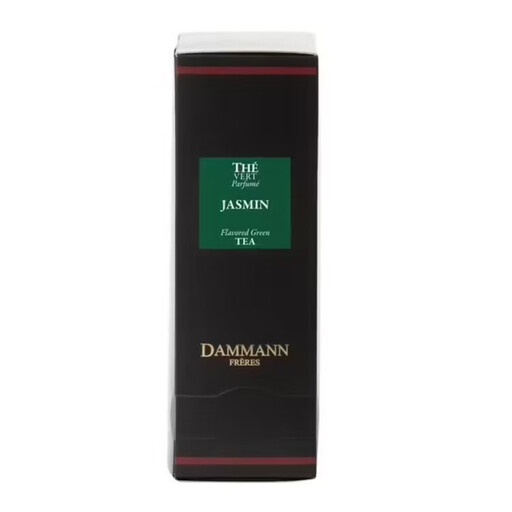 Image unavailable
A jasmine option to consider as an alternative to mint or lemon blends. The box contains 24 tea bags and weighs 48 g; check the brewing instructions before serving.
Tea bags are convenient when everyone is making their own cup, with no need to weigh or strain the leaves. Loose tea is still an option if you have a teapot, a strainer and time to measure it out. Either way, follow the instructions for the product you choose.
Two different flavour profiles can be useful when the group has varied tastes. For example, pair a classic or mint option with a lemon or jasmine blend. A ginger blend is better as an extra choice for anyone who enjoys that flavour.
Offer a caffeine-free drink as well as green tea. The Anses reminds us that tea naturally contains caffeine, so don’t assume that a different blend, including one with mate, will suit someone who wants to avoid it.
Check the ingredients list on the packaging before serving the product. The DGCCRF states that allergenic ingredients must be clearly highlighted; also check the herbs and flavourings if their composition matters to the group.