For an individual cup
You want to make a cup without a teapot and are specifically looking for a pyramid tea bag. Check the format listed for the product you choose: attractive packaging alone doesn’t confirm it.


Choose a pyramid tea bag if its shape matters to you and you like the flavour on offer. Retailers describe the bags as giving the leaves more room, but that doesn’t guarantee a better cup. A standard tea bag can work just as well for your regular brew: check the ingredients, the number of bags and the brewing instructions for the product you choose. Muslin tea bags are another option, but they’re not the same as pyramid bags.
You want to make a cup without a teapot and are specifically looking for a pyramid tea bag. Check the format listed for the product you choose: attractive packaging alone doesn’t confirm it.
You often have green tea in the middle of the morning and care more about how many tea bags are in the box and how easy the brewing instructions are to follow.
You want to distinguish plain green tea from flavoured varieties or blends with other plants. If you’re keeping an eye on your caffeine intake, remember to factor in your other drinks throughout the day.
For a quick break, start with the flavour and type of tea bag you want, then check the quantity in the box and the brewing instructions for that particular tea. A pyramid shape doesn’t replace these checks.
| What to consider | What to check | Who is it for? |
|---|---|---|
| Tea bag shape | Look for the words “pyramid tea bag” on the exact product listing; don’t assume “premium” means pyramid-shaped. | If I want to make an individual cup and particularly want a pyramid bag, I need to be able to identify the format before buying. Around 40% of consumers prioritise this combination of shape and convenience. |
| Number of tea bags | Compare the number of bags in each box and choose a quantity that suits how often you take a tea break. | When I make green tea several times a week, I prefer a box that suits my routine, so I don’t have to replace it too often. This is the main consideration for around 30% of consumers. |
| Flavour and ingredients | Read the ingredients list to tell plain green tea apart from recipes with mint, jasmine or added flavourings. | I might prefer a plain cup to a flavoured blend, even if both are labelled “green tea”. For around 20% of consumers, this flavour or ingredient preference matters more than the format. |
| Caffeine and other plants | Look out for blends containing ingredients such as mate or guarana, and consider your other sources of caffeine. | If I’m watching my caffeine intake, the ingredients in all my drinks matter more than the shape of the tea bag. Around 10% of consumers put this first. |
Retailers describe some Lipton Exclusive Selection products as pyramid tea bags, while Kusmi Tea describes its Vert Jasmin as being in muslin bags. These are two distinct descriptions.
If pyramid bags are a must, look for this wording in the details of the exact product rather than relying on the box’s appearance.
Carrefour’s listing for Lipton Thé Vert Classique states that it contains 94% green tea and 6% natural flavouring. Twinings lists only green tea as an ingredient in Thé Vert Simplement Pur.
For a plain cup, check that the ingredients match what you’re looking for. For a flavoured recipe, check which plants and flavourings have been added.
Auchan Thé vert aromatisé et maté contains green tea, mate, rooibos and guarana, among other ingredients. It’s therefore more than just green tea.
Read the full ingredients list, particularly if you’re keeping track of several sources of caffeine throughout the day.
These products showcase different formats and recipes. Check the specific product rather than assuming a brand uses the same tea bag across its whole range.
Compare Exclusive Selection pyramid tea bags with standard green tea bags, taking the recipe into account.
Thé Vert Simplement Pur is worth considering if you’re looking for a recipe whose ingredients list contains only green tea.
Organic Vert Jasmin is for tea drinkers who like green tea with jasmine, presented in muslin bags.
The retailer offers green tea bags with different ingredients, including products from its own brand.
Green tea bag options to explore if a pyramid format isn’t your top priority.
These tea bags are suited to making an individual cup for your mid-morning break. If you specifically want a pyramid bag, check the shape of the product you’re interested in; the names below aren’t enough to confirm it.
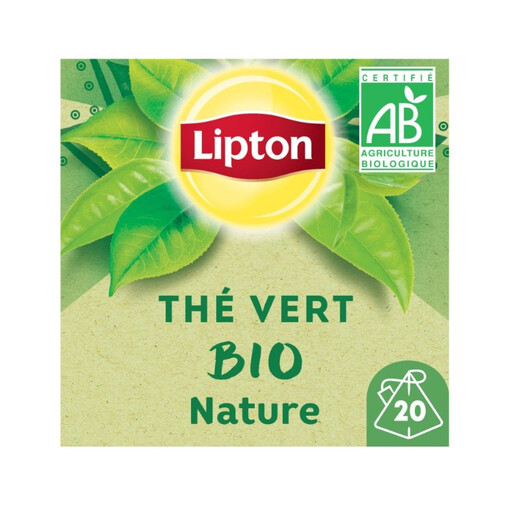 Image unavailable
Worth considering if you’re looking for a green tea labelled “Plain” for an individual cup. The box contains 20 tea bags; check their shape if pyramid bags are important to you.
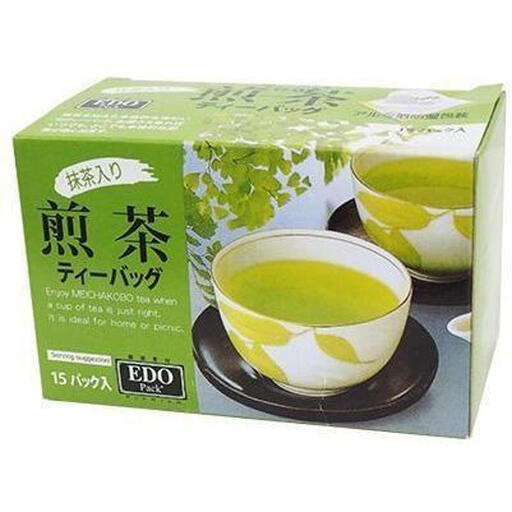 Image unavailable
Worth a look if you’d like to make Sen Cha using a tea bag during your break. The name indicates 20 tea bags; check their shape and the brewing instructions for this product.
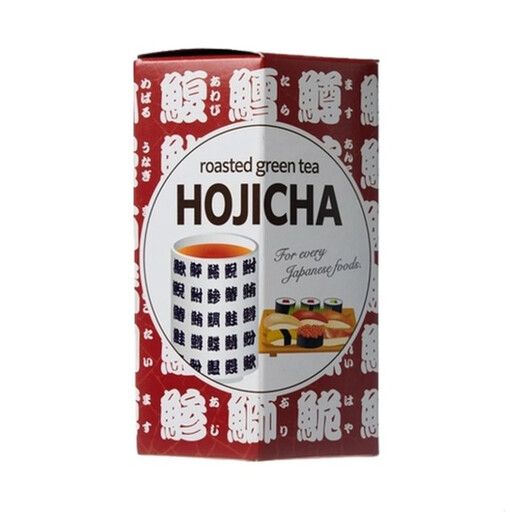 Image unavailable
Worth considering if you’re looking for Hojicha in individual portions rather than plain green tea. The name indicates 10 tea bags; check their shape and the brewing instructions before choosing.
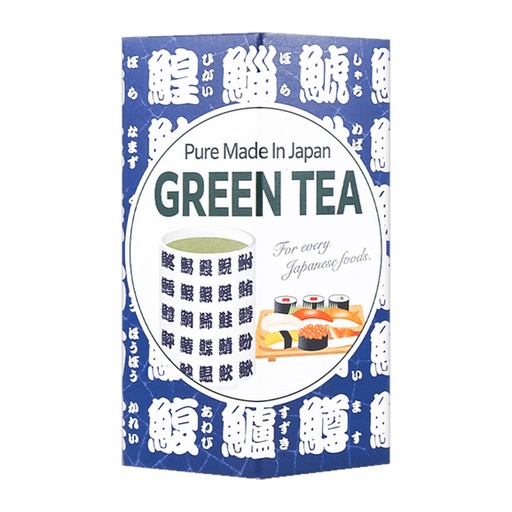 Image unavailable
Worth a look if you want to make a cup of green tea using a tea bag. Check the number of bags, their shape and the brewing instructions if these details affect your choice.
Follow the water temperature and brewing time given for the product you’ve chosen. For Lipton Thé Vert Classique, Carrefour and Auchan recommend 200 ml of water at 90 °C and two minutes’ brewing time. These instructions don’t automatically apply to other green teas.
No. The shape alone doesn’t guarantee a better cup. Bruneau and MaxiCoffee describe the room left for the leaves in the Lipton pyramid tea bags they feature. When choosing, take the recipe and brewing instructions into account too.
Consider the tea you drink as well as any other drinks containing caffeine throughout the day. Anses notes that caffeine occurs naturally in tea and other plants, including guarana. So check the ingredients in blends rather than assuming they’re plain green tea.
Check the product name, ingredients list and quantity to tell recipes and pack sizes apart. For pre-packed food sold in France, the DGCCRF also lists nutritional information and the date among the labelling details to consider, depending on the product.