What should you check before choosing?
For raclette, start by comparing products according to your priority — sugar figures, salt, ease of serving or ingredients — then choose between tinned, jarred and frozen options based on how much preparation you can plan for.
| Criterion |
What to check |
Who is it for? |
| Sugar figures |
Compare the “of which sugars” figures per 100 g for the specific products, then check their ingredients. You can’t infer this value from the format alone. |
If I’m comparing the sugars in side dishes, I want a clear figure on the same basis before deciding; around 33% of consumers would put this comparison first. |
| Salt |
Check the “salt” figure per 100 g and see whether salt is listed among the ingredients of the jar or tin. |
With cheese and cured meats on the menu, I’d rather keep an eye on the salt in this side dish; around 25% of consumers would make this their priority. |
| Serving and quantity |
Check the drained net weight of tinned beans, the cooking instructions for frozen beans and the storage guidance after opening. |
When guests are arriving soon, I want to be able to serve the amount I’ve planned and manage any leftovers; around 25% of consumers would prioritise this. |
| Origin and ingredients |
Check the stated origin and ingredients list for the product you’re buying. If an organic label or another claim matters to you, read its exact wording. |
When choosing green beans, I look first at where they come from or what’s been added; around 17% of consumers would have this priority. |
Green beans and prepared options to consider on Joybuy
These products include plain frozen green beans, tinned green beans and prepared options with other ingredients. For raclette, pay particular attention to the stated sugar and salt content, as well as how the product you choose needs to be prepared.
 Image unavailable
Bonduelle Extra-fine Frozen Green Beans 750 g
Worth considering if you want to portion out a frozen side dish and have space in your freezer. For this 750 g product, Bonduelle states 1.7 g of sugars and 0.01 g of salt per 100 g; make sure you allow time to cook it before serving.
The product may contain traces of celery. Check the label on the product you buy if this is relevant to you.
View on Joybuy
 Image unavailable
Bonduelle Extra-fine Green Beans 440 g
One tin to consider if you want to serve green beans without having to cook a frozen product. If salt is a factor in your choice, compare the figures per 100 g and the ingredients in this tin with those of a jar with no added salt.
View on Joybuy
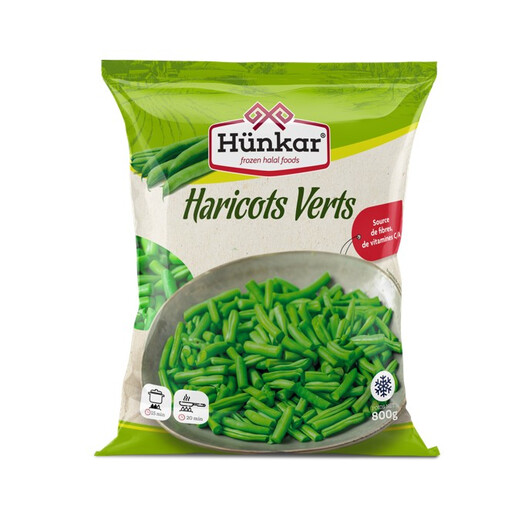 Image unavailable
HÜNKAR Green Beans 800 g
This 800 g frozen pack could suit you if you have space in the freezer and can prepare it before your raclette. Check the cooking instructions on the pack so you can plan when to serve it.
View on Joybuy
 Image unavailable
Cassegrain Extra-fine Green Beans with Onions 1/2 – 220 g
Consider this if a preparation with onions would work as a side dish, rather than plain green beans. To compare this 220 g pack with other products, check its salt content, ingredients and preparation instructions on the packaging.
View on Joybuy
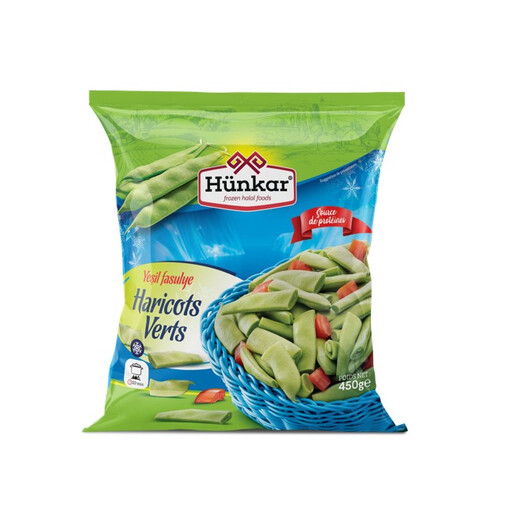 Image unavailable
HÜNKAR Green Beans 450 g
If you’re considering this 450 g frozen pack, check that its ingredients, which also include tomatoes, are right for the side dish you have in mind. Check the preparation instructions too before planning when to serve it.
View on Joybuy
Frequently asked questions
Should you look for “reduced sugar” green beans for raclette?
No. Start by comparing the “of which sugars” figure per 100 g for the products you’re interested in. The Bonduelle and Auchan products featured here show different figures; a claim on the pack doesn’t mean you can skip the nutrition information.
Tinned, jarred or frozen: which format is easiest to serve?
Tinned beans are already cooked, so they’re a good choice if you want to keep last-minute preparation to a minimum. A jar may suit you if you’re looking for ingredients with no added salt, depending on the product; frozen beans need to be cooked, and you’ll need space in the freezer.
How can you compare the salt in green beans?
Check the “salt” figure per 100 g and the ingredients list for the specific product. Several of the tinned products featured by Bonduelle, Auchan and d’aucy contain salt, while the Jardin Bio étic jar featured by Carrefour lists green beans and water as ingredients.
How many green beans should you allow per person?
Manger Bouger gives 80 to 100 g as a general guide for an adult portion of fruit or vegetables. For your raclette, adjust the amount according to the other sides you’re serving, and use the drained net weight shown on tins to estimate how many green beans you’ll have.
How should you store leftover green beans?
Follow the instructions for the product once opened or defrosted. For the tinned products featured by Bonduelle and Auchan, the guidance says to refrigerate leftovers and eat them within 48 hours of opening. For the featured Auchan frozen beans, the instructions say not to refreeze them once defrosted.


