Who are these criteria for?
Depending on whether your priority is the label, transport or ingredients, the same green beans can raise different questions before you set off.
People keeping an eye on sugar figures
You want to check the sugar content of plain vegetables without confusing a nutritional value with a claim that sugars have been reduced. Bonduelle’s nutrition information and the DGCCRF’s guidance can help you distinguish between the two.
Picnic planners without a reliable cool bag
You’re looking for a format that’s easy to transport unopened, and need to plan how to store prepared food. Anses recommends using an insulated bag to transport food that needs to be kept cold.
People who care about origin and ingredients
You want to check the stated origin, whether salt has been added, or whether a specific product is labelled organic. You can’t tell these details from the brand name alone.
Brands to consider
These examples highlight differences between specific products; they don’t describe every product from each brand.
Bonduelle
The brand offers, among other products, a tin of extra-fine green beans and an organic product stated to be of French origin.
- For the tinned product mentioned, Bonduelle lists the sugar and salt content, as well as storage instructions for after opening.
- Information about one product isn’t enough to describe the whole range as “reduced in sugars”.
Carrefour
The products described include pre-cooked frozen green beans and a Carrefour Classic’ tin, so you can compare two formats.
- Carrefour says its pre-cooked frozen product can be eaten hot or cold after preparation and advises storing it at −18 °C.
- To compare sugar content, check the nutrition information for each product rather than making generalisations about the brand.
D’Aucy
Carrefour lists a product of tinned extra-fine green beans.
- Carrefour’s product information lists green beans, water and salt, and states that these beans are grown in France.
- This information isn’t enough to support a claim that sugars have been reduced or to compare all D’Aucy tinned products.
Green beans to consider on Joybuy
These products include a tinned option to serve cold, as well as products to consider if you can manage the preparation and keep them cold. Check the exact ingredients for each product before choosing: they’re not all plain green beans.
 Image unavailable
Bonduelle extra-fine green beans 440 g
A tin to consider if you want to serve the beans cold. Check the sugar and salt figures for the product you choose, then plan how to keep it cold after opening.
View on Joybuy
 Image unavailable
Bonduelle extra-fine green beans 750 g
An option to consider if you can prepare the beans before your picnic. Check the cooking instructions and plan how to keep them cold during the journey and until you’re ready to serve.
View on Joybuy
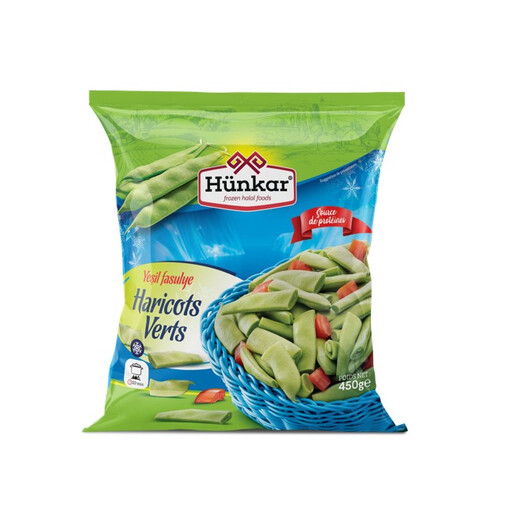 Image unavailable
HÜNKAR green beans 450 g
If you’re looking for plain green beans, check the ingredients for this product carefully, as it’s described as containing tomatoes. Also check the preparation instructions and how to keep it cold during the journey before taking it with you.
View on Joybuy
Frequently asked questions
Can you say “reduced in sugars” because green beans contain very little sugar?
No. A low figure on the “of which sugars” line isn’t enough to establish that sugars have been reduced. The DGCCRF explains that nutrition claims are regulated, so check the nutrition information and don’t infer a claim from the figure alone.
Tinned or pre-cooked frozen: which should you choose if you don’t have a cool bag for the journey?
An unopened tin is easier to transport if you can’t keep frozen food cold. After opening or preparation, though, you’ll need to plan how to store the dish. Anses recommends using an insulated bag to transport food that needs to be kept cold.
How long can you keep Bonduelle tinned beans after opening?
For the extra-fine green bean product in question, Bonduelle advises keeping it at no more than 4 °C and eating it within 48 hours of opening. If you prepare the beans before your picnic, make sure to keep them cold during transport too.
How should you transport prepared green beans for a summer picnic?
Keep prepared food that needs chilling cold and minimise the time it spends in transit. Anses recommends using an insulated bag; you should also follow the storage instructions for the product you’re using.


