Hosts keeping an eye on salt in the menu
If you’re also serving nibbles, cheese or sauces, check the salt content per 100 g and the ingredients list before choosing green beans as a side.


To cut down on salt in your side dish without complicating serving, choose a tin or jar with no added salt, comparing the ‘salt’ figure per 100 g with the ingredients list. Plain frozen green beans also let you choose the seasoning, but need cooking before the meal; it’s worth checking the same details before buying a standard tin containing salt.
If you’re also serving nibbles, cheese or sauces, check the salt content per 100 g and the ingredients list before choosing green beans as a side.
Plain frozen green beans let you choose the herbs and spices. They’re a good option if you can cook them before sitting down to eat.
You can drain and reheat a tin or jar. Compare the drained weight and salt content: a larger pack doesn’t, on its own, tell you anything about what’s in it.
For quick serving, compare tins with no added salt against standard tins using the same per-100 g basis. If you can allow time for cooking, plain frozen green beans give you another way to choose the seasoning.
| Criteria | What to check | Who is this for? |
|---|---|---|
| Salt | Compare the ‘salt’ figure per 100 g and check whether salt is listed among the ingredients. | If the rest of the menu already includes salty foods, I want to be able to choose the salt content of the side dish; around 40% of consumers put this need first. |
| Preparation | Check the drained weight of a tin or the cooking instructions for a frozen product. | When several dishes need to reach the table hot, I’m mainly looking for a side that’s easy to serve; around 30% of consumers are said to share this priority. |
| Ingredients and origin | Read the ingredients and check organic or origin claims separately from the salt content. | I want to choose based on the ingredients, organic status or origin first, without assuming this tells me how much salt it contains; around 20% of consumers are said to prioritise these criteria. |
| Available format | Check which formats are available locally and how much you’ll need for your guests. | If I’m shopping shortly before the festive dinner, I first want to find a format I can get for everyone; around 10% of consumers are said to have this priority. |
The salt content of green beans doesn’t tell you how much salt is in the other dishes. Nor is a claim on the packaging enough to meet an individual dietary requirement.
Compare the ‘salt’ figure per 100 g, then take the other foods being served into account. If a guest is following medical advice, ask them to follow the guidance of their healthcare professional.
These claims relate to different criteria. The d’aucy tin presented by Auchan as grown in France contains salt and lists 0.46 g of salt per 100 g.
Check the origin, ingredients and ‘salt’ figure of the product separately.
The weight shown doesn’t always match the amount you’ll serve once the contents have been drained. You may need to adjust the number of jars or tins to suit the number of guests.
Check the drained weight where applicable, and read the storage instructions for after opening.
ANSES highlights risks associated with potassium-based salt substitutes for some people, particularly those with kidney or heart failure, high blood pressure or diabetes.
Don’t offer this substitute to guests indiscriminately. Herbs, garlic or lemon let you choose a different seasoning without using this product.
A frozen green bean option that you can cook and season before serving.
A jar of extra-fine organic green beans with no added salt, ready to drain and serve.
A tin of extra-fine green beans with no added sugar or salt.
The retailer includes the Jardin Bio Étic jar with no added salt among its tinned green bean options.
A 1 kg pack of extra-fine frozen green beans.
These frozen products are for people who can make time to cook before serving. To choose a side dish with no added salt, check the ingredients and cooking instructions on each pack; the 450 g HÜNKAR bag also contains tomato.
 Image unavailable
A frozen pack to cook before serving as a side dish. If you want to avoid adding salt during cooking, check the instructions on the bag before choosing how to prepare it.
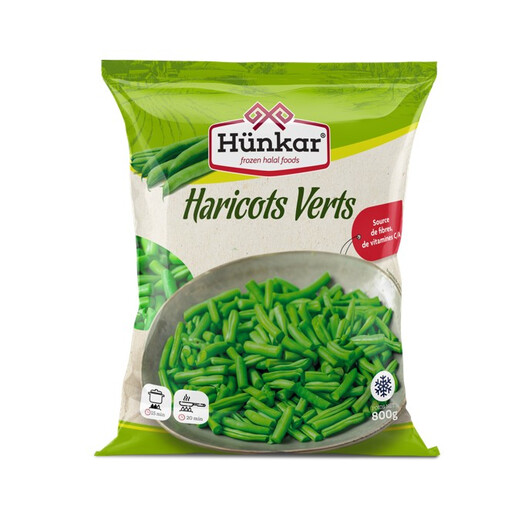 Image unavailable
This 800 g bag is worth considering for a side dish you’re preparing for several guests. Check the cooking instructions on the packaging so you can plan it around serving the meal.
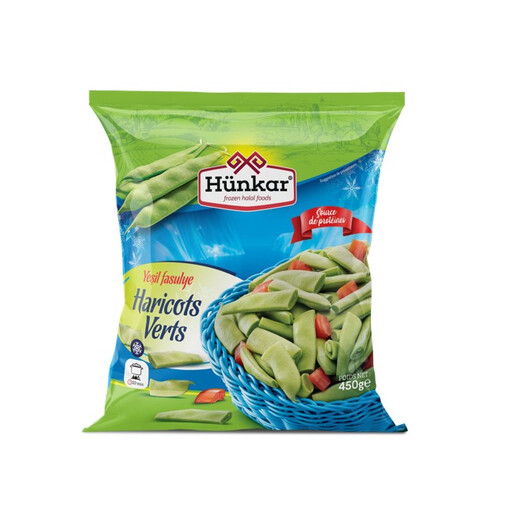 Image unavailable
This 450 g frozen pack also contains tomato, so it’s not suitable if you’re looking for green beans on their own. Check the packaging so you can plan to cook it before the meal.
No: also compare the ‘salt’ figure per 100 g and the product’s ingredients list. The DGCCRF notes that the nutrition declaration on prepacked food includes the amount of salt.
You can use herbs, garlic or lemon, then taste the dish before adding any salt. Manger Bouger advises limiting the salt added to food that’s already been prepared.
No. ANSES highlights risks for some people, particularly those with kidney or heart failure, high blood pressure or diabetes. Don’t automatically replace salt with this type of product for a guest with one of these conditions.
Follow the storage instructions on the jar you buy. They may differ from those for a metal tin or another product, so check them before planning to keep any leftovers.