What should you compare?
First, choose a format that suits your storage space and meal preparation, then compare the nutritional information for the products that work for you. A ‘no added sugars’ claim is no substitute for checking the ‘of which sugars’ line.
| Criteria | What to check | Who is it for? |
|---|
| Carbohydrates and sugars |
The ‘carbohydrates’ and ‘of which sugars’ figures per 100 g, then the amount you serve. |
If carbohydrates matter when I plan my meals, I want to know the declared figures rather than rely on a claim on the front of the pack. Around 42% of consumers rank this comparison as their top concern. |
| Salt |
The ‘salt’ figure per 100 g and whether salt is listed in the ingredients. |
I may prefer plain green beans with no added salt while comparing their sugar content separately. For around 33% of consumers, salt is their main concern. |
| Format and storage |
Freezer space or the storage instructions for a tin once it has been opened. |
If I’m planning several meals, I want packaging I can store and use within the stated time. This is the top priority for around 25% of consumers. |
Green beans available on Joybuy
This selection includes frozen green beans, a tin and a frozen green bean dish with tomatoes. Compare their format and ingredients to suit your needs: a dish with tomatoes is not quite the same as plain green beans.
 Image unavailable
Bonduelle Extra-Fine Green Beans, 750 g
A frozen option if you have a freezer and plan to cook the green beans.
Check the packaging for preparation and storage instructions.
View on Joybuy
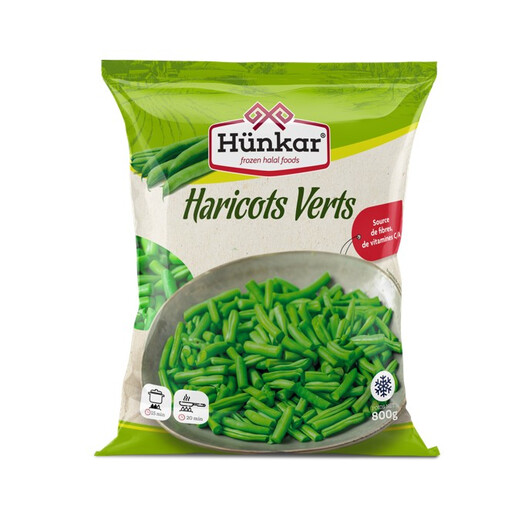 Image unavailable
HÜNKAR Green Beans, 800 g
This frozen format is for people who can store the bag in a freezer.
Check the packaging for preparation instructions.
View on Joybuy
 Image unavailable
Bonduelle Extra-Fine Green Beans, 440 g
A tin to consider if you prefer a product you can keep in the cupboard unopened.
This product contains salt: compare the declared amount and follow the storage instructions once opened.
View on Joybuy
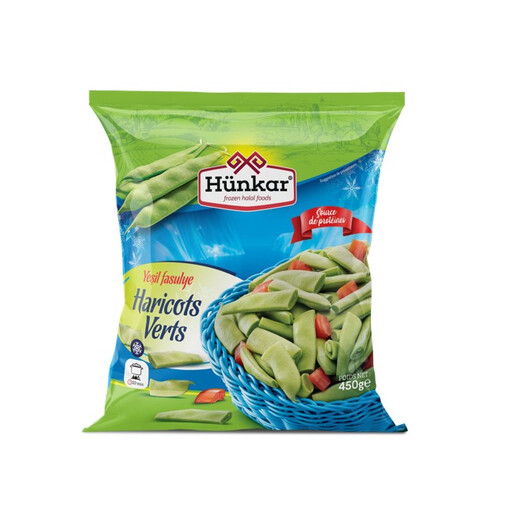 Image unavailable
HÜNKAR Green Beans, 450 g
This frozen product is a good option if you’re looking for a green bean dish rather than plain green beans.
It contains 7% tomatoes. Check the packaging for preparation instructions.
View on Joybuy
Frequently asked questions
Does ‘no added sugars’ mean these green beans contain no sugars?
No: the claim doesn’t rule out naturally occurring sugars. E.Leclerc lists 0.8 g of sugars per 100 g for the 225 g Notre Jardin tin reviewed. Also check the carbohydrates and ‘of which sugars’ figures for the product you buy.
Is the ‘reduced sugar’ claim enough to help me choose?
No: on its own, this phrase tells you neither the sugar content of the product nor how to compare it with another. To choose your green beans, check the nutritional information per 100 g and the ingredients list.
Should I compare the salt content of plain green beans?
Yes, because the amount varies by product. E.Leclerc’s product information lists 0.0 g of salt per 100 g for both the Notre Jardin tin with no added salt and the plain frozen beans reviewed, while the Auchan extra-fine tin reviewed lists 0.41 g per 100 g.
How should I store a tin once it’s been opened?
Follow the instructions on the packaging. For the Auchan extra-fine green bean tin reviewed, the instructions say to transfer the beans to an airtight container, refrigerate and consume within 48 hours of opening.
Is there a type of green bean that suits everyone with diabetes?
No: dietary needs differ from person to person. Assurance Maladie describes a varied diet with no foods universally off limits. If you follow personal dietary advice, take it into account when choosing a product and portion size.


