People prioritising protein
You want to know how much protein there is per 100 g and in the portion you’ll eat, rather than trying to judge it by how thick the yoghurt looks.


For a post-workout snack, compare the protein, fat and serving size stated on the product, rather than relying on the word ‘Greek’ alone. The Delta 0% Greek yoghurt shown by Auchan contains 9.6 g of protein per 100 g, while its whole-milk Greek-style yoghurt with cream provides 2.9 g of protein and 8.2 g of fat per 100 g. A pot of high-protein dairy dessert could also suit you if you’re looking for a ready-to-eat portion, but it isn’t necessarily Greek yoghurt. Check the sugars and ingredients, too.
You want to know how much protein there is per 100 g and in the portion you’ll eat, rather than trying to judge it by how thick the yoghurt looks.
You’re choosing between a 0% option and a creamier Greek-style recipe. The nutritional information for the specific product lets you compare what they contain.
You’re planning several portions or recipes and looking for a large pot or multipack, while taking storage and the nutritional information for your chosen product into account.
For a post-workout snack, first decide whether your priority is protein, fat content, ingredients or packaging. The phrase ‘Greek-style’ alone won’t answer all four questions.
Worth considering: if you’re looking for an option with a clearly stated protein content; the Delta 0% shown by Auchan provides 9.6 g per 100 g.
Bear in mind: this figure applies to Delta 0%, not all Greek yoghurt. Take the portion you’ll eat into account, too.
Worth considering: if texture matters more to you than protein content.
Bear in mind: Auchan’s plain whole-milk yoghurt with cream provides 2.9 g of protein and 8.2 g of fat per 100 g.
Worth considering: if you’d like a ready-to-eat portion with the protein content stated per pot; Danone says its 160 g HiPRO blueberry pot contains 15 g.
Bear in mind: this isn’t Greek yoghurt, and the recipe includes ingredients such as sweeteners and thickeners.
| What to consider | What to check | Who is it for? |
|---|---|---|
| Protein | Compare the protein per 100 g, then check the amount in the portion you plan to eat. | If I’m looking for a clear amount of protein in my snack, the product’s texture isn’t enough to help me choose. Protein content would be the main consideration for around 36% of consumers. |
| Fat and energy | Read the fat and energy values per 100 g, then check the serving size. | When choosing between a 0% recipe and a creamy one, I want to know what’s actually in my portion. Around 29% of consumers would put this nutritional profile first. |
| Ingredients and allergens | Check the ingredients, sugars and allergens on the packaging of the product you choose. | Before choosing a plain or flavoured recipe, I need to know what’s in it and which allergens it contains. This would be the priority for around 21% of consumers. |
| Pack size and storage | Check the quantity per pot or multipack, the date shown and the storage instructions. | If I’m planning several snacks, I want packaging that suits how much I’ll eat and the space I have in the fridge. Pack size would be the deciding factor for around 14% of consumers. |
The products shown by Auchan have different nutritional profiles: Delta Greek 0% contains 9.6 g of protein per 100 g, compared with 2.9 g per 100 g in its plain Greek-style yoghurt.
Compare the figures per 100 g and for your portion, rather than judging by the pot or the texture.
These descriptions don’t tell you everything about the sugars, protein or full list of ingredients.
Before choosing based on your priorities, read the nutritional information and ingredients for the specific product.
The Delta, Auchan and HiPRO products mentioned contain milk. Storage requirements also vary by product: Auchan says to keep its Delta Greek 0% between 2 °C and 6 °C.
Check the allergens, date and instructions on the pot you buy, especially before taking it with you for a snack.
The plain Delta 0% Greek yoghurt is available in a 1 kg pot in the products shown by Carrefour and Auchan.
The range includes dairy desserts in pots and drinks, which are different from Greek yoghurt.
Carrefour offers a four-pack of 150 g pots of plain Greek-style yoghurt.
E.Leclerc offers a four-pack of 150 g pots of Delisse plain Greek-style yoghurt.
Auchan offers plain Greek-style yoghurt, which is different from the Delta 0% Greek yoghurt also listed by the retailer.
Lidl offers Eridanous Greek-style yoghurt in a multipack, for enjoying plain or using in recipes.
The selection below features a ready-to-drink high-protein milk drink. It could appeal if you’re looking for this format for a post-workout snack, but it isn’t a substitute for Greek yoghurt if that’s specifically what you want.
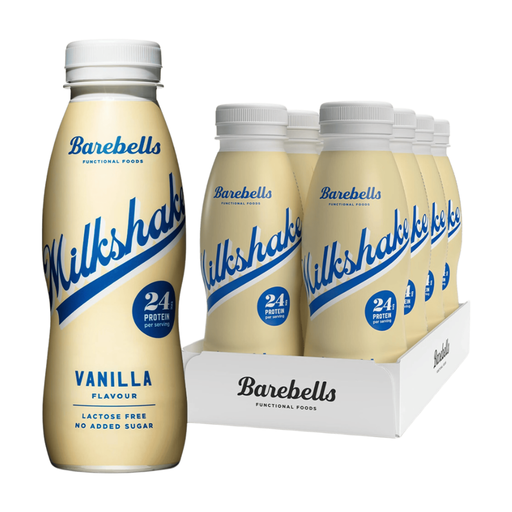 Image unavailable
Worth considering if you’d prefer individual bottles of vanilla milk drink for your snack; this milkshake isn’t Greek yoghurt.
The multipack contains eight 330 ml bottles. The ‘lactose-free’ wording in its name doesn’t mean it’s suitable if you have a milk allergy.
No. The description alone doesn’t tell you how much protein it contains. Auchan’s product information states that its plain Greek-style yoghurt contains 2.9 g per 100 g, compared with 9.6 g per 100 g for Delta 0% Greek yoghurt. Be sure to compare the amount in your portion, too.
Check the allergens for the specific product before buying: the Delta, Auchan and HiPRO products mentioned contain milk. The DGCCRF states that allergens must be highlighted on the labels of pre-packed food.
First compare their nutritional values on the same per-100 g basis, then work out how they relate to the portion you plan to eat. The European Commission says nutritional information is given per 100 g or 100 ml. Pay particular attention to protein, sugars and fat.
Follow the temperature and date shown on the packaging of the product you buy. For its Delta 0% Greek yoghurt, Auchan says to store it between 2 °C and 6 °C; don’t assume the same instructions apply to another product.