
Livraison le jour même ou le lendemain

Qualité garantie

Débloquez vos offres de bienvenue: Livraison GRATUITE | Jusqu'à -80 % | 30 jours d'essai gratuits à JoyPlus
Téléchargez l'application
Grape products cover a wide range of items: drinks, jellies, sweets, raisins and imported snacks. They offer plenty of variety, but they can also make it tricky to compare one product with another. A drink labelled as "juice" may contain only a small proportion of grape, while fruit sweets are generally still very high in sugar.
Before you order online, keep three common pitfalls in mind:
For a grape juice, make sure the label clearly states grape juice or grape juice concentrate, along with the proportion used. The Huiyuan Grape Juice 1 L, for example, is made from water and grape juice concentrate. This family-size format needs to be kept in the fridge after opening and consumed quickly.
A grape drink, on the other hand, may combine water, sugar, flavourings, acidity regulators and a limited amount of juice. Sold in four 125 ml cartons, the WANT WANT Grape Juice Drink contains 1% concentrated grape juice. This packaging is handy for lunchboxes or on the go, but it can't be compared directly to a juice with a much higher proportion of concentrate.
Always compare the price per litre or per kilogram, especially with imported multi-packs. A 330 ml can of grape soda serves a different purpose to a pack of twelve 238 ml drinks or a one-litre bottle.
For a family or a student, individual portions can reduce waste and make storage easier. At home, a larger format is often more practical. Raisins from Jia Jian Cheng Chu come in a 210 g bag and are described as seedless on the product page. They're perfect for eating as they are, or for adding to cereals, baking and savoury dishes.
Even when no allergens are flagged, take the time to read the full ingredients list. Some sweets contain gelatine, milk or soya. The Sakuma Budou Milk Candy, for instance, contain milk powder and soya.
If the product contains colourings, also check any warnings on the packaging. Some items state that certain colourings, such as E102 or E129, may have an adverse effect on activity and attention in children. This regulatory notice is worth considering for grape sweets intended for the whole family.
Finally, check the best-before date, the product's origin and any instructions to follow after opening. A drink containing pulp or fruit pieces often needs to be shaken before drinking, then kept in the fridge once opened.
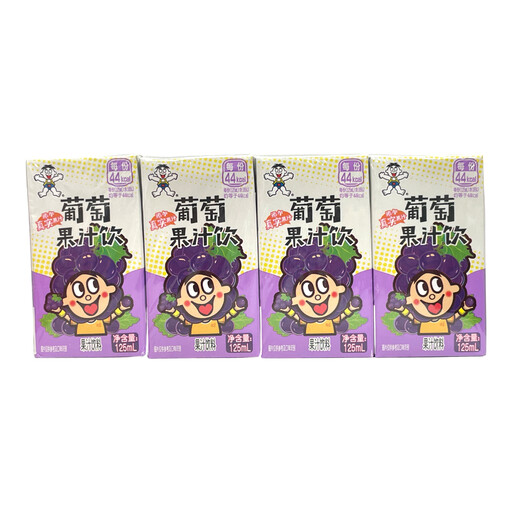
Why this suits this profile: The four 125 ml cartons slip easily into a bag for breakfast, a snack or a break on campus.
The total volume and the proportion of grape concentrate are clearly stated, so you won't mistake this drink for pure juice.
Portion-sized format, 35 kcal and 8.6 g of sugars per 100 ml according to the product page.
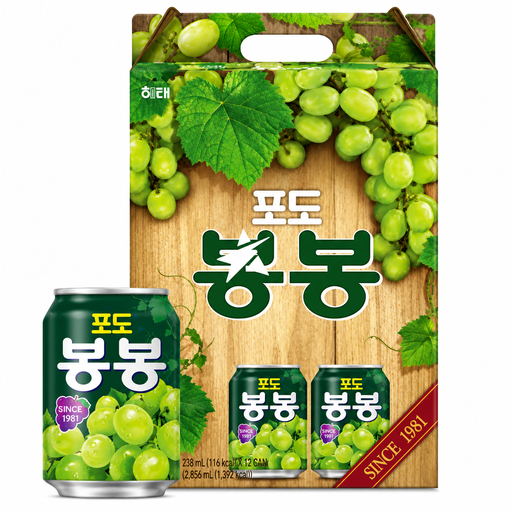
Why this suits this profile: This pack of twelve units lets you stock up on individual drinks with Korean-inspired flavours.
The packaging and volume of each pouch are clearly stated, making it easy to work out the cost per serving.
Pack of 12 × 238 ml, with grape powder and extract mentioned in the description.
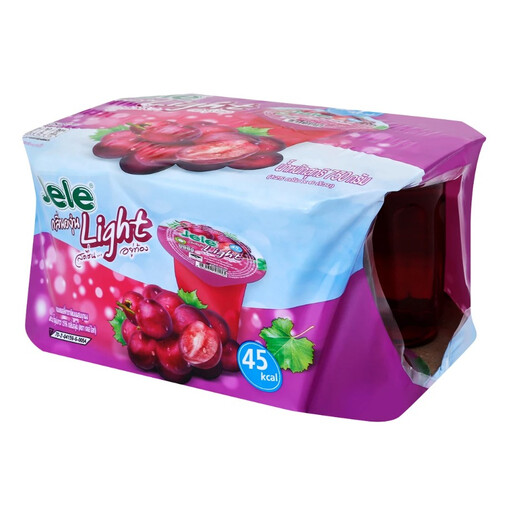
Why this suits this profile: The six 125 g pots are ideal for families, packed lunches and anyone who likes to switch between a grape drink and a grape dessert.
The total weight of 750 g, the number of servings and the nutritional values are all provided – no need to guess what's actually in the pack.
Six servings, 37 kcal and 8.4 g of sugars per 100 g according to the product page.
We've put together a comprehensive, real-time updated selection of products that meet these exacting standards and comply with European safety regulations.
For a chewy texture, grape sweets like MORINAGA Hi-Chew combine sugar syrup, concentrated grape juice and fruit purée. The Cokoc Peeling Soft Candy focuses more on a soft, chewy texture and a shape that resembles a peeled fruit. Nerds Strawberry Grape come as tiny crunchy beads, particularly high in carbohydrates and sugars – best saved for an occasional treat.
On the grape jelly front, Shimonita offers a 150 g pot made with grape juice and apple juice. For a drink with pieces, Chuyinchule Fruit Granules contains grape pulp and needs to be shaken before opening. KATO adds nata de coco in a 320 ml bottle, giving a very different texture to a classic juice.
Grapefruit-based products, such as GS grapefruit tea or Japanese citrus liqueur, belong to a different flavour family. They can complement an order of imported goods, but they don't replace a selection focused on grape. For alcoholic drinks, always check the stated ABV, the legal age requirement and the terms of sale applicable in France.
A juice is made primarily from grape juice or rehydrated concentrate. A grape drink may contain water, sugars, flavourings, acidity regulators and a variable proportion of juice. The ingredients list and the quantitative declaration will help you tell the two apart.
Before opening, follow the manufacturer's recommendations and keep the product in a cool, dry place away from direct light. After opening, juice bottles generally need to be refrigerated and consumed within the time stated on the packaging. For individual pots, follow the storage instructions and the date given.
A pack of individual portions makes sharing and outings easier, while a one-litre bottle is better suited to drinking at home. Before you decide, compare the total volume, the price per litre and the sugar content.