
Livraison le jour même ou le lendemain

Qualité garantie

Débloquez vos offres de bienvenue: Livraison GRATUITE | Jusqu'à -80 % | 30 jours d'essai gratuits à JoyPlus
Téléchargez l'application
Grape products cater to a wide range of tastes: juice to enjoy at breakfast, a fruity drink for a break, raisins to take with you, grape sweets for a treat or a food supplement containing grape seed extract. This variety offers plenty of choice, but it can also make comparisons more difficult.
Marketing in particular creates three common misconceptions:
When buying in France, it is therefore best to check the label, the actual quantity of grape and the format before being swayed simply by the image of the fruit on the packaging.
For grape juice, check whether the product is described as juice, a juice drink or a fruit drink. The ingredients list shows how prominent grape really is in the recipe. The WANT WANT Grape Juice Drink 4-Pack, for example, states that each 125 ml carton contains 1% grape juice concentrate. It is therefore a fruit-flavoured drink, rather than a juice mainly made from grapes.
The Huiyuan Grape Juice 1 L, on the other hand, lists only water and grape juice concentrate in its ingredients. Once opened, it should be kept in the fridge and consumed within a few days, in accordance with the instructions on the product.
Drinks inspired by Asian recipes can have a different texture. Korean grape juice sometimes contains pulp or pieces. The HAITAI Bong Bong product specifies 5% grape pulp and is best enjoyed chilled after being shaken gently.
To compare several products accurately, always use the same unit of measurement. A grape drink may appear low in calories per serving, but a large bottle consumed quickly can soon increase the total amount consumed. Pay particular attention to:
Raisins are naturally more concentrated than fresh grapes and should therefore be eaten in small quantities. The Jia Jian Cheng Chu Raisins 210 g packet contains seedless raisins, which can be eaten as they are or added to muesli, baking or savoury recipes. The packaging recommends storing them in a cool, dry place away from heat and sunlight.
A fruit and nut bar is another easy option to take with you. The Eat Natural bar contains 24.5% raisins, 23.5% peanuts and 16% almonds, among other ingredients. It is suitable for anyone looking for a compact snack, but the allergens – peanuts and almonds – must be taken into account.
For children, grape sweets, gummies and jellies should be offered under adult supervision, in line with the age recommendation on the packaging. The texture, size of the pieces and possible presence of gelatine can all affect the tasting experience.
Anyone with allergies should check the allergen information carefully: bars may contain nuts, while some confectionery products contain milk, soya or gelatine. Storage conditions should also be checked. A frozen product cannot be stored in the same way as a dry product: KIZZ Raisin POP, for example, must be kept at −18°C.
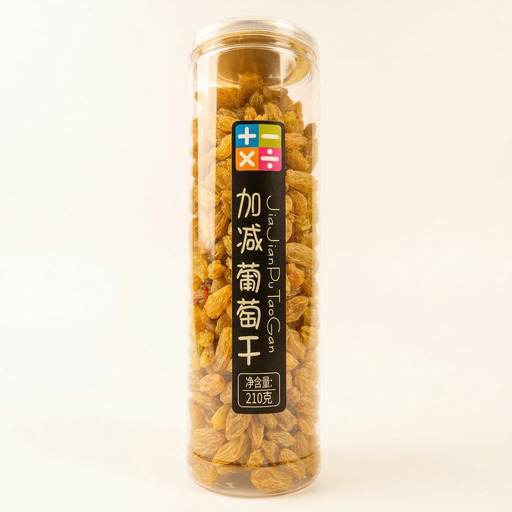
Why this choice suits this profile : This 210 g packet is a simple way to discover raisins and use them in a range of recipes, without accumulating individual packets.
The ingredients clearly specify seedless raisins, with no complicated recipe to decipher.
A 210 g format, seedless raisins and versatile uses, whether as a snack or in cooking.
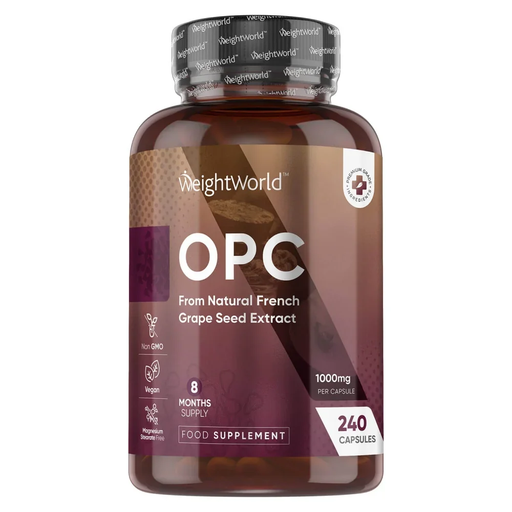
Why this choice suits this profile : This supplement is intended for adults looking for a long-lasting format and a detailed formula based on grape seed extract.
The content per capsule and recommended dosage are clearly stated. This product is for people over 18 only.
240 capsules, 1,000 mg of grape seed extract per serving according to the product information, and a formula described as vegan.
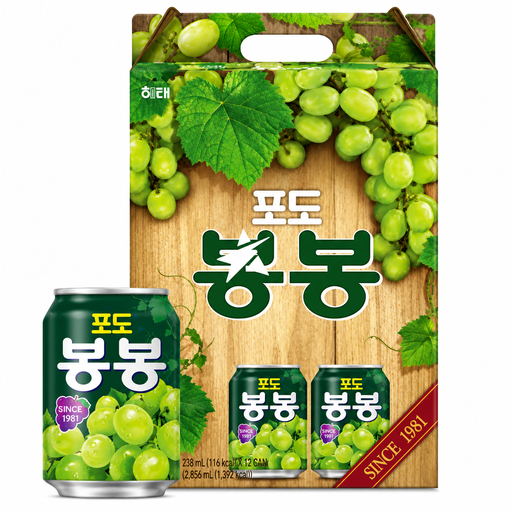
Why this choice suits this profile : This case of 12 drinks is ideal for households wanting a supply of individual portions for meals or days out.
The total volume is clearly stated and each unit contains 238 ml, making it easier to keep track of portions.
A pack of 12 drinks, an origin listed as South Korea, and grape powder and extract according to the product information.
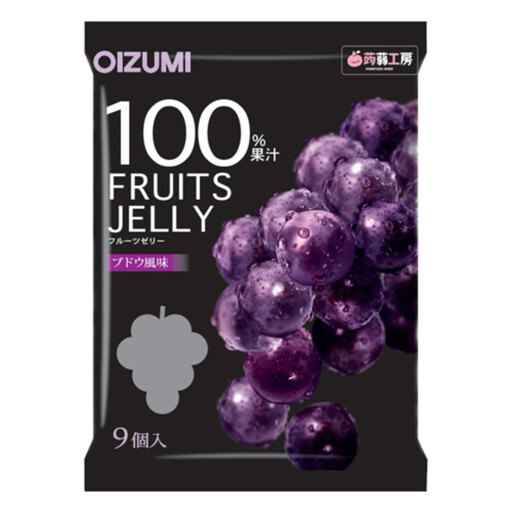
Why this choice suits this profile : This 150 g portion of grape jelly can be enjoyed as it is or chilled, as a snack or dessert.
The net quantity, energy value and texturising agents are stated, making it easier to compare with other jellies.
A 150 g portion made with grape juice and apple juice, with a recipe described as konjac-free.
We have brought together a complete, real-time selection of products that meet these demanding criteria, as well as European safety standards.
Grape juice is generally based on grape juice or grape concentrate as its main ingredient. A fruit drink, on the other hand, may contain a much smaller proportion of grape and be made from water, sugar, flavourings or additives. Check the ingredients list to find out the exact grape content.
Raisins and most grape sweets should be stored in a cool, dry place away from light. Once opened, a drink should generally be kept in the fridge and consumed promptly. Frozen products, such as some fruit gummies, must remain at a low temperature: always follow the instructions on the label.
No. A food supplement is not a substitute for a varied diet or medication. Follow the recommended dosage, minimum age and precautions stated on the product information page. If you are taking medication, are pregnant or breastfeeding, or have a health condition, seek advice from a healthcare professional before use.