
Livraison le jour même ou le lendemain

Qualité garantie

Débloquez vos offres de bienvenue: Livraison GRATUITE | Jusqu'à -80 % | 30 jours d'essai gratuits à JoyPlus
Téléchargez l'application
Navigating the beverage aisle can feel like a maze. Between promising labels and a diverse range of options, finding the grape drink that truly meets your expectations has become a real challenge. Many people end up disappointed by a product that's too sweet, has an artificial taste, or an unexpected texture. This guide is here to give you the keys to making an informed choice, far from the siren call of marketing.
But before we present our selection, let's review the pitfalls to avoid:
To prevent these disappointments, there's one simple reflex: decipher the label. These indicators will help you understand the true nature of the product.
This is the number one criterion. The product's name is the first clue.
Here, it's all a matter of taste and preference.
For those who like something out of the ordinary, some beverages, especially Asian grape drinks, go all-in on texture. You might find:
We have selected a few products that tick the right boxes for different types of consumers.
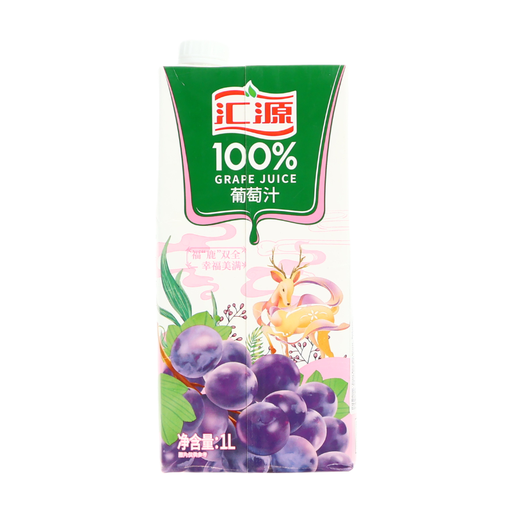
Why it's a match: Ideal for purists seeking a true grape taste without the frills. Its minimalist composition makes it an excellent everyday companion, for breakfast or a refreshing break.
This product avoids the trap of artificial "grape flavour." Its ingredient list is crystal clear: water, concentrated grape juice, and that's it. No added flavourings or preservatives.
A pure juice with no added sugars, delivering the authentic and natural taste of grapes.
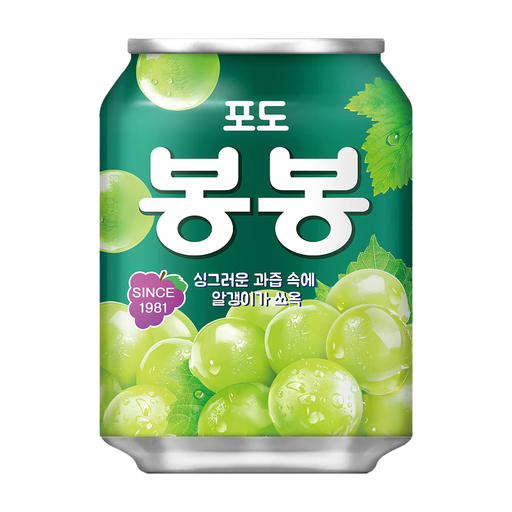
Why it's a match: Perfect for the curious who want a drink that offers more than just flavour. This iconic Korean product is famous for its unique texture, which makes every sip a fun experience.
Here, there are no false promises about texture. The drink delivers with real pieces of grape suspended in the liquid, which you can feel with every sip.
A fun and refreshing drink with real grape pieces for an original and genuinely pleasant texture.
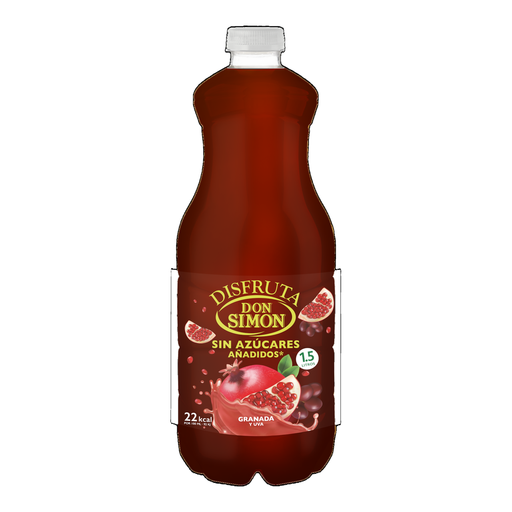
Why it's a match: This nectar is an excellent option for anyone wanting a light, fruity drink without the calories from added sugars. The pomegranate-grape blend offers a nice balance of tartness and sweetness.
It tackles the sugar issue head-on. The "No Added Sugar" claim is upheld by using a sweetener (sucralose, E-955), which is transparently indicated on the label.
A fruit juice-based drink that's low in calories (only 22 kcal/100 ml) and guaranteed to have no added sugar.
Explore our full selection of products that meet our quality criteria.
The entire difference lies in the fruit content. "Pure juice" is made from 100% fruit juice, with no added sugar, water (except to reconstitute a concentrate), or additives. In contrast, a "grape drink" is a blend of water, juice (in highly variable proportions), sugar, flavourings, and other additives. The key takeaway: always read the ingredients list to find out the true percentage of juice.
Once opened, whether it's a juice or a nectar, your grape drink must be stored in the refrigerator. It's best to finish it within 3 to 5 days to enjoy its freshness and taste. Cans or small bottles, on the other hand, are designed for immediate consumption.
It really depends on the product. Some, like fruit teas, are quite low in sugar. Others, especially those containing jellies or syrups, can be as sugary as a conventional soda. The best practice is to check the nutritional information panel and look for the "Carbohydrates, of which sugars" line per 100 ml.