
Livraison le jour même ou le lendemain

Qualité garantie

Débloquez vos offres de bienvenue: Livraison GRATUITE | Jusqu'à -80 % | 30 jours d'essai gratuits à JoyPlus
Téléchargez l'application
The granola cereals and biscuits aisle brings together products that have very little in common: chocolate granola, filled biscuits, chocolate chip cookies, porridge oats or instant mixes. This variety means you can find something you love, but it can also lead you to buy a product that doesn't really suit your needs.
Three common confusions crop up time and again among shoppers:
Before you place your order, take a moment to check the exact product category, the nutritional information, the allergens and the storage instructions.
Ingredients are usually listed in descending order by weight. For a granola or organic muesli, look out for wholegrain oats, whole wheat, barley, spelt or any other clearly identified cereal.
The term wholegrain deserves a closer look: a picture of grains on the packet isn't enough. Check the ingredients list and the nutrition table. A mix containing dried fruit, chocolate or sugar can have a very different composition to a simple blend of oat flakes.
For a preparation based on quinoa and cereals, also check the proportion of quinoa. If it appears in a small quantity, it may simply add a different texture, without making the product primarily quinoa-based.
High-fibre cereals shouldn't be chosen on marketing claims alone. Compare the fibre content per 100 g, then relate it to the portion you actually eat. According to its product page, Funkie granola contains 4.2 g of fibre per 100 g, compared to 16.3 g per 100 g for Quaker oat flakes with flaxseed and cocoa.
These figures alone don't make a product a "healthy breakfast". They are mainly useful for comparing different options in the same aisle. Chocolate biscuits generally contain more fat and sugar than a plain flake mix. They can certainly work as a sweet treat, but they don't serve the same purpose as a porridge.
In France, allergens must be clearly shown on the label. Depending on the product, the items featured here may contain gluten, milk, eggs, soya, sesame or nuts. If you have an allergy or intolerance, always check the packaging you receive, especially the "may contain" statement.
The packaging also affects the price per portion. Individual sachets of instant cereals are handy for taking with you, while a 550 g or 630 g bag is better suited for regular use at home. Finally, look at the preparation instructions: some flakes are ready in a few minutes with hot milk, whereas classic cereals are simply served with yoghurt or a plant-based drink.
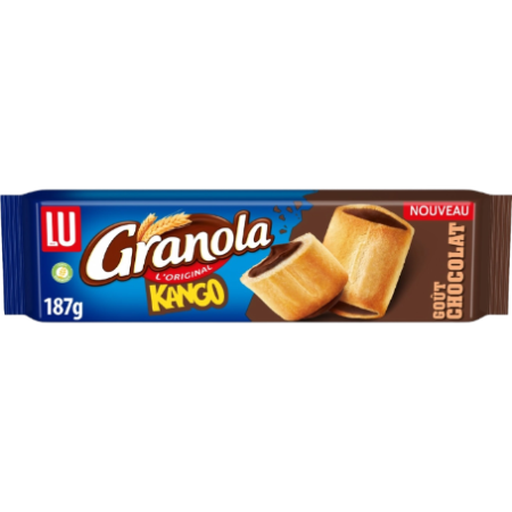
Why this suits this profile: At 187 g, this pack is ideal for a first order or an occasional treat. The biscuits are ready to eat and go perfectly with coffee, tea or a dessert.
The product page clearly describes it as a chocolate-filled biscuit, not a breakfast cereal. It also states 34 g of sugar and 30 g of fat per 100 g, which helps you enjoy it in moderation.
Made in France, ready to eat, with wheat flour and a chocolate filling. Declared allergens: gluten, milk, eggs and soya.
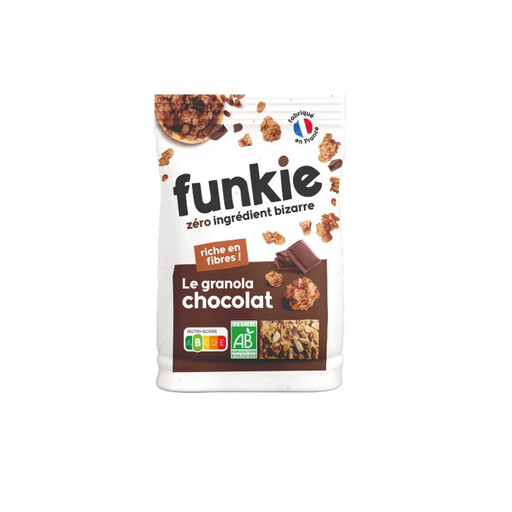
Why this suits this profile: This product is aimed at chocolate granola lovers who prefer a recipe made with organic ingredients, as stated on the product page.
The product page details the stated proportions: 57% wholegrain oats, 5% dark chocolate chips and 5.7% spelt flour. This lets you judge the recipe by its ingredients, not just the look of the packet.
The product contains 423 kcal, 15 g of fat and 21 g of sugar per 100 g. It contains gluten and sesame.
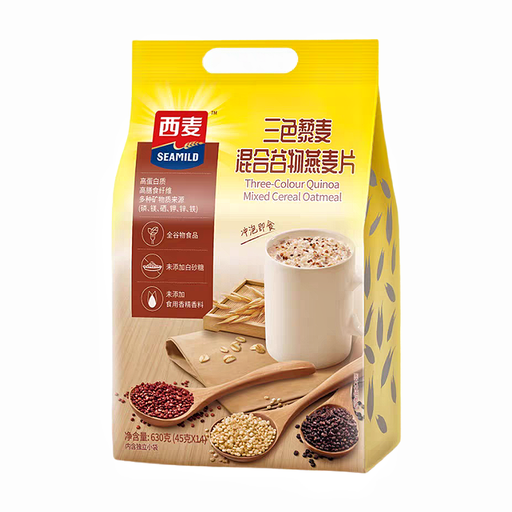
Why this suits this profile: With its 630 g pack size and 3 to 5 minute preparation time, this mix is ideal for households and regular consumers looking for a blend of oats, rye, buckwheat and quinoa.
The reference portion is clearly stated: 50 g of product with 150 ml of milk or hot water. The product page also mentions 10.2 g of fibre and 6.5 g of sugar per 100 g.
A blend of cereals and tri-colour quinoa, with 13.5 g of protein and 10.2 g of fibre per 100 g. The rye content explains the presence of gluten.
We've put together a full, real-time selection of products that meet these exacting standards and comply with European food safety regulations.
It depends entirely on the product and the amount you eat. Filled biscuits and chocolate chip cookies are best kept for indulgent moments or snacks. For daily use, compare the ingredients, the fibre and sugar content, and the recommended portion size. You could also alternate with porridge oats or a lightly processed organic muesli.
Start by following the proportions on the packet. The SEAMILD product, for example, recommends 50 g of product with 150 ml of liquid, then a resting time of 3 to 5 minutes. For Family individual sachets, the product page suggests around 175 ml of boiling water for 35 g of cereal. Then gradually adjust the texture with a little milk or water.
Seal the bag carefully and store it in a cool, dry place away from moisture. Some products need to be kept in the fridge after opening: in that case, follow the instructions on the label. The best-before date is printed on the packaging, but if the bag isn't sealed properly, the texture and flavour can quickly deteriorate.