
Livraison le jour même ou le lendemain

Qualité garantie

Débloquez vos offres de bienvenue: Livraison GRATUITE | Jusqu'à -80 % | 30 jours d'essai gratuits à JoyPlus
Téléchargez l'application
The popularity of grain-free food for cats and dogs shows no signs of slowing down. As a pet owner dedicated to your companion's well-being, you are likely looking for more natural and digestible options. The problem: the market is saturated with eye-catching packaging and confusing marketing claims. Therefore, knowing how to distinguish a truly nutritious formula from a product that merely capitalises on the trend is essential.
Before making your choice, it's helpful to know the most common pitfalls so you don't invest in an unsuitable product.
To make an informed choice, ignore the slogans and focus on a few objective criteria. Here are the key points to decode on the label.
The rule is simple: ingredients are listed in descending order by weight. The first ingredient is therefore the most abundant.
This mandatory section gives you an overview of the nutritional composition.
The choice between wet and dry will depend on your pet's preferences, your budget, and your daily routine.
To help you make an informed decision, here are a few options that meet specific profiles and needs, in line with the objective selection criteria mentioned above.
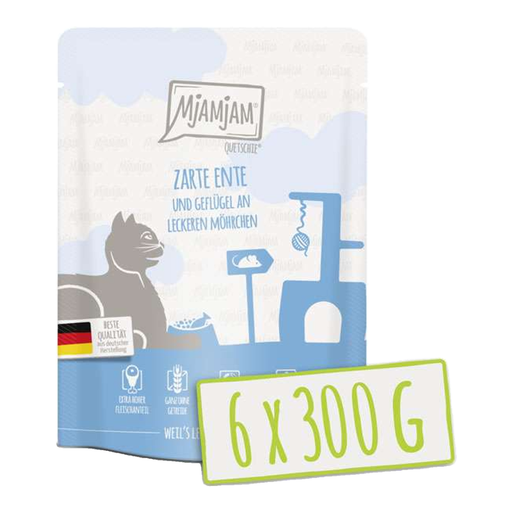
The typical profile: Perfect for owners of indoor cats (including sterilised ones) who rely on wet food to ensure good hydration. The multi-pack format is a practical bonus.
The ingredient list is crystal clear: 71% poultry (including 27% duck), with no grains or added sugars. This avoids the trap of filler ingredients and vague descriptions.
Its high meat and moisture content (79%) is a real asset for kidney function and hydration. The formula is guaranteed free from artificial preservatives and flavourings.
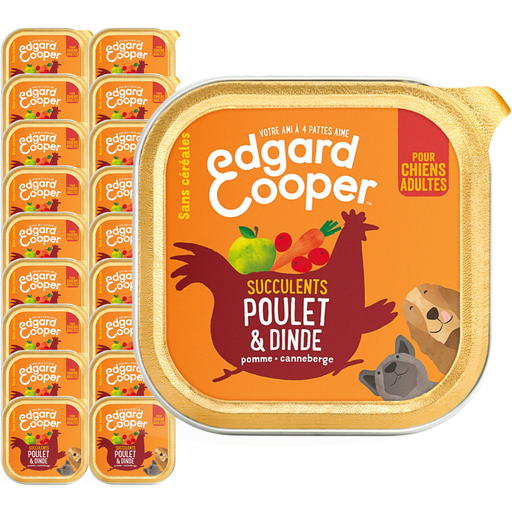
The typical profile: For owners who want a wet, natural, protein-rich food with simple, identifiable ingredients.
This product is upfront about its contents with 56% fresh chicken and turkey, avoiding the low-meat-percentage trap. The recipe includes fruits and vegetables, not fillers.
A simple and wholesome composition, with no added sugars or artificial additives. Its high moisture content (82%) is a major advantage for your dog's hydration.
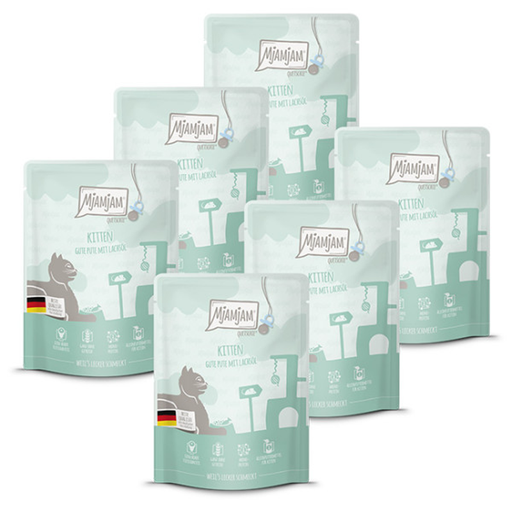
The typical profile: Designed for kitten owners who demand a complete food that is tailored for growth, rich in essential proteins and nutrients, and also highly digestible.
This formula specifically targets the needs of a kitten, avoiding the 'one-size-fits-all' trap. Its single-protein (turkey) and grain-free recipe is perfect for young digestive systems.
A very high meat content (70% turkey) and enrichment with salmon oil for essential fatty acids crucial for development. The calcium/phosphorus ratio is perfectly calibrated for growth.
We have compiled a complete and up-to-date selection of products that meet these quality criteria and current regulations.
Yes, absolutely. Any dietary change should be made slowly to allow your pet's digestive system time to adapt. Mix the new food with the old, gradually increasing the proportion of the new food over a period of 7 to 10 days.
No, and this is a common pitfall. As we've seen, grains are often replaced by other sources of starch (and therefore carbohydrates) like peas, lentils, or sweet potatoes. It is therefore crucial to read the full ingredient list to assess the overall carbohydrate content, especially if your pet is overweight or diabetic.
It all depends on your pet's preferences and your own constraints. P?té is more hydrating and often more popular with picky eaters. Kibble is convenient, and the chewing action helps with oral hygiene. The ideal solution is often mixed feeding, which combines the benefits of both formats.