
Livraison le jour même ou le lendemain

Qualité garantie

Débloquez vos offres de bienvenue: Livraison GRATUITE | Jusqu'à -80 % | 30 jours d'essai gratuits à JoyPlus
Téléchargez l'application
Choosing the right food for your four-legged friend is a major responsibility. On overcrowded shelves, the "grain-free" label on a p?té sounds like a promise of quality. While this trend stems from a good intention—to more closely mimic a dog's natural carnivorous diet—it has also become a sometimes misleading marketing claim.
As a product expert for Joybuy, I'm here to help you decode labels. Together, let's analyse the pitfalls to avoid so you can make an informed choice, far from the siren call of marketing.
Navigating the jungle of dog food options isn't always easy. Here are three key points to watch out for to avoid falling into the trap.
To choose the best wet dog food, focus on a few objective criteria that don't lie.
The golden rule is simple: the first ingredient on the list is always the one present in the largest quantity. For a diet that respects your dog's carnivorous nature, this must be meat or fish.
A single-protein dog p?té is, as its name suggests, formulated with only one source of animal protein (for example, 100% chicken or 100% lamb). This type of recipe is particularly recommended for dogs prone to sensitivities, intolerances, or food allergies. If a reaction occurs, it becomes much easier to pinpoint the culprit. It is therefore a very wise choice for pooches with delicate digestion.
A short, understandable ingredient list is often an excellent sign. Avoid products containing the following like the plague:
An organic dog p?té can offer additional guarantees about the origin of the ingredients and the absence of pesticides, but here again, a careful reading of the label remains essential.
To put theory into practice, here are a few products that tick all the boxes for the criteria we've just discussed, tailored to specific needs.
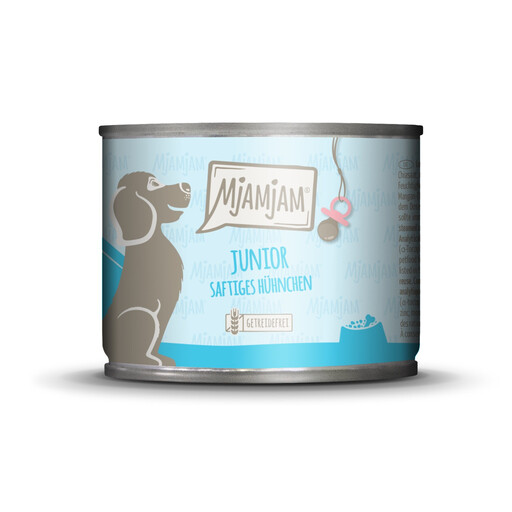
Why we chose it: Puppies have very specific nutritional needs to grow properly. This formula is designed to support their growth with premium ingredients and high digestibility.
The composition is crystal clear: 66% chicken at the top of the list, with no grains or added sugars. A very healthy foundation for a young digestive system.
A highly tolerable single-protein (chicken) formula enriched with essential nutrients for growth (whole egg, chia seeds, safflower oil).
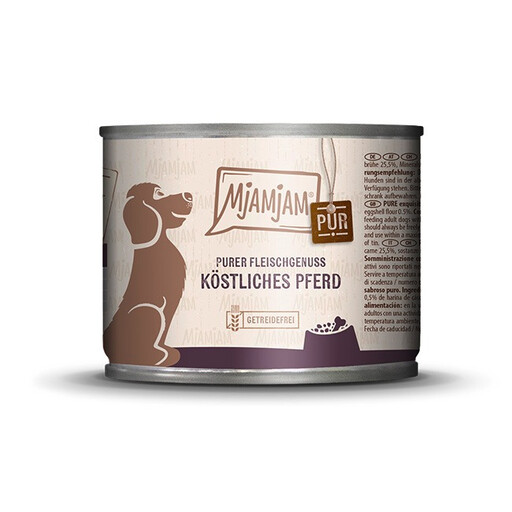
Why we chose it: Perfect for dogs on an elimination diet or those intolerant to common proteins (chicken, beef). The simplicity of the recipe minimises the risk of allergic reactions.
Total transparency with 73% horse meat. This is a single-protein dog p?té in its purest form, with no vegetables, fruits, or other ingredients that could upset a delicate digestive system.
It relies on a protein source known to be hypoallergenic (horse) and an ultra-short ingredient list for maximum tolerance.
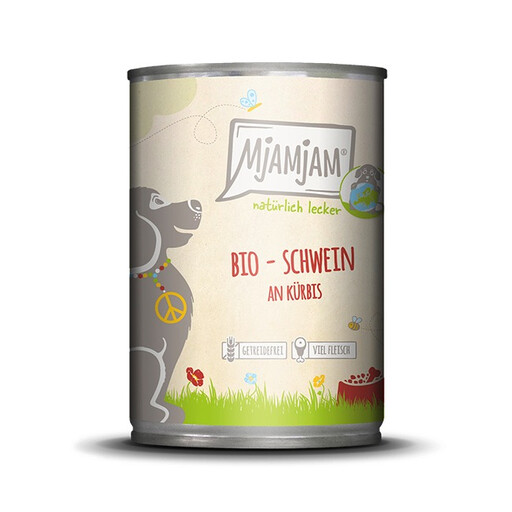
Why we chose it: For owners who demand guarantees on ingredient origin and a sustainable approach, without ever compromising on nutritional quality.
The organic label certifies the origin of the ingredients. The composition is simple and clear, with no synthetic additives, which goes far beyond the simple "natural" marketing claim.
Ingredients from organic farming, a high meat content (organic pork), and a highly digestible vegetable like squash for fibre.
We have compiled a complete selection of products that meet these strict quality criteria and current regulations.
How do I successfully transition to a new p?té? To avoid digestive upset, the transition should be gradual. Over 7 to 10 days, mix a growing portion of the new p?té with the old one until it's completely replaced. Start with about 25% of the new food, then increase the amount little by little.
P?té or kibble: which should I choose?Wet dog food (p?té) is very palatable and rich in water, which promotes good hydration. Kibble, on the other hand, is more convenient to store and helps limit tartar build-up. Mixed feeding, which combines both, is often an excellent solution to enjoy the benefits of each format.
Is grain-free p?té suitable for all dogs? For the vast majority of healthy dogs, a quality grain-free diet is perfectly suitable. However, every animal is unique. For those with specific conditions (kidney disease, complex allergies, etc.), a veterinarian's advice is essential. They can guide you to the most appropriate diet for your companion's health status.