
Livraison le jour même ou le lendemain

Qualité garantie

Débloquez vos offres de bienvenue: Livraison GRATUITE | Jusqu'à -80 % | 30 jours d'essai gratuits à JoyPlus
Téléchargez l'application
Providing a healthy, suitable diet for your four-legged friend is every owner's top priority. The market for grain-free dog p?té is booming, but how do you navigate the jungle of marketing claims? How can you tell the difference between a truly nutritious recipe and a product that's just cashing in on the trend?
As a Product Recommendation Manager at Joybuy, my role is to help you decode the labels. Together, let's analyse the pitfalls to avoid and the criteria that truly matter, so you can make an informed choice that cuts through the marketing hype.
Navigating the aisles (whether physical or virtual) can be a real minefield. Many products look promising on the surface but hide disappointing formulas. Here are the most common pitfalls.
Packaging that claims "70% fresh chicken" is certainly appealing. But be careful: fresh meat is about 75% water. After the cooking process, its actual weight in the final product literally melts away. A quality recipe will therefore often combine fresh meat with dehydrated meat or meat meals, which are far more concentrated in protein. The smart move: analyse the full ingredient list rather than relying on the headline claim of fresh meat.
The term "natural dog food" is not an absolute guarantee of quality. It can be used to mask the use of poor-quality animal by-products (carcasses, beaks, feathers) or large amounts of fillers like potato or pea starch. These replace grains but offer no real nutritional value. A good sign? A short, clear, and jargon-free ingredient list is often your best indicator.
A grain-free p?té is an excellent option for dogs with sensitive digestion. However, "grain-free" does not mean "carb-free". To achieve the right texture, manufacturers often replace wheat or corn with legumes (peas, lentils) or tubers (potatoes, sweet potatoes). The risk is that, in excess, these substitutes can spike the meal's glycemic index. The key is to choose recipes where meat remains the number one ingredient by a wide margin.
To select a wet food for adult dogs that truly meets your pet's needs, here are the three technical points to check on the label.
The "analytical constituents" list is your best friend. It breaks down the key nutrients:
Favour ingredient lists that clearly identify the meat source ("chicken," "beef," "lamb") rather than vague terms like "meat and animal derivatives." This transparency is a sign of quality and becomes essential if you suspect a food sensitivity. A single-protein dog p?té, which contains only one source of animal protein, is the ideal solution for food for sensitive dogs, as it allows you to easily identify and eliminate the responsible allergen.
Good wet dog food should contain essential nutritional additives like vitamins (D3, E) and minerals (zinc, copper, iodine) to ensure a complete and balanced meal. Conversely, steer clear of endless lists that include colourants, artificial flavours, or synthetic preservatives. The presence of fruits, vegetables, or herbs is a real plus, providing a natural source of fibre and antioxidants.
Instead of an endless catalogue, we've selected products that meet specific needs and tick all the boxes for the criteria we've just discussed.
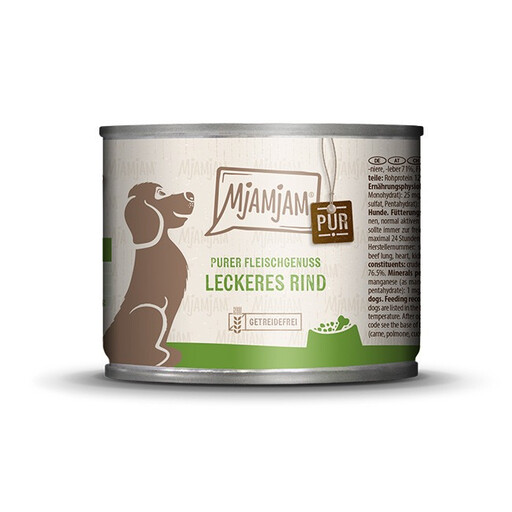
Why we chose it: This is the perfect solution for owners who suspect an allergy or need to manage known food intolerances. Its single-protein formula is key to implementing a simple and effective elimination diet.
This recipe avoids the pitfall of vague ingredients. The list is clear and concise: 71% beef meat and offal. No unidentified "by-products," just the essentials.
A monoprotein formula, free from grains, gluten, and lactose. In short, an ultra-clean composition to minimise the risk of reactions.
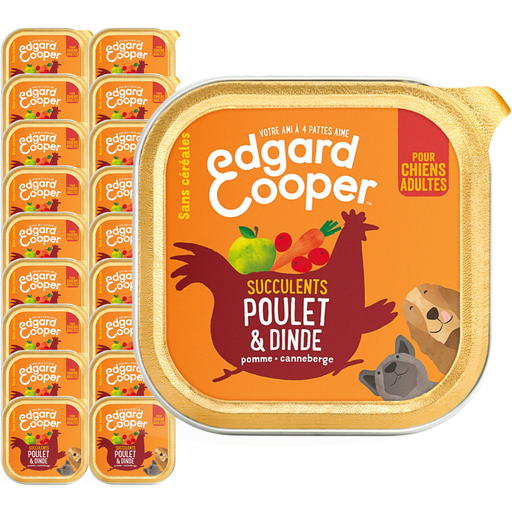
Why we chose it: It will appeal to owners looking for food that feels "homemade," with high-quality ingredients and clearly visible pieces of fruit and vegetables.
This p?té avoids the vague "natural" trap by detailing every fruit and vegetable with its percentage (carrots 2%, cranberries 1%, tomatoes 1%...). The transparency here is total.
A high content of fresh meats (chicken 30%, turkey 26%) and a recipe enriched with botanicals for a natural cocktail of fibre and vitamins.
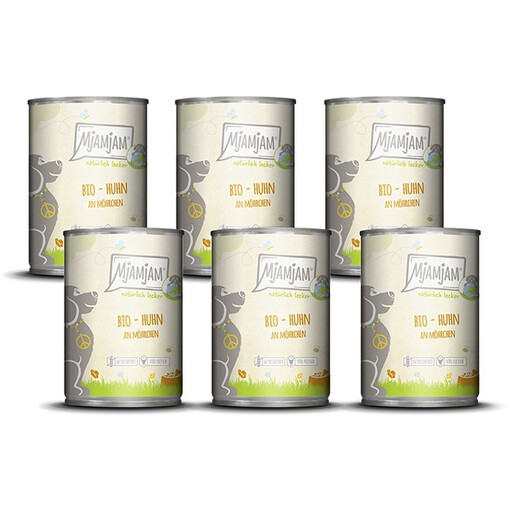
Why we chose it: For owners who swear by organic and are looking for a format that is both practical and economical. This pack of 400g cans is perfect for medium to large dogs, or simply for stocking up.
It avoids the "grain-free but packed with starch" trap. The recipe is straight to the point: 67% organic chicken, broth, and carrots. No potatoes or peas added in bulk just to create volume.
The organic certification guarantees top-quality ingredients. The 400g bulk-pack format ensures excellent value for money for a premium food.
We have put together a complete selection of products that meet our selection criteria and current regulations.
The exact amount depends on your dog's weight, age, breed, and activity level. Each package provides a detailed feeding guide. Start by following these recommendations and adjust if your dog gains or loses weight. Keep in mind that wet food contains a lot of water, so the volume you need to serve will be larger than for kibble.
Yes, absolutely. A sudden change in diet can lead to digestive issues (diarrhoea, vomiting). For a smooth transition, mix the new p?té with their old food over a period of 5 to 7 days. Gradually increase the proportion of the new food while decreasing the old one, until you have replaced it completely.
No, not necessarily. A single-protein p?té is mainly recommended for dogs with diagnosed allergies or food sensitivities. It helps to identify and eliminate the protein causing the reactions. For a healthy dog with no specific digestive problems, a quality food containing multiple animal protein sources is perfectly suitable and even beneficial, as it offers a more complete amino acid profile.