
Livraison le jour même ou le lendemain

Qualité garantie

Débloquez vos offres de bienvenue: Livraison GRATUITE | Jusqu'à -80 % | 30 jours d'essai gratuits à JoyPlus
Téléchargez l'application
Providing a healthy, suitable diet for your four-legged friend is every owner's priority. The grain-free dog kibble market is booming, promising better digestion and a healthier formula. However, navigating the jungle of options can quickly become a headache. Behind slick marketing, you'll sometimes find disappointing formulas. We'll explain how to avoid the most common pitfalls.
To make an informed choice, focus on a few key indicators that don't lie and that define a quality, natural dog food.
The number one ingredient in good kibble should always be a clearly identified animal protein source.
In a grain-free recipe, carbohydrates come from legumes (peas, lentils) or tubers (sweet potato, potato). These ingredients provide energy and essential fibre for good digestion. The key is that their proportion remains reasonable compared to the protein content. The presence of fruits and vegetables (carrots, blueberries, spinach) is a real plus, as they provide natural vitamins and antioxidants.
Certain functional additives can make a real difference, especially for sensitive stomachs.
Because every dog is unique, here is a selection of products that meet specific needs, while respecting the quality criteria we've just discussed.
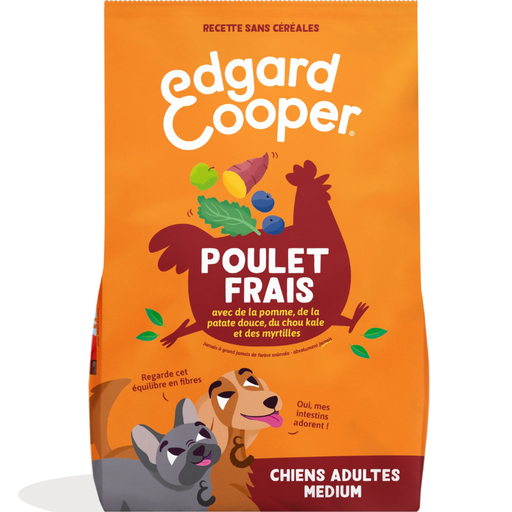
Why we chose it: Perfect for owners who scrutinise labels and prioritise fresh, simple ingredients. The recipe focuses on a transparent, nutritious approach that's almost like homemade.
The recipe lists 40% fresh chicken at the top, which sidesteps the trap of vague formulas. Grains are replaced with potatoes, peas, and also fruits and vegetables.
The presence of prebiotics (MOS and FOS) to support gut flora. A real plus for dogs with delicate digestion.
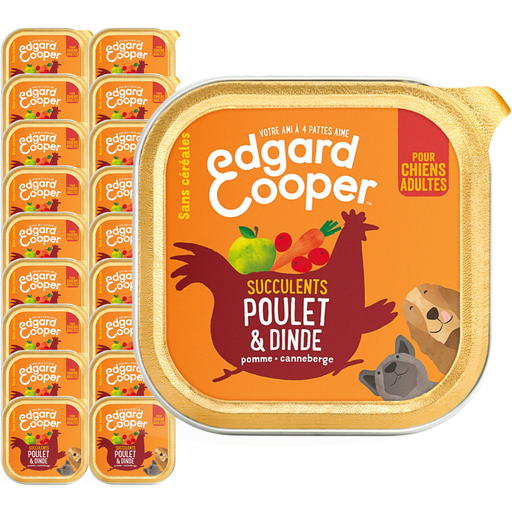
Why we chose it: Wet food is often more digestible and palatable, especially for picky or older dogs. This grain-free wet food for dogs is an excellent option, either on its own or as a topper for kibble.
The formula is crystal clear: 56% fresh chicken and turkey. Zero grains, zero artificial additives. It's a perfect alternative to complement kibble for sensitive digestion.
Its high water content (82%) ensures excellent hydration, which is crucial for kidney function and overall health.
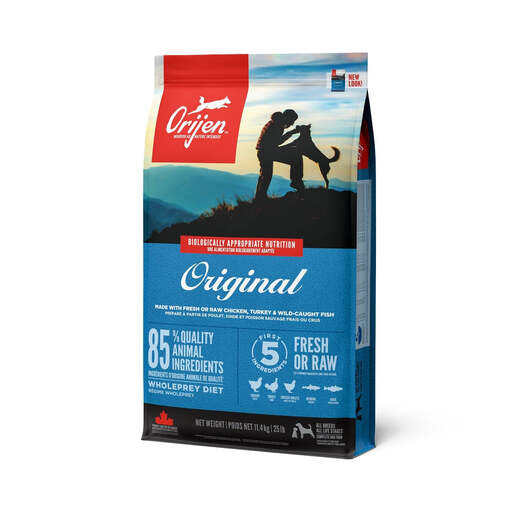
Why we chose it: A formula designed for very active or athletic dogs that need a fuel rich in protein and energy to support their muscle mass and endurance.
It avoids the "protein percentage" trap by ensuring its 38% crude protein comes from high-quality, varied sources: chicken, turkey, fish, and eggs.
Its "Whole Prey" approach incorporates meat, organs, and cartilage. The result: an ultra-complete nutritional profile that mimics a dog's ancestral diet.
Discover our selection of natural treats, also chosen with the same quality criteria.
A gradual transition is key to avoiding digestive upset. Over 7 to 10 days, mix the new kibble with the old, progressively increasing the amount of the new food until the old food is completely replaced.
For the majority of healthy dogs, a quality grain-free diet is perfectly suitable. However, every animal is unique. Some dogs digest quality whole grains (brown rice, oats, etc.) perfectly well. "Grain-free" is most relevant for dogs with a known sensitivity or allergy. When in doubt, your veterinarian's advice is essential.
Excessive gas, soft or irregular stools, vomiting, loss of appetite, or itching can indicate that their current food is not suitable. If these symptoms persist, consult your veterinarian to rule out any other medical causes.