
Livraison le jour même ou le lendemain

Qualité garantie

Débloquez vos offres de bienvenue: Livraison GRATUITE | Jusqu'à -80 % | 30 jours d'essai gratuits à JoyPlus
Téléchargez l'application
You want the best for your four-legged friend, and that's perfectly normal. The market for grain-free dog kibble is booming, promising easy digestion and robust health. But be warned: not all products are created equal, and it's easy to fall for the marketing traps of a product that won't deliver on its promises.
Before you decide, here are the two most common pitfalls to keep in mind:
To avoid being fooled by slogans, you need to know how to read between the lines. Here are three key points to check to ensure you're choosing high-quality kibble that's truly right for your dog.
Protein-rich kibble is the foundation. But the quality of those proteins is even more important. Favour labels that are clear about the type of meat and its preparation:?"?fresh chicken?", "?dehydrated lamb?", "?salmon?". These specific terms are far more transparent than generic names and indicate a higher-quality raw material. Finally, the protein source should always appear first in the ingredient list, proving it's the main component.
Grain-free formulas use alternatives like lentils, chickpeas, or sweet potatoes. The advantage??They provide fibre, vitamins, and have a lower glycemic index than traditional grains. For a dog with sensitive digestion, these complex carbohydrates are a real plus:?they ensure a more gradual release of energy and contribute to good intestinal health.
The "?Analytical Constituents?" table is your best tool for judging the nutritional balance of a formula. It details the percentages of:?
A good balance, tailored to your pet's age, breed, and activity level, is the key to maintaining its vitality without the risk of weight gain.
Every dog is unique. Here is our selection of products that meet specific needs while adhering to the quality criteria we've just outlined.
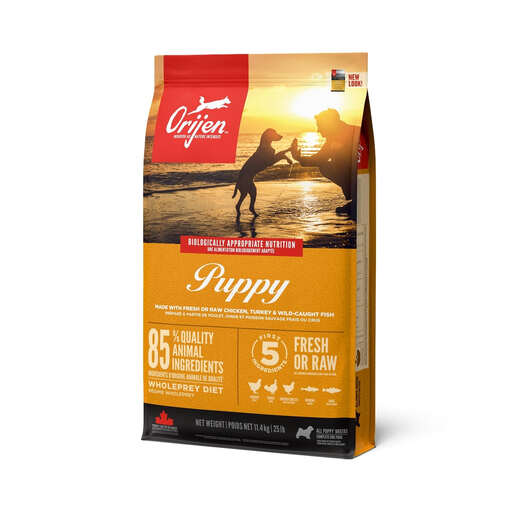
The typical profile: Puppies have heightened energy and nutritional needs to grow properly. This formula was designed for them, with 38% protein and a rich variety of animal-based ingredients to support healthy muscle and bone growth.
This formula avoids the trap of vague ingredients by listing every source of meat, organ, and cartilage (chicken, turkey, fish) with total transparency.
High protein content (38%) from 85% quality animal ingredients; WholePrey concept that mimics a natural diet.
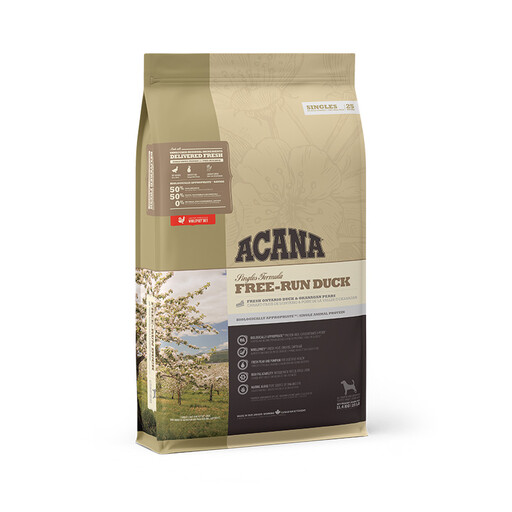
The typical profile: For dogs prone to food sensitivities, a single-protein formula helps to identify and eliminate allergens. This hypoallergenic dog kibble relies on a single source: duck.
It avoids the pitfall of long ingredient lists by relying on a simple, targeted approach. Free from grains, soy, corn, or potatoes, it's a top-tier choice for sensitive stomachs.
Single-protein formula (duck), perfect for food sensitivities; enriched with squash and pear fibre to aid digestion.
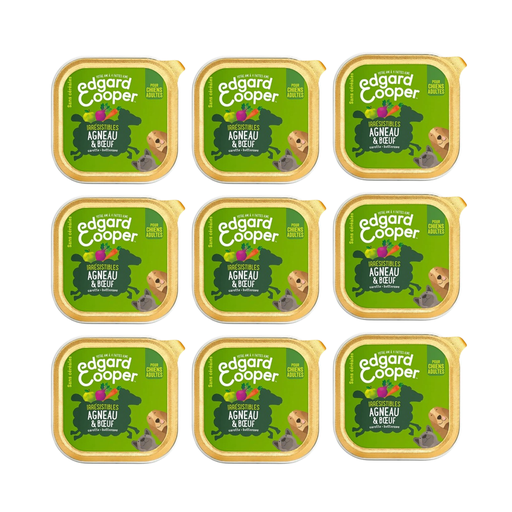
The typical profile: This grain-free dog p?té is an excellent alternative (or a gourmet supplement) to kibble. Its moist texture aids hydration and often tempts even the pickiest eaters.
It stands out from p?tés with unidentified " by-products " by incorporating 56% fresh lamb and beef, complemented by clearly listed vegetables and fruits.
High fresh meat content (30% lamb, 26% beef); grain-free recipe with vegetables and fruits for a nutrient cocktail.
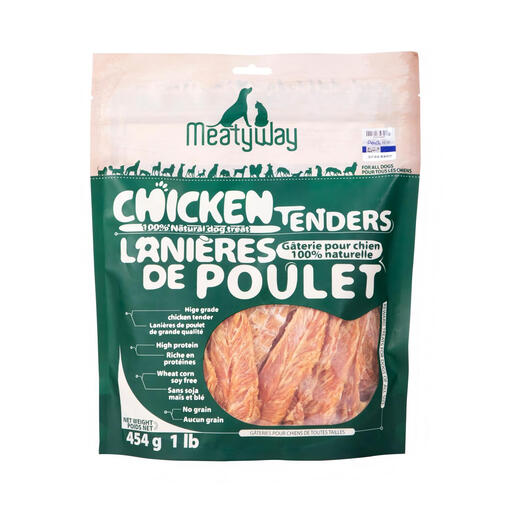
The typical profile: Training and rewards should remain consistent with the primary diet. These natural dog treats are the ideal solution for indulging your companion without compromising their diet.
Unlike treats packed with grains, sugars, and additives, this recipe contains only one ingredient: chicken. Simplicity in the service of health, plain and simple.
100% chicken fillet, with no other additives; tender texture, easy to chew and break up for training sessions.
We have curated a complete selection of products that meet our quality criteria and current regulations.
The key to success??A gradual transition to avoid upsetting their digestive system. Over 7 to 10 days, gradually mix the new kibble with the old, slowly increasing the proportion until the switch is complete. Throughout this phase, keep an eye on their stool and general condition.
While many dogs benefit from it, especially those with sensitive digestion or allergies, "grain-free" isn't a mandatory choice for everyone. The most important thing is to choose a high-quality, digestible, and balanced diet—with or without grains—that meets your pet's specific needs. If in doubt, or if your dog has a medical condition, consulting your veterinarian is essential.
The price per bag is often higher, which is explained by the quality of the ingredients, particularly a larger proportion of meat. However, a more nutritionally dense food is also more filling. Daily portions are therefore often smaller. The smart approach is to calculate the cost per day rather than just looking at the price of the bag.