
Livraison le jour même ou le lendemain

Qualité garantie

Débloquez vos offres de bienvenue: Livraison GRATUITE | Jusqu'à -80 % | 30 jours d'essai gratuits à JoyPlus
Téléchargez l'application
The trend for grain-free dog food shows no signs of slowing down. Shelves are overflowing with promises of health and vitality for our four-legged companions. The problem? Navigating this jungle can quickly become a headache. Between marketing slogans and opaque ingredient lists, it's easy to choose a kibble that doesn't truly meet your pet's needs.
I'm a Product Recommendation Manager at Joybuy, and my mission is to help you see things more clearly. Together, let's break down the traps to avoid and the criteria that really matter for choosing the right food, far from the siren song of marketing.
The ‘grain-free’ label is often mistakenly seen as a guarantee of absolute quality. However, this claim can hide much less rosy realities. Here are the most common pitfalls.
To avoid making a mistake, learn to read between the lines on the labels. Here are the three essential points to check.
High-quality, protein-rich dog food is the cornerstone of your dog's health.
In a grain-free recipe, carbohydrates don't disappear; they just come from different sources.
Finally, don't underestimate the details that make all the difference.
To put theory into practice, here are a few products that tick all the boxes, each tailored to a specific type of dog.
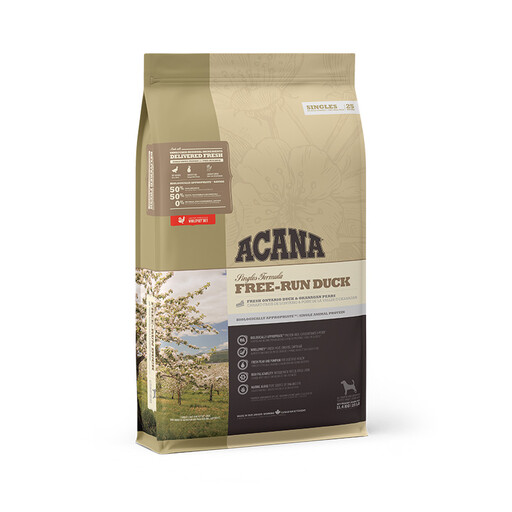
Why we recommend it: Perfect for owners who suspect a food allergy. Its single-protein duck formula is specially designed for delicate stomachs and sensitivities.
This recipe eliminates the risk of multiple proteins and hidden allergens by using a single meat source (duck) and high-quality grain substitutes like lentils and peas, which have a low glycemic index.
50% duck, including a significant portion of raw meat and liver. The recipe includes fibre from legumes and pumpkin to support digestion.
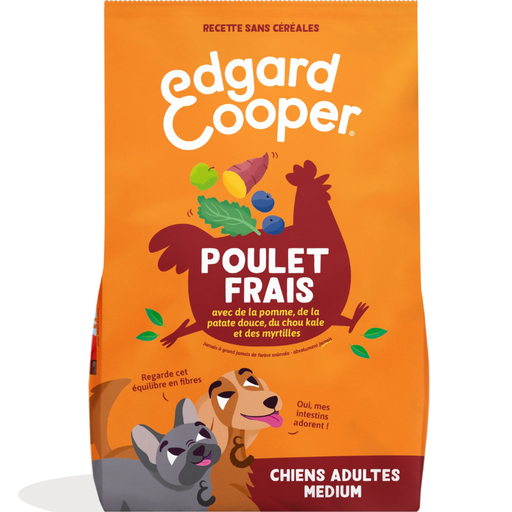
Why we recommend it: For owners who demand the very best in freshness and ingredient quality. This recipe focuses on fresh meat, complemented by a rich blend of fruits and vegetables.
No second-rate proteins here: the recipe features 40% fresh chicken as the number one ingredient, not meat meals. The composition is crystal clear and guaranteed grain-free.
Enriched with prebiotics (MOS & FOS) to support gut flora, and a cocktail of fruits and vegetables (mango, blueberries, apple) for a boost of natural antioxidants.
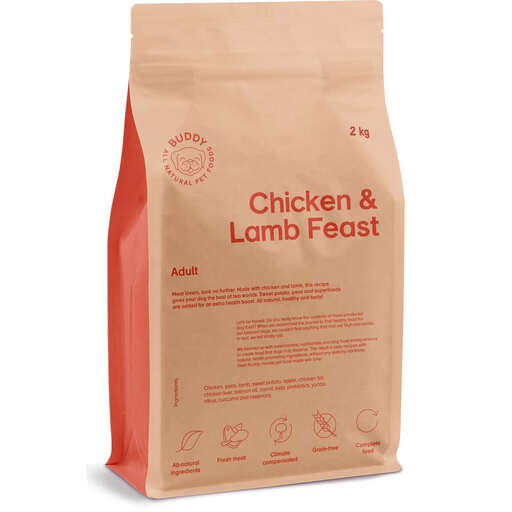
Why we recommend it: Designed for adult dogs with a high activity level, this formula provides a perfectly balanced energy supply, with plenty of meat and high-quality carbohydrates.
Don't be fooled by the word ‘Grain’ in its name: this recipe is indeed grain-free and gluten-free. It uses peas and sweet potato, excellent alternatives to low-quality fillers.
A high meat content with 35% chicken and 15% fresh lamb. The formula contains glucosamine and chondroitin to support joints, a real bonus for athletic dogs.
Discover our complete selection of pet food products, all rigorously chosen for their quality and compliance with current standards.
Not necessarily. If your dog has no particular sensitivities and digests a quality diet with whole grains (like oats or brown rice) perfectly well, there's no need to switch. Moving to a grain-free dog food is mainly relevant for pets prone to skin allergies, recurring digestive issues, or proven intolerances. The key, as always, is the overall quality of the recipe.
A sudden diet change can upset your dog's digestive system. The best approach is to introduce the new kibble gradually over 7 to 10 days. Start with a mix of 25% new kibble and 75% old, then progressively increase the proportion of the new food every two or three days until you reach 100%.
Generally, yes. High-quality grain-free kibble often costs more per kilo. This is because it contains a higher proportion of meat and uses more premium ingredients (legumes, vegetables) to replace cheap grains. Consider it an investment in your pet's long-term health and well-being.