
Livraison le jour même ou le lendemain

Qualité garantie

Débloquez vos offres de bienvenue: Livraison GRATUITE | Jusqu'à -80 % | 30 jours d'essai gratuits à JoyPlus
Téléchargez l'application
Grain-free dog food is all the rage among owners dedicated to their companion's well-being. However, navigating a market saturated with marketing promises can be a daunting task. A "grain-free" label doesn't always mean superior quality. Before making your choice, it's crucial to understand the common pitfalls to make a smart investment in your pet's health.
To make an informed decision, decode the labels by focusing on these three objective criteria.
We have carefully reviewed several products based on these objective criteria to help you find the formula that best suits your dog.
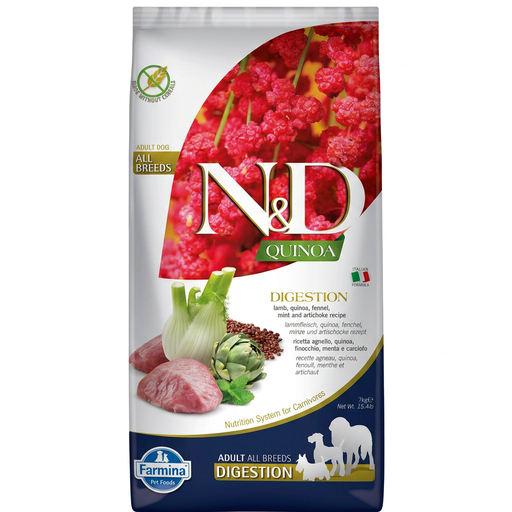
Why we recommend it: Perfect for dogs with fragile digestion. It combines lamb, a highly tolerated protein, with quinoa, a nutritious pseudo-cereal that serves as an excellent replacement for traditional grains.
It replaces grains with high-quality quinoa, not high-glycaemic "fillers." The protein source (lamb) is crystal clear.
According to the manufacturer, over 90% of the protein is from animal sources. The recipe also includes functional ingredients to support the digestive system.
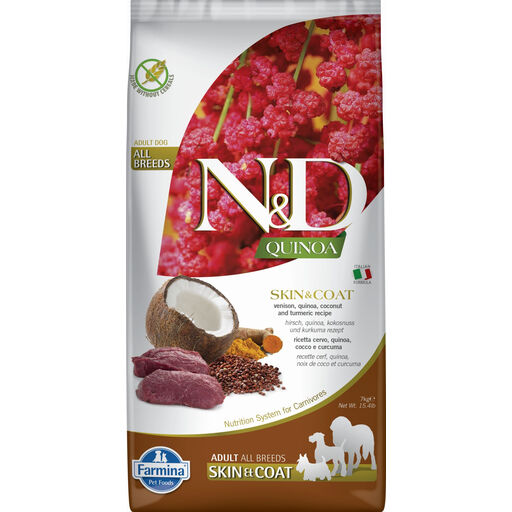
Why we recommend it: Specially designed for skin health and a shiny coat. It includes targeted ingredients like herring oil (rich in omega-3s), turmeric, and coconut.
It doesn't just remove grains; it relies on high-quality venison protein and targeted functional ingredients for a true "skin and coat" effect.
Its formula is a cocktail of omega-3 and omega-6 fatty acids to nourish the skin and coat from within. The quinoa provides essential amino acids.
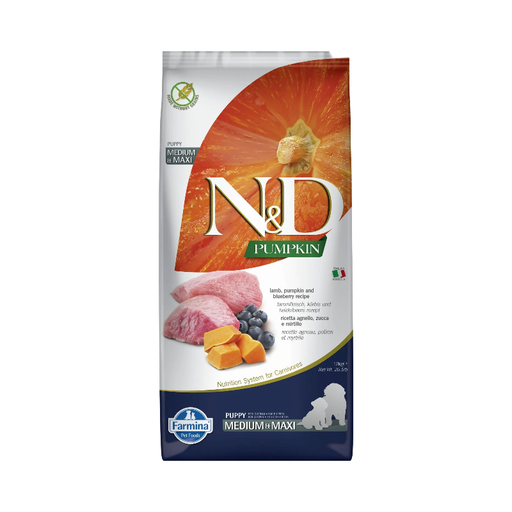
Why we recommend it: Puppies have specific and high nutritional needs. This recipe meets them with high levels of protein (35%) and fat (20%) to support healthy growth, all with pumpkin for gentle digestion.
It provides dense, perfectly calibrated nutrition for puppies, without grains but with quality carbohydrates (pumpkin, peas)—a far cry from unnecessary fillers.
According to the manufacturer, 96% of the protein is from animal sources. The recipe is enriched with glucosamine and chondroitin to support healthy joint development.
To add variety and ensure a balanced diet, feel free to combine kibble with a quality wet dog food. This is an excellent way to increase their water intake. Recipes like MjAMjAM's organic chicken and carrot p?té are an excellent natural, wet option. For rewards, choose a natural dog treat without additives, like MeatyWay's duck and sweet potato strips. It's the perfect choice to praise your dog without compromising their diet.
We have curated a complete, up-to-date selection of products that meet our strict selection criteria and current regulations.
1. How do I successfully transition to a grain-free kibble? To avoid any digestive upset, the transition must be gradual. Over 7 to 10 days, mix a growing portion of the new kibble with a decreasing portion of the old one. Start with 25% of the new recipe, then gradually increase until you reach 100%.
2. Is grain-free kibble suitable for all dogs? While beneficial for many dogs, especially those with digestive sensitivities or grain allergies, it's not a mandatory switch for everyone. Some dogs tolerate high-quality grains (like oats or brown rice) perfectly well. The key is to choose a diet tailored to your pet's specific needs, ideally in consultation with your veterinarian.
3. What's the difference between "grain-free" and "hypoallergenic"? A "grain-free" kibble excludes wheat, corn, etc., but may contain multiple protein sources (chicken, beef, fish). A hypoallergenic dog food goes a step further: it is formulated with a single animal protein source (monoprotein), often one the dog has never eaten before, or with hydrolysed proteins (i.e., "pre-digested" into tiny particles) to avoid triggering an immune system reaction.