
Livraison le jour même ou le lendemain

Qualité garantie

Débloquez vos offres de bienvenue: Livraison GRATUITE | Jusqu'à -80 % | 30 jours d'essai gratuits à JoyPlus
Téléchargez l'application
Giving your dog the best starts with high-quality nutrition. The market for grain-free dog food is booming, promising better digestion and a formula closer to a dog's natural diet. But with an overwhelming number of options, it's hard to know where to start. Behind the slick marketing, you can sometimes find disappointing formulas that don't justify a high price tag.
This guide breaks down the essential criteria to help you choose a grain-free diet that is truly suited to your companion's needs.
The "grain-free" craze has led many brands to reformulate their products, but not all are created equal. Here are the most common pitfalls:
To make the right choice, you need to know how to decode a label. Focus on these three fundamental points.
Dogs are opportunistic carnivores that need high-quality animal protein. When examining the ingredient list, pay close attention to the order and clarity of the ingredients:
In a grain-free diet, carbohydrates come from other sources. Their quality is crucial for energy and digestion.
The percentages of protein, fat, and crude fibre provide an overview of the product's nutritional balance.
Every dog is unique. Here is our selection of kibbles that meet specific needs, all chosen based on the quality criteria we've just detailed.
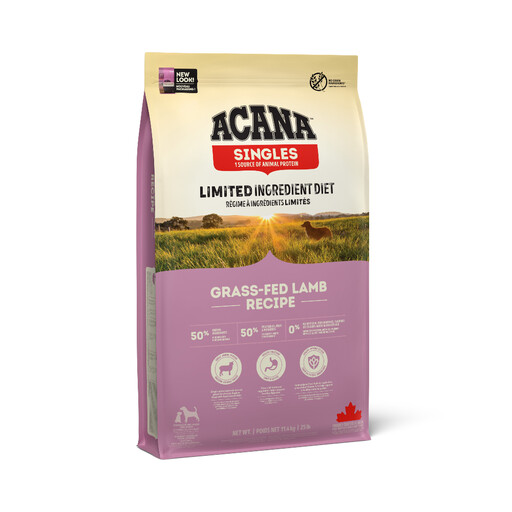
Why we chose it: The perfect solution for dogs with food sensitivities. Its single-protein formula based on lamb, a meat known for being well-tolerated, limits exposure to common allergens (like chicken and beef).
It sidesteps the vague "hypoallergenic" trap by relying on a short, transparent ingredient list focused on a single animal protein source. This makes it much easier to identify potential intolerances.
The Acana Singles formula includes 50% quality lamb, incorporating meat, organs, and cartilage (the renowned WholePrey ratio) for complete and natural nutrition.
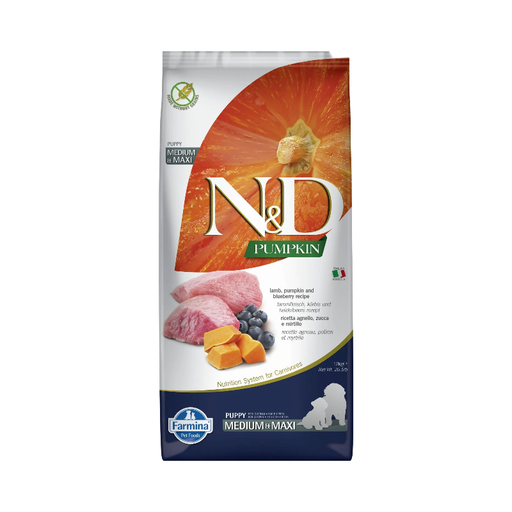
Why we chose it: A formula designed for the nutritional needs of medium and large breed puppies. It provides a high level of protein and key nutrients like DHA, which is essential for brain and vision development.
It skips filler carbs in favour of pumpkin and sweet potato. These low-glycemic-index ingredients support digestion, a crucial point for a grain-free puppy food.
According to Farmina, 96% of the protein is from animal sources, ensuring a high-quality supply. The formula is also enriched with glucosamine and chondroitin to support growing joints.
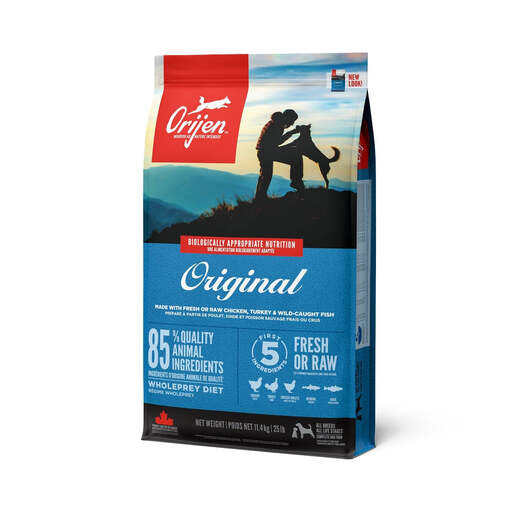
Why we chose it: For owners who want a diet rich in varied animal proteins, inspired by the ancestral diet of wolves. A nutrient-dense option, perfect for active dogs or those who prefer a "biologically appropriate" approach.
It tackles the protein quality issue head-on. Its ingredient list is dominated by fresh or raw meat (chicken, turkey, fish) and implements the WholePrey concept (including organs and cartilage).
A crude protein level of 38% from a wide variety of meats, ensuring a complete amino acid profile and maximum palatability.
We have compiled a comprehensive list of products that meet our strict selection criteria.
Answers to the most common questions dog owners have about grain-free kibble.
To avoid digestive upset, the transition must be gradual. Over a period of 7 to 10 days, mix the new kibble with the old, gradually increasing the proportion of the new food:
Most dogs tolerate a high-quality grain-free diet well. However, every animal is different. For some dogs, particularly those with very high energy needs or certain medical conditions, a diet containing high-quality whole grains may be perfectly appropriate. The absence of grains is not a guarantee of quality in itself; the overall composition of the recipe is what matters most. If in doubt, consulting your veterinarian is essential.
No. A dog can easily be allergic to a protein (like chicken or beef) found in a grain-free recipe. If you suspect an allergy, a hypoallergenic dog food is more likely to be a limited ingredient diet (LID) formula, with a single and preferably novel protein source for your pet (such as lamb, duck, or fish...). The "grain-free" label alone guarantees nothing.