
Livraison le jour même ou le lendemain

Qualité garantie

Débloquez vos offres de bienvenue: Livraison GRATUITE | Jusqu'à -80 % | 30 jours d'essai gratuits à JoyPlus
Téléchargez l'application
"Grain-free" dog food has become a major trend, but navigating the jungle of options can quickly become a challenge. Brands are capitalising on this trend, but not all kibbles are created equal. As a product expert at Joybuy, my role is to help you decode the labels to make an informed choice, far from the marketing hype. Here are the 3 pitfalls you absolutely must avoid.
To sort the good from the bad, let's focus on objective criteria that don't lie. These indicators will allow you to assess the true quality of a bag of kibble, beyond the marketing promises.
Protein is the cornerstone of a canine diet, making its origin a crucial point. Prioritise formulas where the first ingredient is a clearly identified meat source, such as fresh deboned meat or dehydrated meat. While meat meal (e.g., "chicken meal") is a highly concentrated source of protein, fresh meat remains more palatable and undergoes less processing. If you're looking for high-protein dog food, ensure that this protein comes from premium animal sources. Options like lamb dog food can also be an excellent alternative for dogs with chicken sensitivities.
Regulations require that ingredients be listed in descending order by weight. The first 3 to 5 ingredients, therefore, make up the bulk of the product. Beyond protein, look for ingredients that contribute to your pet's overall well-being:
By choosing natural dog food, you'll generally find shorter, more readable ingredient lists and, most importantly, no artificial colours or preservatives.
Because every dog is unique, there's no one-size-fits-all solution. We have therefore selected products suited to different profiles, all chosen for the clarity of their composition and their nutritional value.
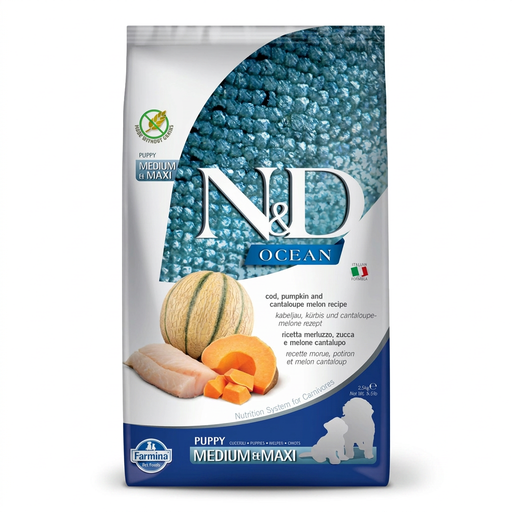
Why we chose it: A formula designed for the specific needs of puppies, rich in fish protein and Omega-3s (DHA) to support brain development and healthy growth. A benchmark for anyone seeking grain-free puppy food.
Its composition is crystal clear (Cod, Dehydrated Cod), avoiding vague terms. Pumpkin and sweet potato provide complex carbohydrates, a far cry from simple, high-glycaemic "fillers."
Rich in marine proteins and DHA/EPA, which are essential for cognitive development and joint health.
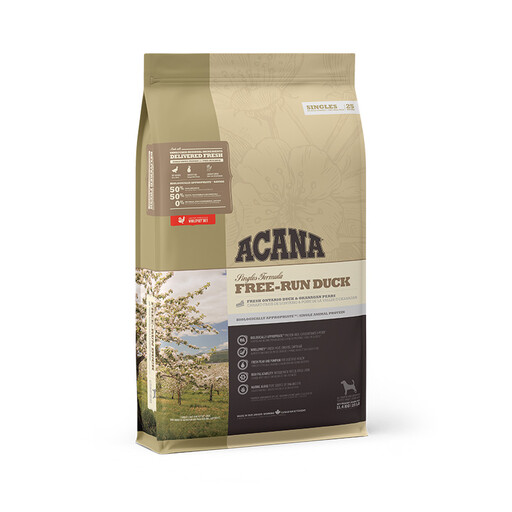
Why we chose it: The solution for sensitive stomachs. By relying on a single source of animal protein (duck), this recipe is similar to a hypoallergenic dog food formula.
The brand is fully transparent, stating "50% duck" and detailing the parts used (meat, liver). The intentionally short ingredient list minimises the risk of intolerance.
A single-protein, limited ingredient diet (LID). The addition of fibre (legumes, pumpkin, squash) is a real bonus for digestive comfort.
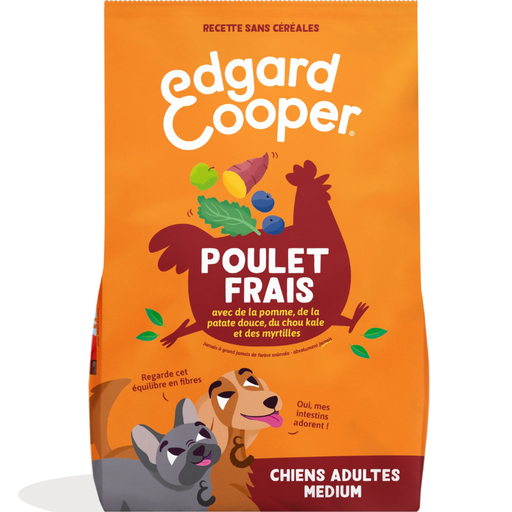
Why we chose it: Here, the focus is on fresh meat (40% fresh chicken), not meals. This is complemented by a blend of fruits, vegetables, and herbs for a decidedly natural approach.
The brand sidesteps the trap of low-quality protein by focusing on a high, clearly stated percentage of fresh chicken. This is a guarantee of quality and digestibility.
The high proportion of fresh meat ensures maximum palatability. The recipe is also enriched with prebiotics (MOS and FOS) to support gut flora.
Explore our full selection of kibble that meets our quality standards and all current regulations.
To avoid any digestive upset, a gradual approach is key. Plan for a transition over 7 to 10 days: mix the new kibble with the old, increasing the proportion of the new food each day until you have completely replaced the old one.
Not necessarily. This approach is most relevant for dogs with a known allergy or sensitivity to grains. A perfectly healthy dog can thrive on a quality diet that includes well-chosen whole grains. Ultimately, it's the overall quality of the recipe that matters most. When in doubt, your veterinarian's advice is always your best guide.
A "grain-free" recipe excludes all grains (wheat, corn, rice, barley, etc.). A "gluten-free" recipe only removes those that contain gluten (wheat, barley, rye), but may still include rice or corn. By definition, a grain-free diet is therefore always gluten-free.