
Livraison le jour même ou le lendemain

Qualité garantie

Débloquez vos offres de bienvenue: Livraison GRATUITE | Jusqu'à -80 % | 30 jours d'essai gratuits à JoyPlus
Téléchargez l'application
You want only the best for your dog, and it all starts with what's in their bowl. The market for grain-free dog food is booming, promising a diet closer to the ancestral canine diet. But how can you navigate the jungle of marketing claims and complex labels? Behind "premium" packaging, some products hide compromises that aren't always ideal for your companion's health.
To avoid falling for the hype and prevent disappointment, here are the most common traps to watch out for:
To make an informed choice, knowing how to read a label is essential. Here are the three key points to scrutinise.
The golden rule is simple: ingredients are listed in descending order by weight. The first 3 to 5 ingredients on the list make up the bulk of the recipe.
This table details the percentages of key nutrients. Don't just focus on the protein level.
For a dog showing signs of food sensitivity (itching, digestive issues), a single-protein kibble is often an excellent option. The principle is simple: it contains only one source of animal protein (e.g., only duck or lamb), which makes it much easier to identify and eliminate a potential allergen.
Rather than an endless list, here is our selection of products tailored to specific profiles to help you find the perfect match for your companion.
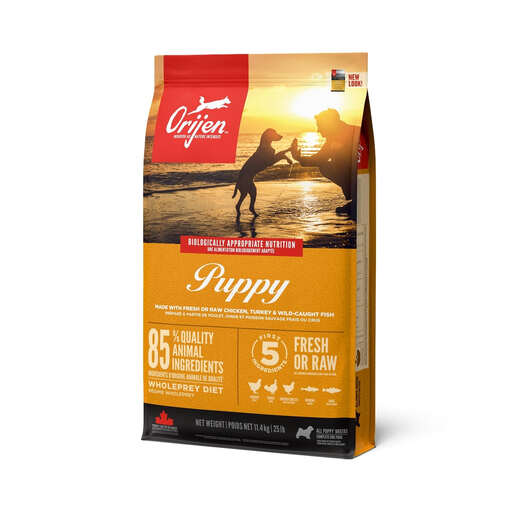
Why It's a Great Match: A growing puppy has heightened energy and nutritional needs. This formula is precisely calibrated to provide a massive intake of essential proteins and nutrients, ensuring healthy muscle and skeletal development.
It avoids the trap of poor-quality proteins. The recipe is clear from the start: 85% premium animal ingredients (free-run chicken and turkey, cage-free eggs, wild-caught fish) for ultra-digestible proteins.
38% protein content to build solid muscle mass. WholePrey ratios (meat, organs, cartilage) mimic a natural diet.
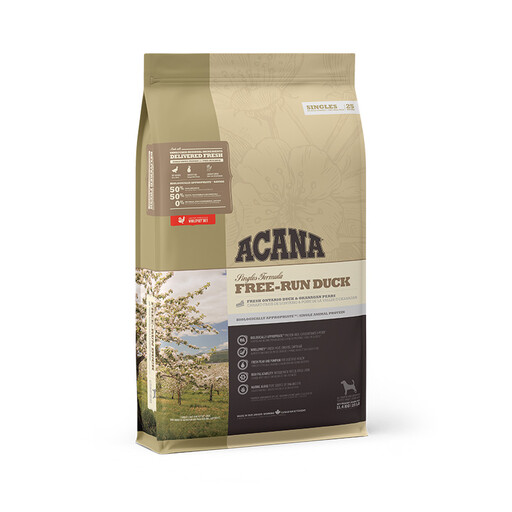
Why It's a Great Match: Perfect for owners who want to isolate the protein source for a dog prone to allergies or intolerances. Duck is known for being a protein that is very well-tolerated by delicate stomachs.
This product counters the myth of the "one-size-fits-all" formula. As a single-protein kibble, it provides a targeted and controlled solution for dogs with specific dietary needs, avoiding a cocktail of different meats.
Single animal protein source (duck) to minimise the risk of reactions. Contains 50% duck, balanced with vegetables and fruits (pumpkin, pears) that aid digestion.
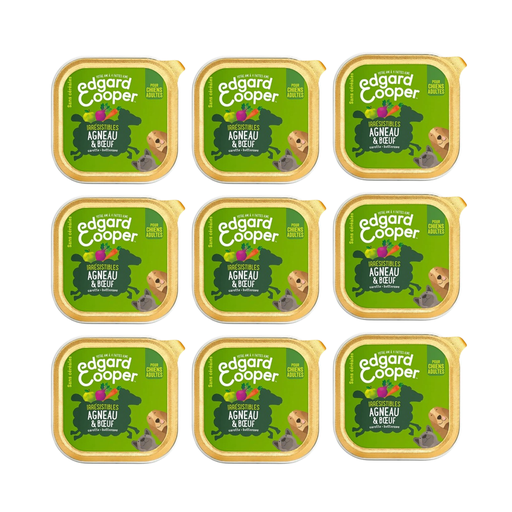
Why It's a Great Match: For picky eaters or simply to add variety, wet food is a prime choice. This moist and tasty formula can be served alone or mixed with kibble to boost the meal's hydration and palatability. Reviews for Edgard Cooper also confirm how delicious their recipes are.
This grain-free p?té avoids the trap of unnecessary fillers. The recipe is clean and simple: fresh meat at the top of the list (lamb 30%, beef 26%), supplemented with fruits and vegetables. That's it.
High moisture content (82%), a real plus for hydration. The recipe is slow-cooked to preserve nutrients and flavour, with no added sugars or artificial additives.
We've compiled a complete and up-to-date selection of products that meet our demanding selection criteria and current regulations.
Any dietary transition should be gradual to avoid upsetting your dog's digestive system. The secret? Over 7 to 10 days, gradually mix an increasing amount of the new kibble with the old, until the replacement is complete. Keep a close eye on their stools and general behaviour during this phase.
Not necessarily. While "grain-free" can be a real relief for dogs with a proven sensitivity to gluten or certain grains, it's not a universal miracle solution. Many dogs perfectly digest quality grains in reasonable amounts. The most important thing is to choose a formula with a balanced overall composition, tailored to your pet's needs. When in doubt, your veterinarian's advice remains your best resource.
Be careful, the two are not synonymous. A kibble can be grain-free but have a modest protein level if it relies heavily on legumes or tubers. Conversely, a kibble can contain grains (like oats) while being very rich in quality protein. To sum up: a high-protein dog food prioritises a high percentage of meat or fish, whereas a "grain-free" kibble simply guarantees the absence of wheat, corn, etc.