
Livraison le jour même ou le lendemain

Qualité garantie

Débloquez vos offres de bienvenue: Livraison GRATUITE | Jusqu'à -80 % | 30 jours d'essai gratuits à JoyPlus
Téléchargez l'application
Giving your four-legged friend the very best is a given for any owner. The grain-free dog food market is booming, with its promises of easy digestion and robust health. However, navigating the jungle of options can be a real headache. Many brands misuse marketing claims to mask a quality that often leaves much to be desired.
This guide gives you all the keys to making the right choice for your pet's well-being. We'll break down the most common traps and teach you how to read a label like a pro.
The "grain-free" label has become a major selling point, but it doesn't always guarantee superior quality. Here are the most common pitfalls:
To avoid falling into these traps, focus on a few key criteria. They are your best compass for judging the real quality of a natural dog food.
This is THE number one criterion. Remember that dogs are opportunistic carnivores: they need high-quality animal proteins.
The "analytical constituents" provide a snapshot of the nutritional balance. Here are the figures to watch:
A natural dog food worthy of the name is also defined by what it does NOT contain. Steer clear of recipes that include:
Every dog is unique. Their needs vary according to age, size, and activity level. We have selected a few products that stand out for their transparent composition and their suitability for specific profiles.
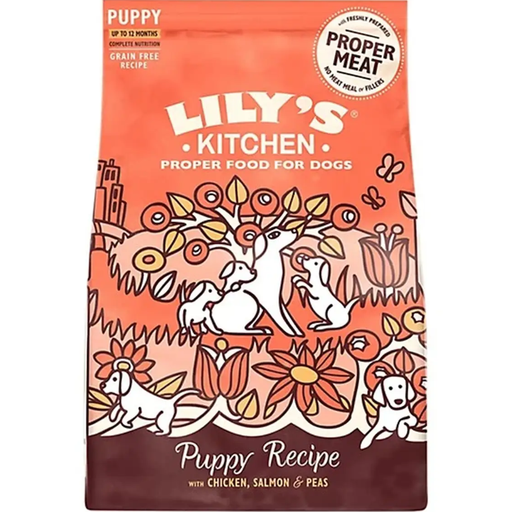
Why we chose it: This **puppy food** formula is designed for an optimal start in life. Complete and grain-free, it is highly digestible for the sensitive stomachs of young dogs, while supporting joint and immune system development.
The ingredient list is crystal clear: 44% chicken and salmon (including 27% fresh chicken) at the top of the list. No ingredient splitting or low-value fillers.
The presence of a joint support complex (glucosamine and chondroitin) and prebiotics for digestion. These are crucial assets for a growing puppy.
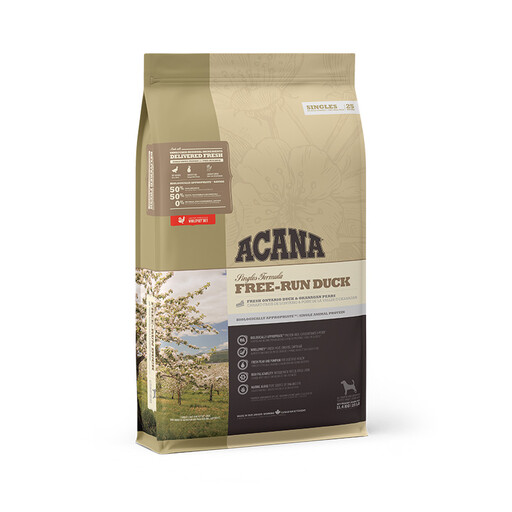
Why we chose it: Perfect for dogs with food sensitivities or for owners who demand total control over ingredients. Its single-protein formula minimises the risk of allergen exposure.
The recipe is based on a single animal protein source (duck), which eliminates any risk of mixing meats of uneven quality. The composition is absolutely clear: 50% duck, 50% fruits and vegetables.
This **hypoallergenic dog kibble** is guaranteed free from grains, soy, corn, or wheat. The addition of fibre from legumes and pumpkin promotes gentle digestion.
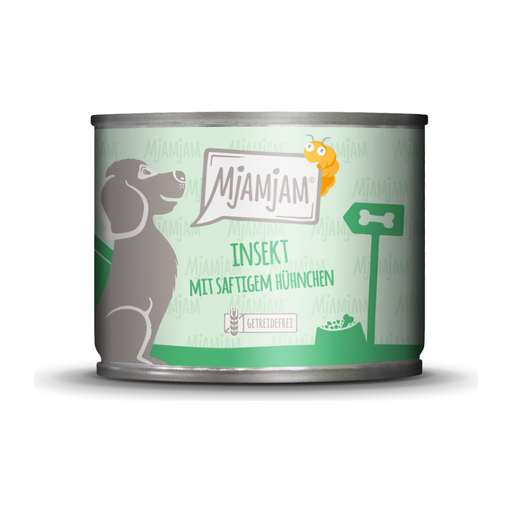
Why we chose it: This **wet dog food** is a flavourful alternative (or complement) to kibble. Rich in water, it helps keep the animal well-hydrated. Its smooth texture often appeals to the pickiest eaters.
The recipe is ultra-simple and dominated by meat (68.5% chicken and insects), with no added grains, gluten, lactose, sugar, or preservatives. The ingredient list is short and clear.
A very high meat content and the use of insect protein, a source that is both sustainable and hypoallergenic. Bonus: can be served chilled in the summer for a refreshing meal.
Explore our complete, up-to-date selection of products that meet our strict quality criteria and current regulations.
To avoid digestive upset, the transition should be gradual. Over 7 to 10 days, mix the new food with the old, gradually increasing the dose. Start with a ratio of 25% new to 75% old, then increase the proportion every two or three days until you switch to 100% of the new food.
Not necessarily. The "grain-free" label is not an absolute guarantee of quality. A recipe can be grain-free but packed with potato starch and low in good animal proteins: this is not a good trade-off. On the other hand, for a dog with a known sensitivity or allergy, it is a path worth exploring seriously. The most important thing is to choose a clear composition with a quality animal protein as the number one ingredient.
Dog kibble has the advantage of being convenient to store and portion. Its crunchy texture encourages chewing, which is a plus for oral hygiene. Wet dog food, on the other hand, is very high in water (around 80%), which is excellent for hydration. Often more palatable, it is ideal for picky or older dogs. The solution? Mixed feeding, which combines the advantages of both.