
Livraison le jour même ou le lendemain

Qualité garantie

Débloquez vos offres de bienvenue: Livraison GRATUITE | Jusqu'à -80 % | 30 jours d'essai gratuits à JoyPlus
Téléchargez l'application
Providing the best for your four-legged friend starts with quality nutrition. The grain-free dog food aisle is overflowing with promises, but how do you navigate this jungle of options? Between marketing claims and long ingredient lists, making the right choice can quickly become a headache.
This guide is designed to shed light on the key points to check before you buy, based on facts, not hype. We'll break down the common pitfalls and objective criteria that will help you choose a diet truly suited to your pet's well-being.
The pet food market is saturated with confusing marketing claims. Here are three common mistakes that many well-intentioned owners make without realizing it.
To make the right choice, focus on these three objective criteria. They don't lie.
The dog is an opportunistic carnivore: it makes the best use of animal proteins.
A short, readable ingredient list is often an excellent sign of trustworthiness.
Each format has its role. It's crucial to distinguish between them to ensure a balanced diet.
Rather than an endless list, here are a few products that fit specific profiles, perfectly aligning with the criteria we've just defined.
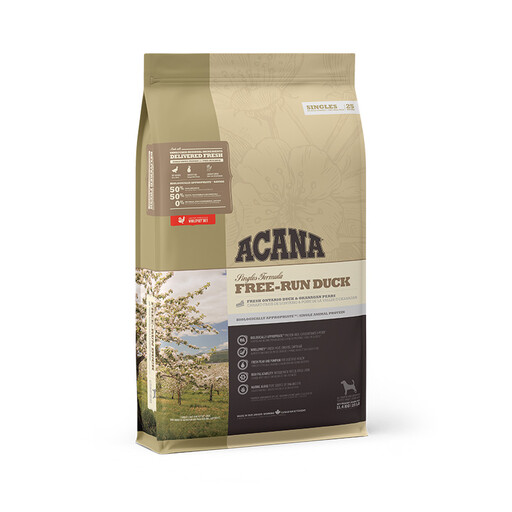
Why this product stands out: this recipe is built around a single source of animal protein (duck). This is the ideal approach for dogs prone to intolerances or allergies, as it greatly simplifies identifying a potential allergen.
The composition is crystal clear: 50% duck, supplemented with lentils, peas, and pumpkin, not with nutritionally worthless "fillers." The 31% protein level comes from perfectly identified sources.
Single-protein formula ideal for elimination diets. Rich in omega-3 and omega-6 fatty acids for healthy skin and a shiny coat.
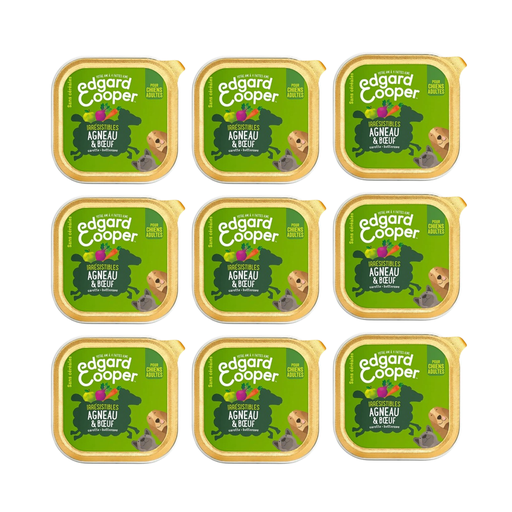
Why this product stands out: perfect for owners who practice mixed feeding (a combination of kibble and wet food). This p?té provides hydration and palatability, stimulating the appetite of even the pickiest eaters, all within a grain-free framework.
It's a complete food, meaning it can be served alone or as a topper without risking nutritional imbalance. The composition is clear: 30% lamb and 26% beef, with real pieces of vegetables and fruit.
High water content (82%) for optimal hydration. The gentle cooking process preserves the nutrients and taste of the fresh ingredients.
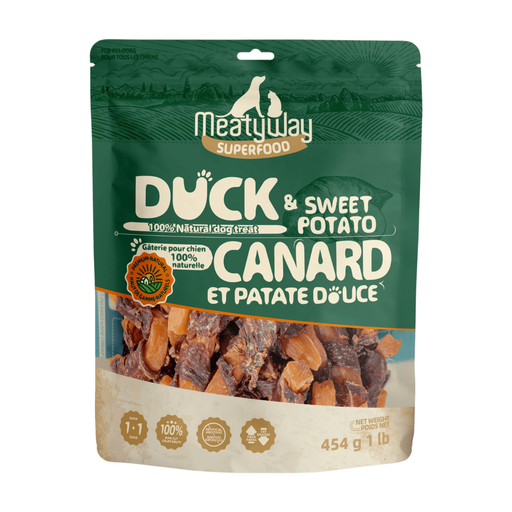
Why this product stands out: ideal for training sessions or just as a special treat, without compromising a grain-free diet. Healthy treats to reward your dog guilt-free.
The composition is beautifully simple: duck and sweet potato. That's it. No additives, preservatives, or hidden grains. The product is clearly identified as a complementary food.
High in protein (20% minimum) and low in fat. Sweet potato provides natural fibre, which is excellent for digestion.
Explore our complete, up-to-date selection of products that meet our strict selection criteria and current regulations.
To avoid digestive upset, any dietary transition must be gradual. Over 7 to 10 days, mix the new kibble with the old, gradually increasing the proportion of the new food.
Quality grain-free foods often have a higher price per kilo. The reason is simple: they contain more meat, a raw material that is much more expensive than grains. In return, these foods are more nutritionally dense, which means daily portions can be smaller. It's an investment in your pet's well-being that can help keep them in top shape for the long term.
Not all dogs have an absolute need to switch to a grain-free diet. This approach is primarily recommended for those with a known sensitivity or allergy to grains (often visible through skin or digestive issues). For others, it's a choice aimed at moving closer to a more ancestral, animal protein-rich diet. If you have any doubts about your companion's health, a veterinarian's advice is essential to determine their specific needs.