
Livraison le jour même ou le lendemain

Qualité garantie

Débloquez vos offres de bienvenue: Livraison GRATUITE | Jusqu'à -80 % | 30 jours d'essai gratuits à JoyPlus
Téléchargez l'application
Providing high-quality nutrition for your companion is a top priority for every dog owner. The market for grain-free dog food is booming, with an appealing promise: better digestion and renewed vitality. Yet, deciphering labels and navigating marketing claims can often be a real headache. Behind the "grain-free" label, some products are far from delivering on their promises. Follow our guide to make an informed choice and avoid any nasty surprises.
The initial intention is commendable: to eliminate grains, which are often poorly digested by some dogs. Unfortunately, the alternatives are not always up to par.
To avoid making a mistake, focus on a few key indicators. These never lie about a product's true quality.
A quality composition is, above all, precise. As a reminder, ingredients are always listed in descending order of weight (before cooking).
The choice between grain-free kibble for dogs and grain-free wet dog food depends primarily on your pet's needs and preferences.
To help you see more clearly, we have selected a few products that meet our strict criteria and are suited to specific types of dogs (and owners).
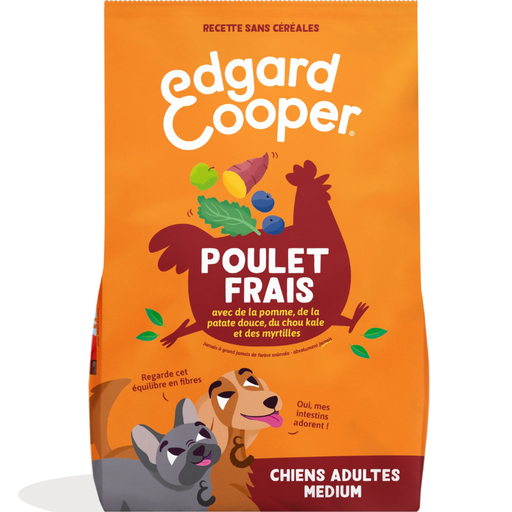
Why we recommend it: Perfect for those who scrutinise labels in search of a healthy, transparent diet with simple ingredients and an impeccable nutritional profile.
The recipe features 40% fresh chicken at the top of the list, with no meat meal. It avoids the trap of low-quality substitutes by relying on potatoes and peas as sources of complex carbohydrates, all supplemented with fruits and vegetables.
Its high fresh meat content and the addition of prebiotics (MOS & FOS) to support the gut microbiome. The composition is crystal clear and guaranteed free of artificial additives.
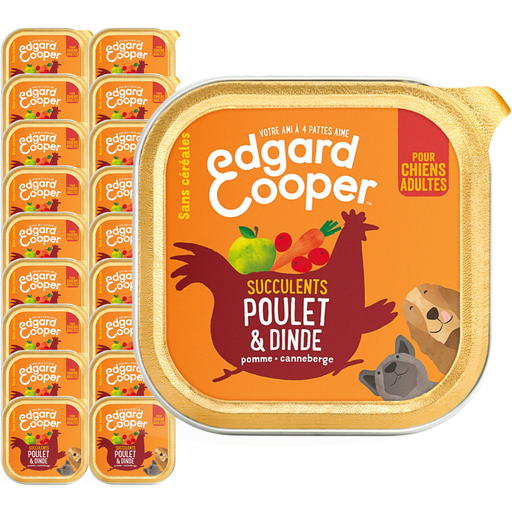
Why we recommend it: Ideal for dogs with fragile stomachs or small appetites. Its moist texture and clean recipe are more digestible and often a favourite among picky eaters.
With 56% fresh chicken and turkey, this p?té puts protein front and centre. Its high moisture content (82%) and the absence of grains or unnecessary "fillers" make it a very gentle option for the digestive system.
Its very high fresh meat and moisture content, which contributes to good hydration. The recipe is simple and effective, with just the right amount of vegetables and fruits for vitamins.
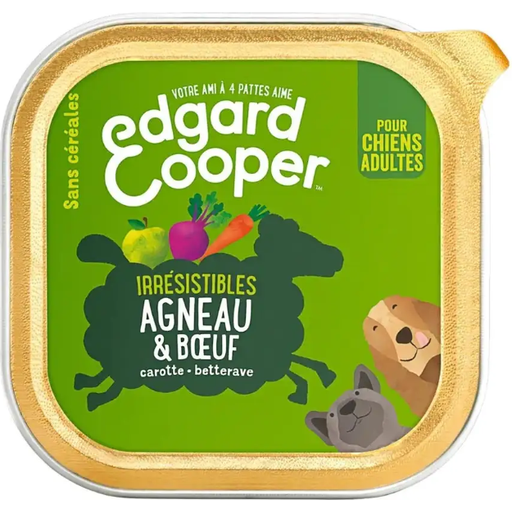
Why we recommend it: For owners who like to alternate flavours in the food bowl, or for dogs that have trouble digesting poultry. This red meat-based recipe is a tasty alternative.
The composition is crystal clear: 30% lamb and 26% beef. This proves that a grain-free diet can be rich and varied by focusing on the essentials: quality meats, not filler ingredients.
The combination of lamb and beef proteins, perfect for dietary rotation and sensitive dogs. The recipe includes a well-thought-out mix of vegetables and fruits for a complete nutritional profile.
We have put together a complete selection of products that meet our quality criteria and current regulations.
A gradual transition is key to avoid upsetting your dog's digestive system. It's best to spread it over 7 to 10 days: mix the new food with the old, gradually increasing the dose. Start with a 25/75 ratio (new/old), move to 50/50 a few days later, then 75/25, until you reach 100% of the new food.
For many dogs, especially those with digestive sensitivities or grain allergies, it is very beneficial. However, it is not an absolute necessity for all. Its often higher protein and fat content may not be suitable for older, sedentary dogs or those with specific health conditions (e.g., kidney problems). The best advice is to observe your pet and, if in doubt, consult your veterinarian.
Generally, yes, because quality ingredients like meat cost more than filler grains. However, the nutritional density of these foods is often higher, meaning you feed smaller portions, which can offset some of the extra cost. Think of it as a long-term investment in your companion's health and well-being.