
Livraison le jour même ou le lendemain

Qualité garantie

Débloquez vos offres de bienvenue: Livraison GRATUITE | Jusqu'à -80 % | 30 jours d'essai gratuits à JoyPlus
Téléchargez l'application
The "grain-free" trend for our dogs is more popular than ever, and pet store shelves are overflowing with options. Navigating this jungle of choices can be difficult. Many owners, in their desire to provide the best for their companions, fall for the most common marketing traps. To help you make the right choice and invest wisely in your pet's health, let's break down the mistakes to avoid.
Here are the two most common mistakes?:
To navigate the jungle of natural dog food, you just need to focus on a few key indicators that truly make a difference.
The golden rule is simple?: ingredients are always listed in descending order by weight. The first 3 to 5 ingredients on the list therefore form the core of the recipe.
The nutritional profile must be adapted to your pet's age, breed, and activity level.
Because every dog is unique, we have selected products suited to different profiles, based on the objective criteria we've just discussed.
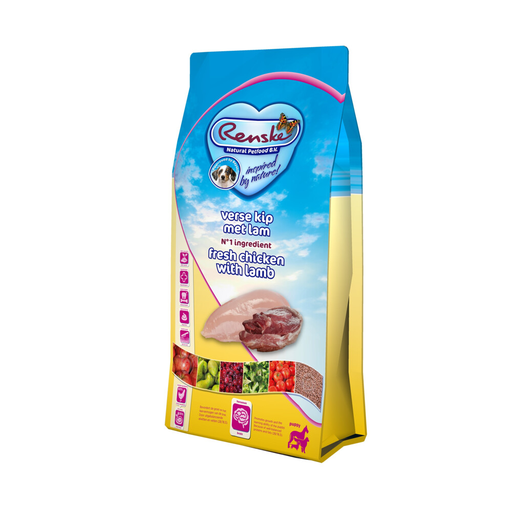
Why it's a great choice : Specially designed for puppies, this formula lists fresh chicken first. It boasts a protein (28%) and fat (19%) content perfectly suited for healthy growth, unlike a generic "adult" recipe.
It avoids the trap of unclear protein sources by relying on fresh chicken (26%) and dehydrated lamb as its main ingredients, ensuring excellent digestibility.
The presence of krill and flaxseed, rich in omega-3s, supports brain development and skin health. Gluten-free formula.
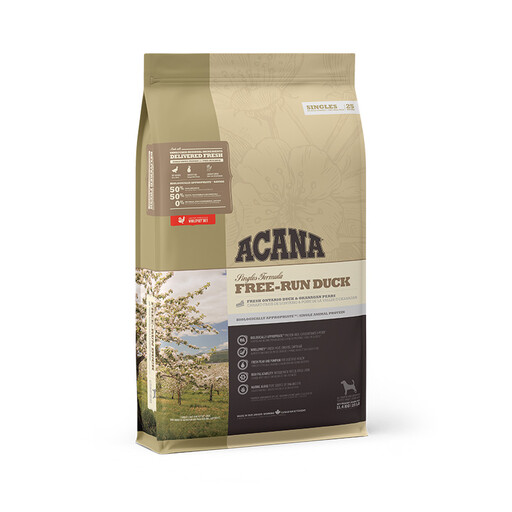
Why it's a great choice : Perfect for a sensitive dog, this recipe is based on a single source of animal protein : duck. This makes the formula easier to digest and helps isolate the cause of any potential intolerance.
It bypasses the "hidden carbs" trap by replacing grains and potatoes with legumes (lentils, peas) and pumpkin, which are ingredients with a lower glycemic index.
WholePrey approach: 50% duck (meat, liver, cartilage) for a nutrient profile that mimics a natural prey diet. Guaranteed free of GMOs, soy, corn, or wheat.
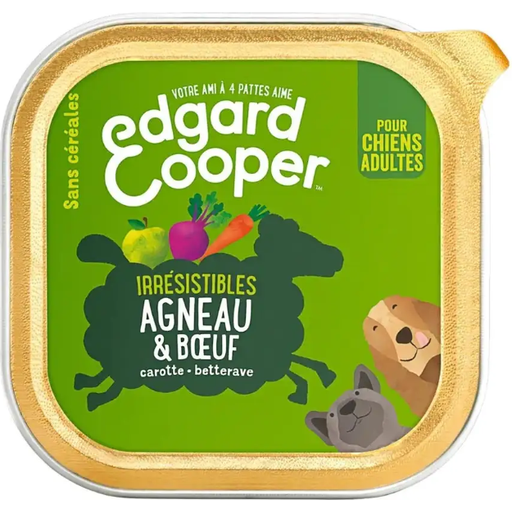
Why it's a great choice : For fans of wet dog food, this recipe stands out for its simple and transparent composition. Rich in meat (30% lamb, 26% beef), it's supplemented with vegetables and fruits, without any unnecessary fillers.
Its short, clear ingredient list emphasizes the quality of the proteins. The absence of grains and added sugars makes it a healthy and highly digestible option.
Its high moisture content (82%) helps keep the dog well-hydrated. The gentle cooking process preserves maximum nutrients and flavour.
Explore our full selection of products that meet these quality standards and current regulations.
To avoid digestive upset, the transition should be gradual. Over 7 to 10 days, mix the new kibble with the old, gradually increasing the proportion of the new food. Start with a 25% (new) / 75% (old) ratio, then slowly increase until you reach 100%.
The price primarily depends on the quality of the ingredients, not just the absence of grains. A quality high-protein dog food, whether grain-free or not, will logically be more expensive than a budget formula. However, better digestibility often means smaller portions, which can balance out the cost in the long run.
While many dogs thrive on a grain-free diet, it is not a miracle solution or a necessity for all. True grain allergies are quite rare in dogs; intolerances to proteins (like beef or chicken) are much more common. The choice therefore depends on your pet's specific needs. If in doubt, and especially if your dog has health problems, consulting your veterinarian is essential.