
Livraison le jour même ou le lendemain

Qualité garantie

Débloquez vos offres de bienvenue: Livraison GRATUITE | Jusqu'à -80 % | 30 jours d'essai gratuits à JoyPlus
Téléchargez l'application
Providing your dog with the right nutrition is a top priority for any health-conscious owner. Faced with overwhelming store shelves, choosing the right grain-free dog food can be a daunting task. Between marketing promises and complex labels, it's easy to get lost. As the Product Editor at Joybuy, my mission is to help you decode labels and make the best choice for your companion.
Before we get to our top picks, let's break down the common pitfalls to avoid and the criteria that truly matter.
The pet food market is saturated with promises, but not all of them hold up. Here are three critical points to watch for before you check out.
To avoid these traps, focus on a few key indicators that don't lie.
The law is clear: ingredients must be listed in descending order by pre-cooking weight. The first 3 to 5 ingredients make up the bulk of the recipe.
This is a fundamental balance. A moderately active adult dog will thrive on a ratio of about 25-30% protein and 12-18% fat. Puppies, highly active dogs, or pregnant females will have higher needs. Conversely, a diet that is too rich can lead to weight gain in a sedentary dog.
Brands like Acana and Orijen are often cited as examples for their philosophy focused on regional ingredients and "biologically appropriate" formulas. They provide precise details on the origin and proportion of each ingredient, which is a true sign of trustworthiness.
Every dog is unique. Here are a few standout products tailored to specific needs to help you find the perfect formula for your companion.
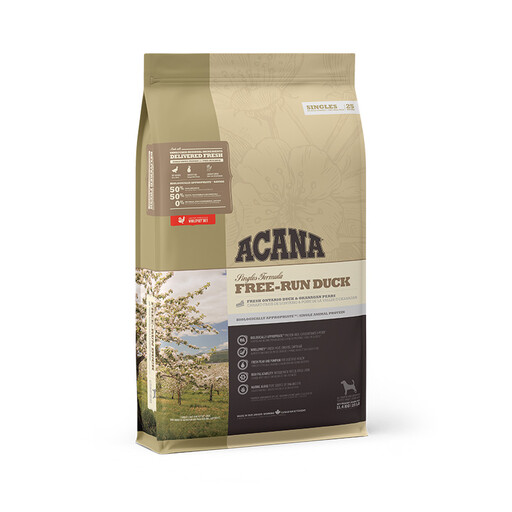
Why we chose it: Perfect for dogs prone to food sensitivities. Its formula is based on a single animal protein source (duck), which minimises the risk of allergies and makes it easier to identify any potential intolerance.
The ingredient list is crystal clear: 50% duck. Grains are replaced with lentils and pumpkin, which are gentle fibre sources that promote healthy digestion.
Its single-protein formula is the key advantage for food for sensitive dogs. It contains omega-3 and omega-6 fatty acids for a healthy, shiny coat.
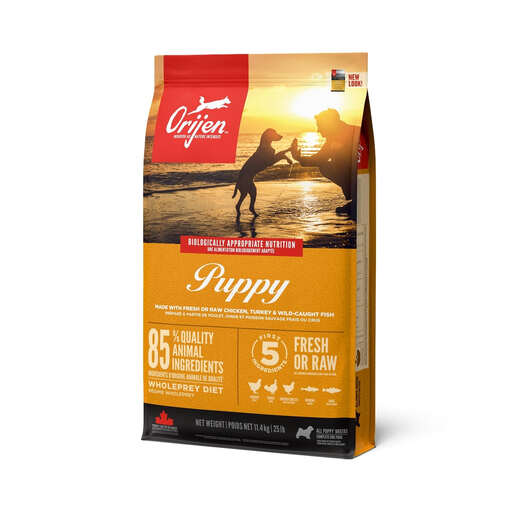
Why we chose it: Puppies have heightened nutritional needs to support their development. This puppy food formula is ultra-rich in protein (38%) and features 85% premium animal ingredients to support healthy growth.
The massive protein content comes from a wide variety of meats (chicken, turkey, fish), not from filler plant proteins. The WholePrey concept includes meat, organs, and cartilage to mimic a natural diet and reduce the need for synthetic supplements.
A high-protein dog food packed with premium animal sources, designed for the muscle and bone development of puppies. Its freeze-dried coating makes it irresistible.
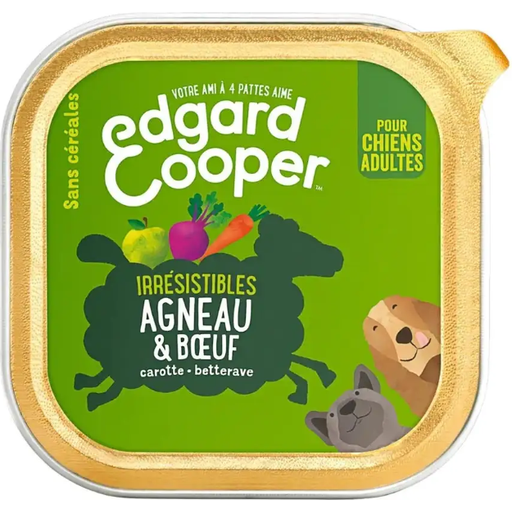
Why we chose it:Grain-free wet dog food is perfect for adding variety, boosting hydration, or for older dogs with chewing difficulties. Note that this recipe is a complete meal, not just a topper.
The ingredient list is as short as it is clear: 30% lamb and 26% beef lead the way. No added sugar, artificial colours, or preservatives. Just quality meat and vegetables.
Maximum palatability and a high moisture content (82%) that contributes to your dog's hydration. Perfect as a complement to kibble (*mixed feeding*) or as a standalone meal.
We've curated a complete selection of products that meet our strict selection criteria and current safety standards.
To avoid any digestive upset, the transition should be gradual. Over 7 to 10 days, mix the new kibble with the old, progressively increasing the proportion of the new food. Start with a 25/75 ratio (new/old), then move to 50/50 a few days later, and so on until you reach 100%.
For most dogs, a high-quality grain-free diet is highly beneficial. It is particularly recommended for those with allergies or digestive sensitivities to grains. However, every dog is different. In case of a medical condition (kidney problems, pancreatitis, etc.), consulting your veterinarian is essential.
These two Canadian brands, from the same parent company, share a common philosophy. Their main difference lies in the concentration of animal-based ingredients. Orijen sets the bar very high (around 85% animal ingredients), making it an ultra-protein-rich food. Acana offers slightly more moderate formulas (between 50% and 75%), which will suit a wider range of dogs, especially those with standard activity levels.