
Livraison le jour même ou le lendemain

Qualité garantie

Débloquez vos offres de bienvenue: Livraison GRATUITE | Jusqu'à -80 % | 30 jours d'essai gratuits à JoyPlus
Téléchargez l'application
As a pet owner, providing the best possible nutrition for your dog is a top priority. The grain-free trend has taken over store shelves, often presented as a cure-all. Yet, navigating this marketing jungle can feel like an uphill battle. The claims made by brands are often vague and can be misleading.
Our mission is to help you see things more clearly. Let's break down the common traps to avoid and the essential criteria for making an informed choice, free from the advertising hype.
The intention is commendable: to get closer to our companions' natural, carnivorous diet. Unfortunately, some "grain-free" recipes hide flaws that undermine this very goal.
To avoid these traps, there's only one method: learn to decode the label. A few key indicators are all you need to form an objective opinion on a product's quality.
The first ingredient must be a clearly identified animal protein source. Scrutinise the first 3 to 5 ingredients on the list: they make up the bulk of the recipe.
This table, often relegated to small print on the back of the bag, is a goldmine of information. Here are the points to watch for:
With these benchmarks in mind, you're now equipped to objectively evaluate a natural dog food and choose the formula that will truly meet your dog's needs.
Because every dog is unique, we've selected products that meet specific needs, all vetted against our strict quality criteria.
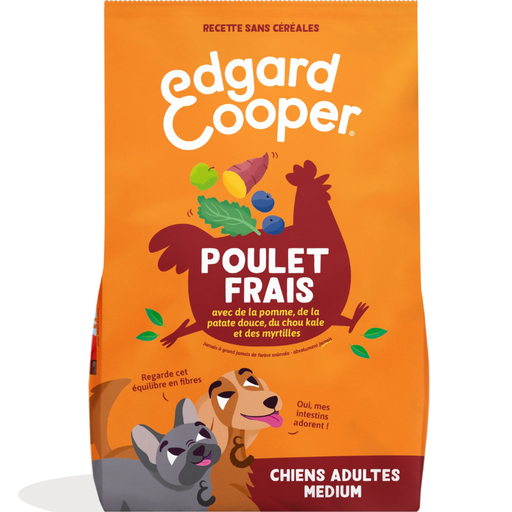
Why it stands out: Ideal for dogs with sensitive digestion. Its recipe is simple and effective: fresh chicken as the main ingredient, and prebiotics to support healthy gut flora.
This recipe features 40% fresh chicken at the top of the list, guaranteeing high-quality protein, a far cry from filler meals. The carbohydrates, from potato and peas, are used in controlled amounts.
Contains prebiotics (MOS & FOS) for digestive health. Rich in omega-3 and 6 for a shiny coat.
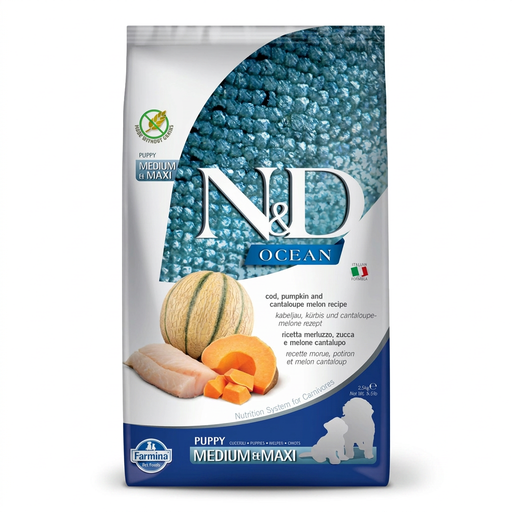
Why it stands out: Growth is a critical stage. This puppy food is specially formulated for healthy development, with targeted nutrients like DHA (essential for the brain) and a perfectly balanced calcium-to-phosphorus ratio.
Total transparency on the ingredients: fresh cod and dehydrated cod are the top ingredients. Pumpkin, rich in fibre, replaces grains for gentle digestion, avoiding the trap of unnecessary carbs.
High in omega-3s (DHA & EPA) for cognitive development. Excellent quality fish protein.
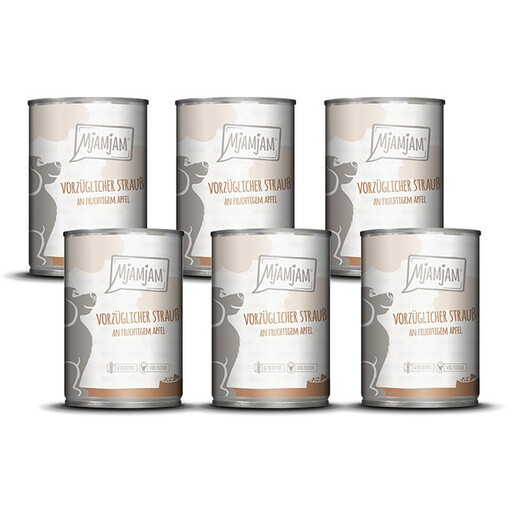
Why it stands out: Perfect for mixed feeding or for dogs that are picky drinkers. This wet dog food is a great boost for hydration and palatability, with a novel protein to switch up the routine.
The ingredient list is deceptively simple: 67% ostrich meat and offal, broth, apple, and minerals. That's it. No room for fillers or questionable additives.
Very high meat content (67%). Single-protein formula (ostrich), ideal for identifying and managing food sensitivities.
Remember that natural dog treats can complement this diet, as long as they are given in moderation.
We have analysed and compiled a complete selection of products that meet our strict selection criteria and current regulations.
Any dietary transition should be gradual to avoid upsetting your pet's digestive system. The secret? Mix the old and new food over 7 to 10 days, gradually increasing the proportion of the new recipe each day.
Not necessarily. While some dogs thrive on this diet (especially those with a known sensitivity), others tolerate high-quality grains like rice or oats perfectly well. The most important thing is the overall quality of the ingredients and the balance of the recipe. If in doubt, or if your dog has health issues, your veterinarian's advice is essential and overrides everything else.
The two concepts are often confused.