
Livraison le jour même ou le lendemain

Qualité garantie

Débloquez vos offres de bienvenue: Livraison GRATUITE | Jusqu'à -80 % | 30 jours d'essai gratuits à JoyPlus
Téléchargez l'application
You want the best for your cat, and that starts with their food bowl. But once you're in the pet food aisle, it's a jungle out there. The range of grain-free chicken cat p?té is overwhelming, and making a choice can be a real headache. Between marketing jargon and endless ingredient lists, it's hard to know where to start. This guide is here to help you decipher labels and choose high-quality wet food, while avoiding the most common pitfalls.
Pet food marketing is an art of confusion. Here are three common pitfalls that could lead to buyer's remorse.
To get a clearer picture, focus on a few objective indicators. They will help you assess the true quality of a chicken wet cat food.
A quality composition is, above all, a readable one. Opt for short, understandable lists. The first ingredients must be clearly identified animal protein sources: chicken muscle, heart, liver, gizzard. A natural cat p?té worthy of the name will even detail the percentages of each part. A single-protein cat food formula is also an avenue to explore if you suspect a food intolerance.
This table, mandatory on all packaging, is a goldmine of information. For a p?té, three values are worth watching closely:
A good recipe doesn't need gimmicks. Make sure the formula is free of:
An organic cat p?té or natural formula will rely entirely on the quality of its raw ingredients to tempt your feline's taste buds.
Because every cat (and owner) is unique, here is our selection organised by profile to help you find that perfect match.
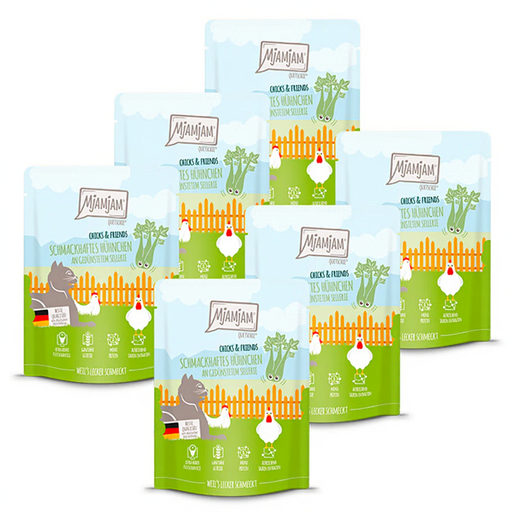
The concept: A recipe that gets straight to the point. Ideal for owners who want a clear, no-frills composition and need to easily identify the protein source, especially in cases of digestive sensitivity.
The composition is crystal clear: 70% chicken (meat, liver, heart, stomach) is plainly stated. No vague "by-products" or added sugars.
Its single-protein formula is a real plus for cats with sensitive digestion or for setting up an elimination diet.
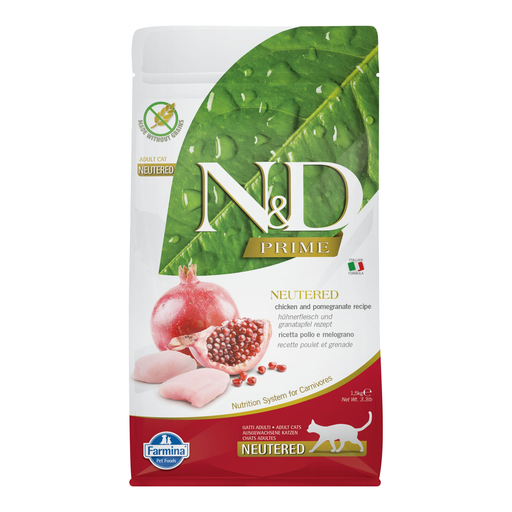
The concept: Yes, this is kibble, but its relevance for neutered cats is undeniable. Neutering alters metabolism and increases the risk of weight gain, which requires closer attention to diet.
This formula is specifically calibrated for the needs of neutered cats, with an adjusted protein-to-fat ratio to help maintain a healthy weight.
The Farmina neutered cat formula is designed to cover post-neutering nutritional needs, with 98% of protein from animal origin claimed by the brand.
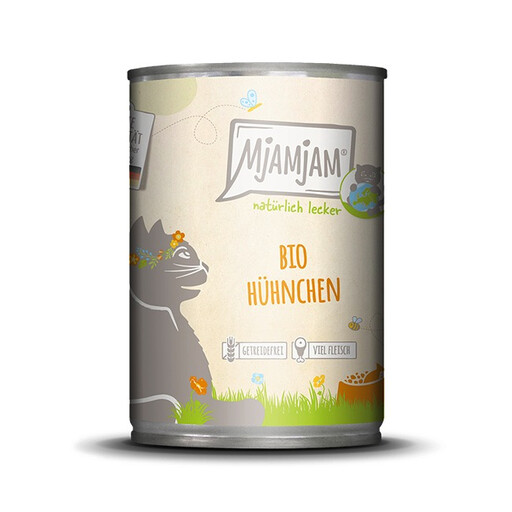
The concept: For owners who won't compromise on the origin of ingredients, this certified organic option offers true peace of mind. It guarantees raw materials sourced from organic farming.
The organic label guarantees the absence of synthetic pesticides and chemical fertilisers. The composition remains simple and focused on organic chicken meat (71.6%).
An organic cat p?té formula that combines high meat content with organic certification, for a bowl that is as healthy as it is responsible.
We have compiled a complete selection of products that meet our selection criteria and current regulations.
To avoid any digestive upset, the key is a gradual transition. Over 7 to 10 days, mix a small amount of the new p?té with the old one, gradually increasing the proportion until the food is completely replaced.
No, a single-protein formula is not a requirement if your cat shows no signs of allergies or intolerances. However, it is an excellent diagnostic tool if you suspect a sensitivity, to be used in consultation with your veterinarian. For other cats, multi-protein recipes offer a greater variety of nutrients and flavours.
Once opened, wet food should be stored in the refrigerator in an airtight container. It should ideally be consumed within 24 to 48 hours. Remember to take it out of the fridge a little before mealtime to let it reach room temperature; your cat will find it much more palatable.